Tired of constantly battling dust in your home? You’re not alone. Dust is a persistent intruder, settling on surfaces, floating in the air, and often contributing to a host of indoor air quality issues. But what if there was a powerful ally in this ongoing fight? Enter the HEPA air purifier – a true game-changer in achieving a dust-free and healthier indoor environment. At Rlmex.com, with over a decade in the field, we’re here to demystify these essential devices and show you how a Hepa Air Purifier For Dust can transform your living space.
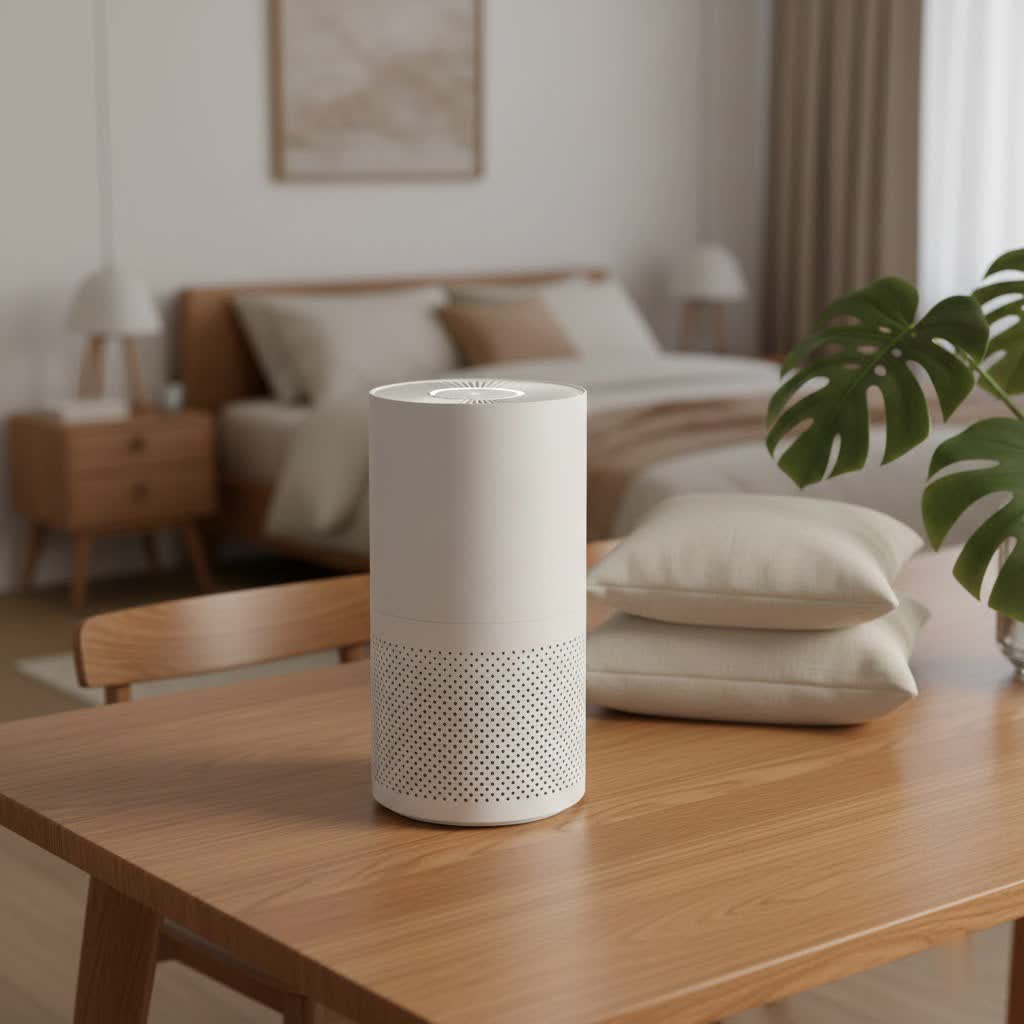
What is a HEPA Air Purifier and How Does It Tackle Dust?
A HEPA (High-Efficiency Particulate Air) filter is widely recognized as the gold standard for removing airborne particles. But how exactly does this technology work to capture that omnipresent household dust?
A true HEPA filter is a mechanical air filter designed to capture at least 99.97% of particles that are 0.3 microns in diameter. This specific size, known as the Most Penetrating Particle Size (MPPS), is actually the most challenging for filters to catch. Remarkably, particles both larger and smaller than 0.3 microns are trapped with even higher efficiency. This means your HEPA air purifier for dust isn’t just catching the visible specks, but also the microscopic irritants you can’t see.
These filters work through three primary mechanisms:
- Impaction: Larger dust particles, like pet hair and larger visible dust, collide directly with the filter fibers and stick.
- Interception: Medium-sized particles, such as pollen and mold spores, follow the airflow but get entangled in the fibers.
- Diffusion: The smallest particles, including ultra-fine dust, smoke, and some viruses, move erratically and are more likely to collide with and adhere to the filter fibers.
It’s crucial to understand the distinction between “True HEPA” filters and those marketed as “HEPA-type” or “HEPA-like.” While the latter may claim high efficiency, they often capture only 85-90% of particles at 0.3 microns, meaning they allow significantly more harmful particles to pass through. Always look for the “True HEPA” or “H13” designation to ensure you’re getting certified performance.
Why is Dust a Problem, and How Do HEPA Purifiers Help?
Dust isn’t just unsightly; it’s a complex mix of skin flakes, pet dander, pollen, mold spores, textile fibers, and microscopic particles that can significantly impact your health. When airborne, these particles can be inhaled, triggering a range of issues.
“Indoor air can often be far more polluted than outdoor air, and dust is a primary contributor to this problem,” notes Dr. Elara Vance, a renowned environmental health specialist. “For individuals prone to allergies or asthma, regular exposure to airborne dust and its associated allergens can lead to persistent symptoms and even exacerbate respiratory conditions.”
A HEPA air purifier for dust helps mitigate these problems by continuously circulating and filtering the air in your home. By effectively removing fine particles like dust mite waste, pet dander, pollen, and other irritants, these systems can significantly reduce symptoms for allergy sufferers and lessen triggers for asthma attacks. While air purifiers don’t remove dust from surfaces, they capture it before it settles, meaning you’ll notice less dust buildup on furniture, electronics, and other areas, making your cleaning routine much more manageable.
Choosing the Right HEPA Air Purifier for Dust: Key Considerations
Selecting the perfect HEPA air purifier for dust removal requires a bit of homework. Here’s what you should focus on:
Room Size and CADR for Dust
The Clean Air Delivery Rate (CADR) is a crucial metric, measuring how quickly an air purifier removes pollutants from a room. Each air purifier receives a separate CADR score for smoke, dust, and pollen. When combating dust, prioritize a model with a high CADR for dust.
- How to calculate: A common recommendation is to look for a CADR value that is approximately two-thirds of your room’s square footage. So, for a 15×12 foot room (180 sq ft), you’d ideally want a CADR for dust of around 120 CFM.
- Air Changes per Hour (ACH): This indicates how many times the air in a room is completely filtered in an hour. For optimal indoor air quality, experts often suggest targeting five air changes per hour (ACH). A higher CADR generally means more ACH, leading to faster and more effective cleaning.
|
Our Picks for the Best Air Purifier in 2026
As an Amazon Associate I earn from qualifying purchases.
|
||
| Num | Product | Action |
|---|---|---|
| 1 | ECOSELF Smart Air Purifier for Home Large Rooms, with WiFi Control, Covers Up to 2400 Ft², Smart Mode, AQI Display, 22dB Sleep Mode & Aromatherapy with 2X-Power Filtration, HAP603WF, White |

|
| 2 | Air Purifiers for Home Large Room Cover Up to 1500 Ft² with True HEPA Filter, 20dB Sleep Mode, 360° Air Intake & Outlet, Air Cleaner for Bedroom Pets, 7 Color Light, HAP604, Bright White |
|
| 3 | Air Purifiers for Home Large Room up to 2200sq.ft with Washable Filters, EVALIT Air Purifiers for Bedroom with Fragrance, PM 2.5 Display Air Quality Sensor for Smoke Dust Odors, White, 1Pack+3Modes |
|
| 4 | Air Purifiers for Home Large Room, Cover Up to 2400 Ft² with True HEPA Filter, Smart Mode, PM2.5 Air Quality Display, 22dB Sleep Mode, Aromatherapy with 2X-Purification & 360°Air Outlet, HAP603, White |
|
| 5 | LEVOIT Air Purifiers for Bedroom Home Dorm, AHAM VERIFIED, 3-in-1 Filter Claener with Fragrance Sponge, Portable Filters Smoke, Allergens, Pet Dander, Odor, Dust, Office, Desktop, Core Mini-P, White |
|
| 6 | LEVOIT Air Purifiers for Home Large Room Up to 1875 Ft² with Washable Pre-Filter, AHAM VERIFIDE, Air Quality Monitor, HEPA Sleep Mode for Allergies, Pet Hair in Bedroom, Vital 200S-P, White |
|
| 7 | LEVOIT Air Purifier for Home Allergies Pet Hair in Bedroom, Covers Up to 1073 ft² by 56W High Torque Motor, AHAM VERIFIDE, 3-in-1 Filter with HEPA Sleep Mode, Remove Dust Smoke Odor, Core300-P, White |
|
| 8 | LEVOIT Air Purifier for Home Large Room Up to 1073Ft² with Air Quality Monitor, AHAM VERIFIDE, Smart WiFi, Washable Pre-Filter, HEPA Sleep Mode for Pets, Allergies, Dust, Pollen, Vital 100S-P, White |
|
| 9 | Air Purifiers for Bedroom with H14 True HEPA, Quiet Air Cleaner With Sleep Mode Night Light, Small Air Purifier Covers Up to 1200ft², 360° Air Intake, 3 Speeds, Timer, Aroma Function, Black |
|
| 10 | KNKA Air Purifier for Home Bedroom Large Room Up to 3,500 Ft², HEPA Air Cleaner with Washable Pre-Filter, AHAM VERIFIDE, AQI Display, ECO Mode, Pet Mode for Pets, Allergies, Dust, Pollen, APH4000 |
|
Filter Types and Lifespan
While the HEPA filter is the star, most effective air purifiers utilize a multi-stage filtration system:
- Pre-filter: This first layer captures larger particles like hair, lint, and large dust bunnies, protecting the more delicate HEPA filter and extending its life. Pre-filters are often washable.
- True HEPA Filter: The workhorse for capturing fine dust, allergens, and microscopic particles. These typically need replacement every 6-12 months, depending on usage and air quality.
- Activated Carbon Filter: While HEPA filters excel at particulate matter, they don’t remove gases or odors. An activated carbon filter is essential for tackling unpleasant smells, volatile organic compounds (VOCs), and chemical pollutants often present with household dust.
Noise Level
Air purifiers rely on fans, and fans make noise. If you plan to use your HEPA air purifier for dust in a bedroom or living area, a quiet operation is key. Look for models with decibel (dB) ratings, especially on their lowest fan settings. Many modern units offer “sleep modes” for ultra-quiet operation.
Smart Features and Design
Beyond core filtration, consider features that enhance usability:
- Air Quality Sensors: Many purifiers now include sensors that detect airborne particles and automatically adjust fan speed to maintain optimal air quality.
- App Control: Control your purifier from your smartphone, set schedules, and monitor filter life.
- Portability: If you plan to move the unit between rooms, check its weight and the presence of handles or wheels.
- Energy Efficiency: Look for ENERGY STAR certified models, which are designed to save energy without compromising performance.
Maximizing Dust Removal: Tips for Using Your HEPA Air Purifier
Having a HEPA air purifier for dust is a great start, but getting the most out of it requires proper usage and maintenance.
- Strategic Placement: Position your purifier in the room where you spend the most time, typically a bedroom or living area. Ensure it’s placed away from walls or furniture that might obstruct airflow.
- Continuous Operation: For the best results in continuous dust control, run your air purifier continuously on a low or auto mode. Modern units are energy-efficient and designed for 24/7 use.
- Regular Maintenance:
- Clean Pre-filters: If your unit has a washable pre-filter, clean it regularly (e.g., monthly) to maintain airflow and extend the life of your HEPA filter.
- Replace HEPA Filters: Adhere to the manufacturer’s recommendations for HEPA filter replacement, typically every 6-12 months. Neglecting this can reduce efficiency and even release trapped particles back into the air.
- Complement with Cleaning: Remember, an air purifier cleans airborne dust, not dust that has already settled. Continue with regular cleaning routines like vacuuming (preferably with a HEPA-filtered vacuum), dusting surfaces with microfiber cloths, and washing bedding to tackle dust at its source. A HEPA air purifier reduces the frequency of cleaning, but doesn’t eliminate it.
- Proper Ventilation: While air purifiers are excellent, good ventilation, like opening windows periodically or using an exhaust fan, can also help introduce fresh air and remove pollutants.
Common Questions About HEPA Air Purifiers and Dust
Can a HEPA air purifier completely eliminate dust?
No, a HEPA air purifier cannot completely eliminate dust. It effectively removes airborne dust particles, significantly reducing the amount that settles on surfaces and improving overall air quality. However, dust will still accumulate from various sources, so regular cleaning is still necessary.
How often should I clean my pre-filter for dust?
For optimal performance and to extend the life of your HEPA filter, it’s recommended to clean your pre-filter every 2-4 weeks, especially in dusty environments or homes with pets. Many pre-filters are washable, but always check your unit’s manual.
Do HEPA air purifiers help with dust mites?
Yes, HEPA air purifiers can help with dust mites indirectly. While dust mites themselves primarily live in fabrics and surfaces, their allergenic waste particles often become airborne. HEPA filters effectively capture these airborne dust mite allergens, reducing exposure and alleviating allergy symptoms.
The Clear Choice for Cleaner Air
In our quest for healthier homes, a HEPA air purifier for dust stands out as an indispensable tool. It’s more than just an appliance; it’s an investment in better health, easier living, and simply breathing cleaner, fresher air. By understanding how these powerful devices work, what to look for, and how to maintain them, you can confidently choose the best air purifier to create a sanctuary free from the burden of excessive dust. Take control of your indoor air quality and experience the remarkable difference a truly clean environment can make. We at Rlmex.com are committed to empowering you with the knowledge to make informed decisions for a healthier home.
