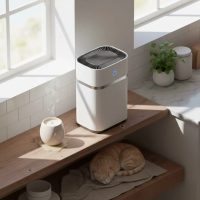
The subtle, musty odor or the sight of unsightly spots on your walls can signal a common household intruder: mold. Beyond its unappealing presence, mold releases microscopic spores into the air, profoundly impacting indoor air quality and your family’s health. If you’re grappling with this issue, an air purifier for mold can be a powerful ally in your fight for cleaner, healthier indoor air. At Rlmex.com, we understand the complexities of indoor air quality, and we’re here to guide you through how these essential devices can help mitigate the airborne threats posed by mold.
Understanding Mold and Its Impact on Your Home
Mold is a type of fungus that thrives in damp, dark, and poorly ventilated environments, reproducing by releasing tiny spores into the atmosphere. These resilient spores, typically measuring between 1 and 40 microns, can easily become airborne and circulate throughout your home. You might not even see visible mold growth, but its presence can be indicated by a persistent musty smell. For expert air purifiers reviews on this site.
The health risks associated with inhaling mold spores are significant and varied. For many, mold exposure triggers allergic reactions, leading to symptoms like sneezing, a runny nose, itchy eyes, a sore throat, and skin rashes. Individuals with asthma or other respiratory conditions are particularly vulnerable, experiencing worsened symptoms, including coughing, wheezing, chest tightness, and more frequent asthma attacks. In some cases, prolonged exposure to certain molds can even lead to more severe issues like fatigue, headaches, dizziness, and cognitive impairment, often referred to as “brain fog,” due to mycotoxins produced by the mold. Children, the elderly, and those with compromised immune systems face heightened vulnerability to these effects.
How Do Air Purifiers Help with Mold?
While an air purifier cannot eliminate existing mold growth on surfaces or fix the underlying moisture problem causing it, it plays a crucial role in removing airborne mold spores, preventing them from settling and establishing new colonies. This significantly reduces your exposure to these irritants and allergens, contributing to a healthier indoor environment.
The effectiveness of an air purifier for mold hinges on its filtration system. The best units employ a multi-stage approach, primarily relying on True HEPA and activated carbon filters.
The Role of HEPA Filters in Mold Spore Removal
At the heart of any effective air purifier for mold is a True HEPA (High-Efficiency Particulate Air) filter. These filters are engineered to capture 99.97% of airborne particles as small as 0.3 microns. Considering that mold spores typically range from 1 to 40 microns, a True HEPA filter is exceptionally efficient at trapping these microscopic invaders as they pass through the unit.
As air is drawn into the purifier, mold spores are physically trapped within the dense network of fibers in the HEPA filter, preventing them from recirculating into your living spaces. This mechanical filtration is a highly reliable method for reducing the concentration of mold spores in the air, thereby alleviating allergy and asthma symptoms caused by airborne mold.
Activated Carbon Filters: Battling Musty Odors
|
Our Picks for the Best Air Purifier in 2026
As an Amazon Associate I earn from qualifying purchases.
|
||
| Num | Product | Action |
|---|---|---|
| 1 | Air Purifiers for Bedroom with H14 True HEPA, Quiet Air Cleaner With Sleep Mode Night Light, Small Air Purifier Covers Up to 1200ft², 360° Air Intake, 3 Speeds, Timer, Aroma Function, Black |

|
| 2 | LEVOIT Air Purifier for Home Allergies Pet Hair in Bedroom, Covers Up to 1073 ft² by 56W High Torque Motor, AHAM VERIFIDE, 3-in-1 Filter with HEPA Sleep Mode, Remove Dust Smoke Odor, Core300-P, White |
|
| 3 | Air Purifiers for Home Large Room up to 2200sq.ft with Washable Filters, EVALIT Air Purifiers for Bedroom with Fragrance, PM 2.5 Display Air Quality Sensor for Smoke Dust Odors, White, 1Pack+3Modes |
|
| 4 | LEVOIT Air Purifiers for Home Large Room Up to 1875 Ft² with Washable Pre-Filter, AHAM VERIFIDE, Air Quality Monitor, HEPA Sleep Mode for Allergies, Pet Hair in Bedroom, Vital 200S-P, White |
|
| 5 | LEVOIT Air Purifiers for Bedroom Home Dorm, AHAM VERIFIED, 3-in-1 Filter Claener with Fragrance Sponge, Portable Filters Smoke, Allergens, Pet Dander, Odor, Dust, Office, Desktop, Core Mini-P, White |
|
| 6 | Air Purifiers for Home Large Room Cover Up to 1500 Ft² with True HEPA Filter, 20dB Sleep Mode, 360° Air Intake & Outlet, Air Cleaner for Bedroom Pets, 7 Color Light, HAP604, Bright White |
|
| 7 | KNKA Air Purifier for Home Bedroom Large Room Up to 3,500 Ft², HEPA Air Cleaner with Washable Pre-Filter, AHAM VERIFIDE, AQI Display, ECO Mode, Pet Mode for Pets, Allergies, Dust, Pollen, APH4000 |
|
| 8 | LEVOIT Air Purifier for Home Large Room Up to 1073Ft² with Air Quality Monitor, AHAM VERIFIDE, Smart WiFi, Washable Pre-Filter, HEPA Sleep Mode for Pets, Allergies, Dust, Pollen, Vital 100S-P, White |
|
| 9 | ECOSELF Smart Air Purifier for Home Large Rooms, with WiFi Control, Covers Up to 2400 Ft², Smart Mode, AQI Display, 22dB Sleep Mode & Aromatherapy with 2X-Power Filtration, HAP603WF, White |
|
| 10 | Air Purifiers for Home Large Room, Cover Up to 2400 Ft² with True HEPA Filter, Smart Mode, PM2.5 Air Quality Display, 22dB Sleep Mode, Aromatherapy with 2X-Purification & 360°Air Outlet, HAP603, White |
|
Mold doesn’t just spread spores; it also produces volatile organic compounds (VOCs) that are responsible for that distinctive, unpleasant musty smell. This is where activated carbon filters come into play. These specialized filters are designed with a porous structure that chemically adsorbs gases, odors, and VOCs from the air.
By incorporating an activated carbon filter, an air purifier for mold doesn’t just capture spores; it also neutralizes the musty odors, leaving your home smelling fresher and cleaner. This dual-action approach—removing both the invisible spores and the noticeable smells—provides comprehensive relief for mold-affected environments.
Other Technologies: What to Consider (and What to Avoid)
Some air purifiers may feature additional technologies like UV-C light or ionizers. While these might sound appealing, it’s important to approach them with caution when dealing with mold.
UV-C light is theoretically capable of neutralizing microorganisms, but for it to be effective against mold spores, it requires significant exposure time and intensity, which most consumer-grade units cannot provide. Furthermore, UV-C light can potentially degrade HEPA filter materials over time and, in some cases, produce ozone as a byproduct. Ionizers, which release charged ions to clump particles together, can also generate ozone, a known respiratory irritant, and may cause particles to settle on surfaces rather than being trapped in the filter. For effective mold remediation, the focus should remain on high-quality HEPA and activated carbon filtration.
Dr. Lena Petrov, an Environmental Health Scientist specializing in indoor air quality, advises, “When selecting an air purifier for mold, prioritize units with robust True HEPA and activated carbon filtration. While additional features like UV-C or ionizers are often marketed, their efficacy against mold spores in residential settings is often overstated, and some can even introduce undesirable byproducts like ozone.”
Choosing the Right Air Purifier for Mold
Selecting the ideal air purifier for mold requires careful consideration of several factors to ensure it effectively meets your needs.
- Room Size and CADR (Clean Air Delivery Rate): One of the most critical factors is matching the purifier’s capacity to your room size. Look for the CADR rating, which indicates how quickly the purifier cleans a room of smoke, dust, and pollen. For effective mold spore removal, aim for a CADR that allows for at least 4-5 air changes per hour in your designated space.
- True HEPA Filter: As discussed, a True HEPA filter is non-negotiable for capturing mold spores. Double-check that the product specifies “True HEPA” filtration.
- Activated Carbon Filter: For tackling mold odors, an activated carbon filter is essential. Look for models with a substantial amount of activated carbon, often measured in pounds, for superior odor absorption.
- Sealed System: A good air purifier for mold should have a sealed system to prevent any captured spores from leaking back into the air.
- Noise Level: Air purifiers are often run continuously, so consider the noise output, especially if it’s for a bedroom or office. Many modern units offer quiet modes.
- Filter Replacement Costs and Frequency: Filters need regular replacement to maintain efficiency. Research the cost and availability of replacement filters and how often they need changing, typically every 6-12 months for HEPA and 3-6 months for carbon filters, depending on usage and air quality.
- Portability and Smart Features: Depending on your needs, features like wheels for portability, smart sensors that auto-adjust fan speed based on air quality, and app connectivity can enhance user convenience.
Proper Placement and Usage Tips
To maximize the effectiveness of your air purifier for mold, consider these usage and maintenance tips:
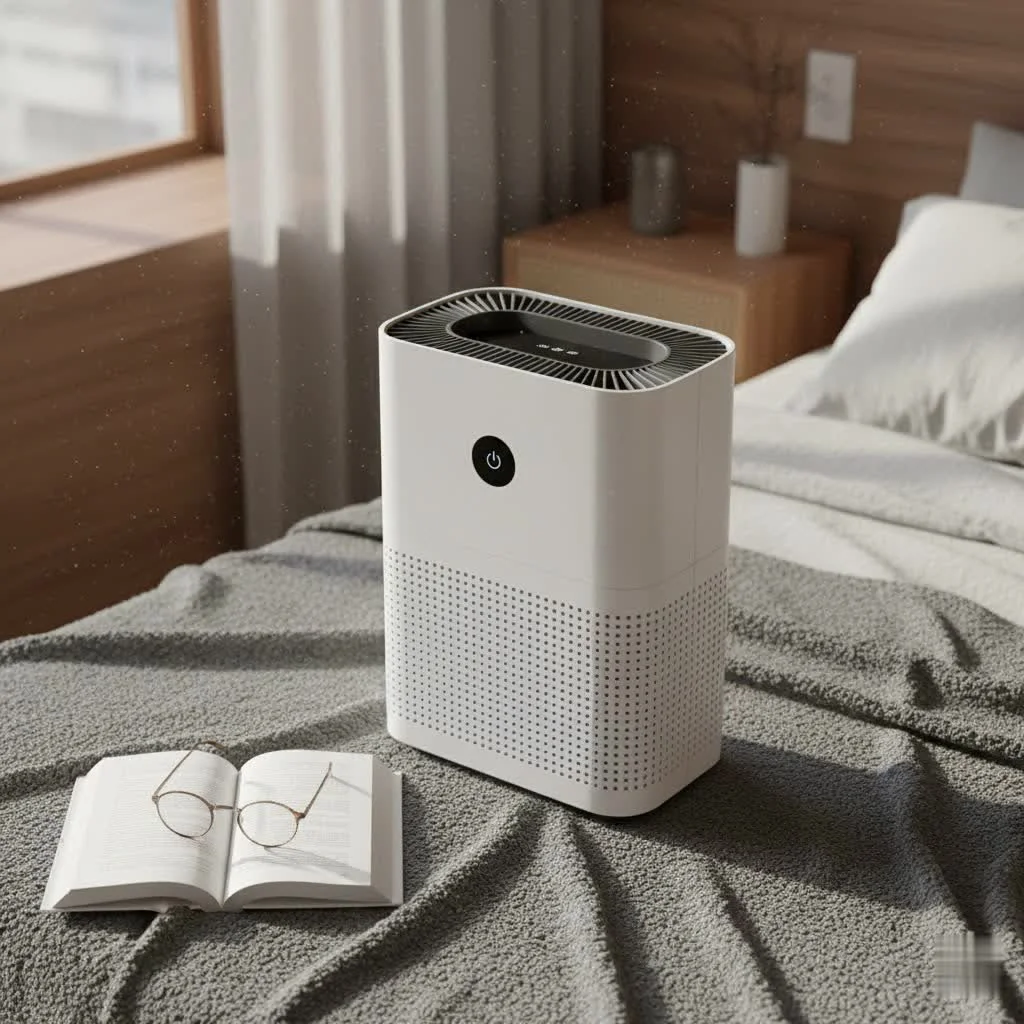
- Strategic Placement: Position your air purifier in areas prone to mold or where you spend the most time, such as basements, bathrooms, kitchens, or bedrooms. Place it a few inches away from walls or furniture to allow for optimal airflow.
- Continuous Operation: For the best results, run your air purifier 24/7, especially in mold-prone areas. Mold spores are constantly present, and continuous operation ensures they are captured as they become airborne.
- Regular Filter Maintenance: Adhere to the manufacturer’s guidelines for cleaning or replacing filters. A clogged filter loses its effectiveness and can even become a breeding ground for bacteria if moisture is present.
- Understand Its Role: Remember, an air purifier is a tool for airborne spore management, not a cure for existing mold growth or a substitute for addressing moisture sources.
Beyond the Air Purifier: A Holistic Approach to Mold Control
While an air purifier for mold is an invaluable part of your defense, it’s crucial to adopt a holistic approach to mold control.
- Identify and Fix Moisture Sources: Mold cannot thrive without moisture. Promptly repair any leaks, address water damage, and ensure proper drainage around your home.
- Control Humidity: Maintain indoor humidity levels between 30% and 50% using dehumidifiers in damp areas like basements and bathrooms.
- Improve Ventilation: Ensure adequate ventilation in bathrooms, kitchens, and laundry rooms by using exhaust fans and opening windows when possible.
- Clean Visible Mold: For existing mold growth on surfaces, it must be physically cleaned and removed. For extensive mold issues (larger than a small patch), professional mold remediation is highly recommended. Cleaning mold can release a surge of spores, so running an air purifier during and after cleanup is especially beneficial.
Frequently Asked Questions (FAQ)
Can an air purifier kill mold?
No, an air purifier does not kill mold. It works by capturing airborne mold spores, preventing them from settling and multiplying. To kill mold, you must address the moisture source and clean or remediate the existing growth.
How long does it take for an air purifier to remove mold spores?
The time it takes depends on the air purifier’s CADR rating, room size, and the concentration of spores. High-efficiency purifiers with appropriate CADR can significantly reduce airborne spore counts within a few hours of continuous operation.
Do all air purifiers work for mold?
No, not all air purifiers are equally effective against mold. An air purifier for mold must have a True HEPA filter to capture the microscopic spores and ideally an activated carbon filter to remove musty odors.
What is the best type of filter for mold?
The best type of filter for capturing mold spores is a True HEPA filter. For removing the accompanying musty odors, an activated carbon filter is also highly recommended.
Should I run my air purifier 24/7 for mold?
Yes, running your air purifier continuously, especially in mold-prone areas, is generally recommended for optimal effectiveness. This ensures a constant reduction of airborne mold spores.
Breathe Easier, Live Healthier
Mold can be a persistent challenge, but with the right tools and strategies, you can significantly improve your indoor air quality and protect your health. An air purifier for mold, equipped with True HEPA and activated carbon filtration, is a powerful investment in a cleaner, fresher home. By removing airborne mold spores and musty odors, it provides a crucial layer of defense against the invisible threats that can undermine your well-being.
Remember, the journey to a mold-free environment involves more than just air purification; it’s about controlling moisture, addressing growth at its source, and maintaining vigilance. For more expert insights and product recommendations to help you breathe easier, keep Rlmex.com as your trusted resource.
Get our weekly buyer guide
Practical specs, not advice. Unsubscribe anytime.