We all dream of breathing clean, fresh air in our homes, free from pollutants, allergens, and unpleasant odors. The market is flooded with various devices promising pristine indoor air, and among them, the “Ozone Air Purifier” often catches attention with its powerful claims. But as an expert with over a decade in air purification, I’m here to tell you that when it comes to ozone, what seems like a simple solution can actually introduce serious health risks. At Rlmex, our mission is to cut through the marketing hype and provide you with the unbiased, professional insights you need to make truly healthy choices for your living space.
What Exactly is an Ozone Air Purifier and How Does It Work?
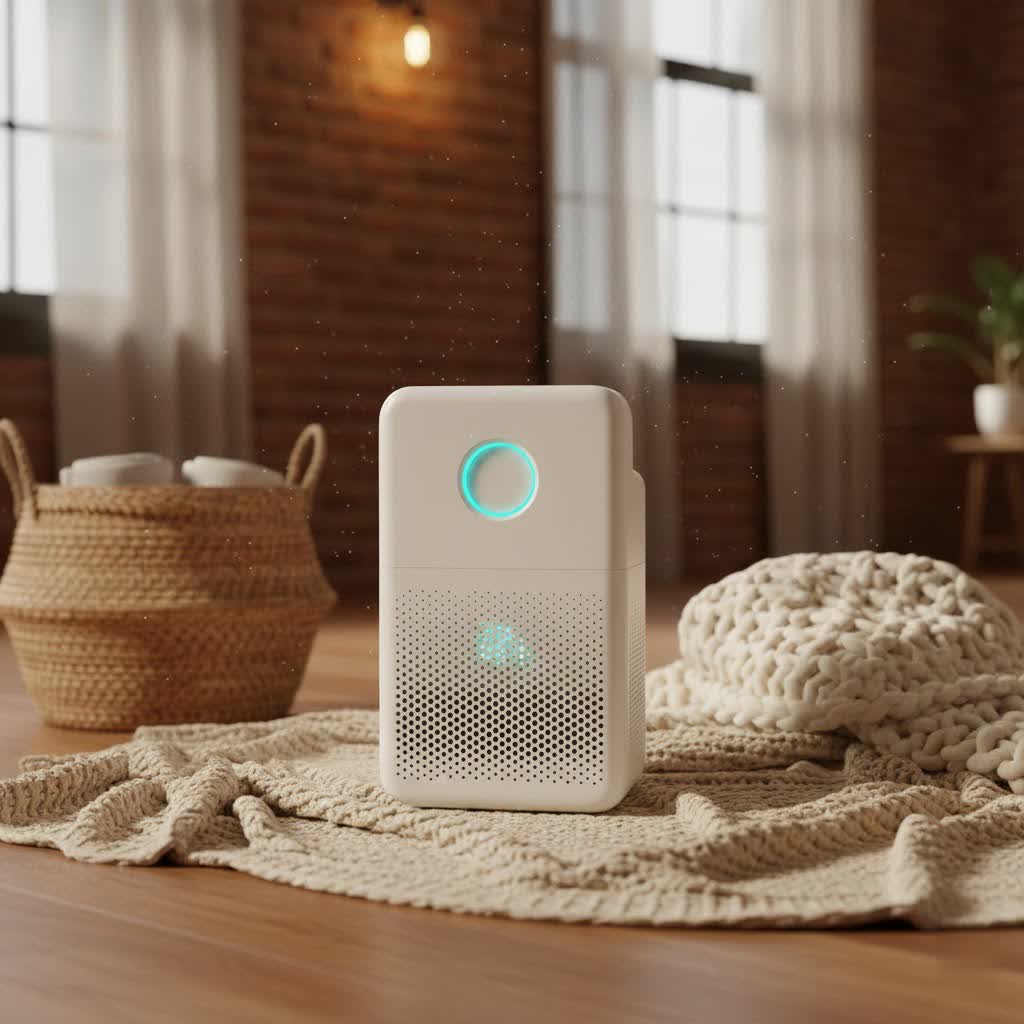
An ozone air purifier, often marketed as an “ozone generator,” is a device designed to produce ozone gas (O₃). You might hear it referred to by seemingly benign terms like “activated oxygen” or “super oxygenated air,” but make no mistake, it’s still ozone. These machines typically create ozone in one of two ways: using a high-energy electrical discharge, similar to lightning in a thunderstorm, or through ultraviolet (UV) light, mimicking how ozone forms in the upper atmosphere.
Once generated, ozone is released into the air. Its proponents claim that this highly reactive molecule attaches to airborne pollutants such as odors, bacteria, viruses, mold spores, and even certain chemicals, breaking them down at a molecular level. The idea is that the third, unstable oxygen atom in ozone readily bonds with these contaminants, oxidizing them and theoretically reverting back to a harmless oxygen molecule (O₂). This reactive nature is what makes ozone a powerful oxidizer, often used for heavy-duty odor removal in commercial settings or after severe damage like fires or floods, but typically only in unoccupied spaces.
The Unseen Dangers: Why Ozone Air Purifiers Pose Health Risks
While the concept of ozone “neutralizing” pollutants might sound appealing, the reality is far more concerning, especially for residential use. The very reactivity that makes ozone effective at high concentrations also makes it dangerous to human and animal health.
Ozone: A Harmful Lung Irritant
|
Our Picks for the Best Air Purifier in 2026
As an Amazon Associate I earn from qualifying purchases.
|
||
| Num | Product | Action |
|---|---|---|
| 1 | Air Purifiers for Bedroom with H14 True HEPA, Quiet Air Cleaner With Sleep Mode Night Light, Small Air Purifier Covers Up to 1200ft², 360° Air Intake, 3 Speeds, Timer, Aroma Function, Black |

|
| 2 | LEVOIT Air Purifiers for Bedroom Home Dorm, AHAM VERIFIED, 3-in-1 Filter Claener with Fragrance Sponge, Portable Filters Smoke, Allergens, Pet Dander, Odor, Dust, Office, Desktop, Core Mini-P, White |
|
| 3 | Air Purifiers for Home Large Room, Cover Up to 2400 Ft² with True HEPA Filter, Smart Mode, PM2.5 Air Quality Display, 22dB Sleep Mode, Aromatherapy with 2X-Purification & 360°Air Outlet, HAP603, White |
|
| 4 | KNKA Air Purifier for Home Bedroom Large Room Up to 3,500 Ft², HEPA Air Cleaner with Washable Pre-Filter, AHAM VERIFIDE, AQI Display, ECO Mode, Pet Mode for Pets, Allergies, Dust, Pollen, APH4000 |
|
| 5 | LEVOIT Air Purifier for Home Large Room Up to 1073Ft² with Air Quality Monitor, AHAM VERIFIDE, Smart WiFi, Washable Pre-Filter, HEPA Sleep Mode for Pets, Allergies, Dust, Pollen, Vital 100S-P, White |
|
| 6 | LEVOIT Air Purifiers for Home Large Room Up to 1875 Ft² with Washable Pre-Filter, AHAM VERIFIDE, Air Quality Monitor, HEPA Sleep Mode for Allergies, Pet Hair in Bedroom, Vital 200S-P, White |
|
| 7 | Air Purifiers for Home Large Room Cover Up to 1500 Ft² with True HEPA Filter, 20dB Sleep Mode, 360° Air Intake & Outlet, Air Cleaner for Bedroom Pets, 7 Color Light, HAP604, Bright White |
|
| 8 | Air Purifiers for Home Large Room up to 2200sq.ft with Washable Filters, EVALIT Air Purifiers for Bedroom with Fragrance, PM 2.5 Display Air Quality Sensor for Smoke Dust Odors, White, 1Pack+3Modes |
|
| 9 | LEVOIT Air Purifier for Home Allergies Pet Hair in Bedroom, Covers Up to 1073 ft² by 56W High Torque Motor, AHAM VERIFIDE, 3-in-1 Filter with HEPA Sleep Mode, Remove Dust Smoke Odor, Core300-P, White |
|
| 10 | ECOSELF Smart Air Purifier for Home Large Rooms, with WiFi Control, Covers Up to 2400 Ft², Smart Mode, AQI Display, 22dB Sleep Mode & Aromatherapy with 2X-Power Filtration, HAP603WF, White |
|
When ozone is present in the air we breathe, it becomes a significant lung irritant. Exposure, even at relatively low levels, can inflame and irritate the lining of the respiratory system. This irritation can lead to a range of unpleasant symptoms including coughing, chest tightness, throat discomfort, shortness of breath, and wheezing. For individuals with pre-existing respiratory conditions like asthma, exposure to ozone can significantly worsen symptoms and may even contribute to the development of asthma in some cases.
“Many people are unaware that while ozone can effectively break down certain contaminants at high concentrations, it poses a direct threat to lung tissue. The same powerful oxidizing action that attacks pollutants also harms the delicate cells in our respiratory system,” explains Dr. Elena Petrova, a leading environmental health specialist.
Elevated or prolonged exposure to ozone can cause permanent lung damage and has even been linked to an increased risk of dying among persons already in poor health.
Creating New Problems: Toxic Byproducts
Beyond direct irritation, ozone doesn’t just make pollutants disappear; it reacts with them. In fact, ozone has been found to react with existing chemicals commonly found indoors, such as volatile organic compounds (VOCs), to create new and often more toxic byproducts, including formaldehyde and ultrafine particles. This means an ozone air purifier can inadvertently worsen your indoor air quality by introducing additional harmful substances.
Masking Odors, Not Eliminating Them
Many consumers purchase ozone air purifiers specifically to eradicate stubborn odors. While ozone can react with some odor-causing molecules, often what’s perceived as odor removal is actually a deadening of one’s sense of smell. This masks the odor rather than truly eliminating its source and can dangerously decrease a person’s ability to detect high, unsafe levels of ozone, leading to prolonged exposure.
The Stance of Regulatory Bodies
It’s crucial to understand that no ozone air cleaner has been approved by any U.S. government agency, including the U.S. Environmental Protection Agency (EPA), for use in occupied spaces. The California Air Resources Board (CARB), for instance, explicitly recommends that ozone generators not be used, except for approved industrial purposes where harmful exposure is strictly prevented, and has banned consumer ozone generators entirely due to proven health risks.
Ozone Levels: What’s Safe vs. What’s Effective?
Here lies the fundamental dilemma with ozone air purifiers: the level of ozone required to effectively eliminate odors, kill bacteria, or remove mold is far above what is considered safe for human respiration. At concentrations low enough to be deemed safe for continuous breathing in an occupied space, scientific research consistently shows that ozone is largely ineffective at truly purifying the air by destroying harmful microorganisms or significantly removing odors. This stark contrast between effective and safe levels makes ozone air purifiers unsuitable for continuous use in homes.
Ozone Air Purifiers vs. True Air Purification Systems
It’s vital to distinguish between an ozone air purifier and what we at Rlmex consider a “true” air purification system. The core difference lies in their mechanism:
- Ozone Air Purifiers (Generators): These devices produce a reactive gas (ozone) that interacts with pollutants. Essentially, they introduce a new pollutant into your environment in an attempt to combat existing ones.
- True Air Purification Systems: These systems filter existing pollutants from the air without generating new ones. They work by drawing in air, trapping harmful particles and gases, and then releasing cleaner air.
The most reliable and universally recommended true air purification systems employ mechanical filtration.
HEPA Filters: The Gold Standard for Particle Removal
High-Efficiency Particulate Air (HEPA) filters are the undisputed champions for capturing airborne particles. A true HEPA filter is certified to capture at least 99.97% of airborne particles 0.3 microns in diameter, which includes common allergens like dust, pollen, pet dander, mold spores, and even many bacteria and viruses. These filters work like a dense, fibrous mesh, physically trapping particles as air passes through them, and they do so without producing any ozone.
Activated Carbon Filters: Tackling Odors and Chemicals
While HEPA filters excel at capturing particles, they aren’t designed for gases and odors. This is where activated carbon filters come in. These specialized filters contain a highly porous form of carbon that adsorbs (meaning molecules adhere to its surface) gases, volatile organic compounds (VOCs), and odors. Activated carbon physically traps these chemical pollutants, effectively removing them from the air rather than just masking them.
Safe & Effective Alternatives for Cleaner Indoor Air
At Rlmex, we strongly advocate for solutions that genuinely improve your indoor air quality without compromising your health. For genuine and safe air purification, focus on these proven methods:
- True HEPA Air Purifiers: These are essential for removing airborne particles that trigger allergies and asthma. Look for models with a high Clean Air Delivery Rate (CADR) suitable for your room size.
- Activated Carbon Filters: Often paired with HEPA filters, these are crucial for absorbing gases, chemical fumes, and persistent odors.
- Combined Filtration Systems: Many high-quality air purifiers offer multi-stage filtration, combining a pre-filter, a true HEPA filter, and an activated carbon filter to tackle a wide spectrum of indoor air pollutants.
- Improved Ventilation: Regularly opening windows and doors, especially during activities that generate pollutants like cooking or cleaning, can significantly improve air exchange.
- Source Control: Address pollution at its source – use exhaust fans in kitchens and bathrooms, avoid smoking indoors, and choose low-VOC products.
- Humidity Management: Maintaining optimal indoor humidity (between 30-50%) can help control mold growth and dust mites.
Making an Informed Choice: What Rlmex Recommends
Your health and the health of your loved ones should always be the top priority when choosing an air purification solution. Given the overwhelming scientific evidence and regulatory warnings, Rlmex unequivocally advises against the use of ozone air purifiers or ozone generators in any occupied indoor space.
Instead, we recommend investing in air purifiers that utilize proven, ozone-free technologies like true HEPA filtration combined with activated carbon. When selecting an air purifier, look for certifications from reputable organizations and ensure it meets stringent safety standards. Always prioritize devices that filter out pollutants rather than attempting to react with them by generating a harmful gas.
Frequently Asked Questions (FAQ)
Are ozone air purifiers bad for your health?
Yes, inhaling ozone, even at seemingly low levels, can irritate your lungs and respiratory system, leading to coughing, chest pain, and shortness of breath. It can worsen conditions like asthma and may cause long-term lung damage.
Can ozone air purifiers remove mold permanently?
While ozone can kill surface mold spores at very high concentrations, it does not remove existing mold growth or address the underlying moisture issues that cause mold. For serious mold problems, professional remediation is necessary, as relying on an ozone generator can mask the problem and expose you to harmful ozone gas.
Do ozone air purifiers actually clean the air?
At levels considered safe for humans, ozone air purifiers are largely ineffective at truly cleaning the air. The concentrations needed for significant pollutant removal are well above safe breathing limits and can even create new toxic byproducts.
What kind of air purifier is safe for asthma?
Air purifiers that use true HEPA filters are considered safe and effective for asthma sufferers because they mechanically capture airborne particles like pollen, dust mites, pet dander, and mold spores without producing ozone or other irritants.
Is there a safe level of ozone for indoor air?
While some very low levels of ozone might naturally occur, the EPA states that when it comes to purifying air, the level of ozone needed to achieve odor elimination or significant pathogen reduction is above what is generally considered safe for humans to breathe. Continuous exposure, even to low levels, can be problematic for sensitive individuals.
Your Path to Truly Clean Air
Choosing the right air purification system is a critical decision for your family’s health and well-being. While the allure of “ozone air purifiers” might seem powerful, the scientific consensus and expert recommendations are clear: these devices pose significant health risks without providing effective air cleaning at safe levels. Prioritize your health by opting for proven, ozone-free technologies like true HEPA and activated carbon filtration. These systems actively remove pollutants from your indoor environment, giving you the peace of mind that you’re truly breathing cleaner, healthier air. For more trusted information and guidance on creating a healthier home environment, visit Rlmex.com – your ultimate resource for air purification expertise.
