Choosing the best air purifier for your home involves understanding key factors like room size, filter technology, and noise levels. A True HEPA filter is essential for capturing 99.97% of airborne particles as small as 0.3 microns, including dust, pollen, and pet dander, while activated carbon filters effectively remove odors and volatile organic compounds (VOCs). Prioritizing these mechanical filtration methods ensures cleaner air and improved respiratory health without introducing harmful byproducts like ozone.
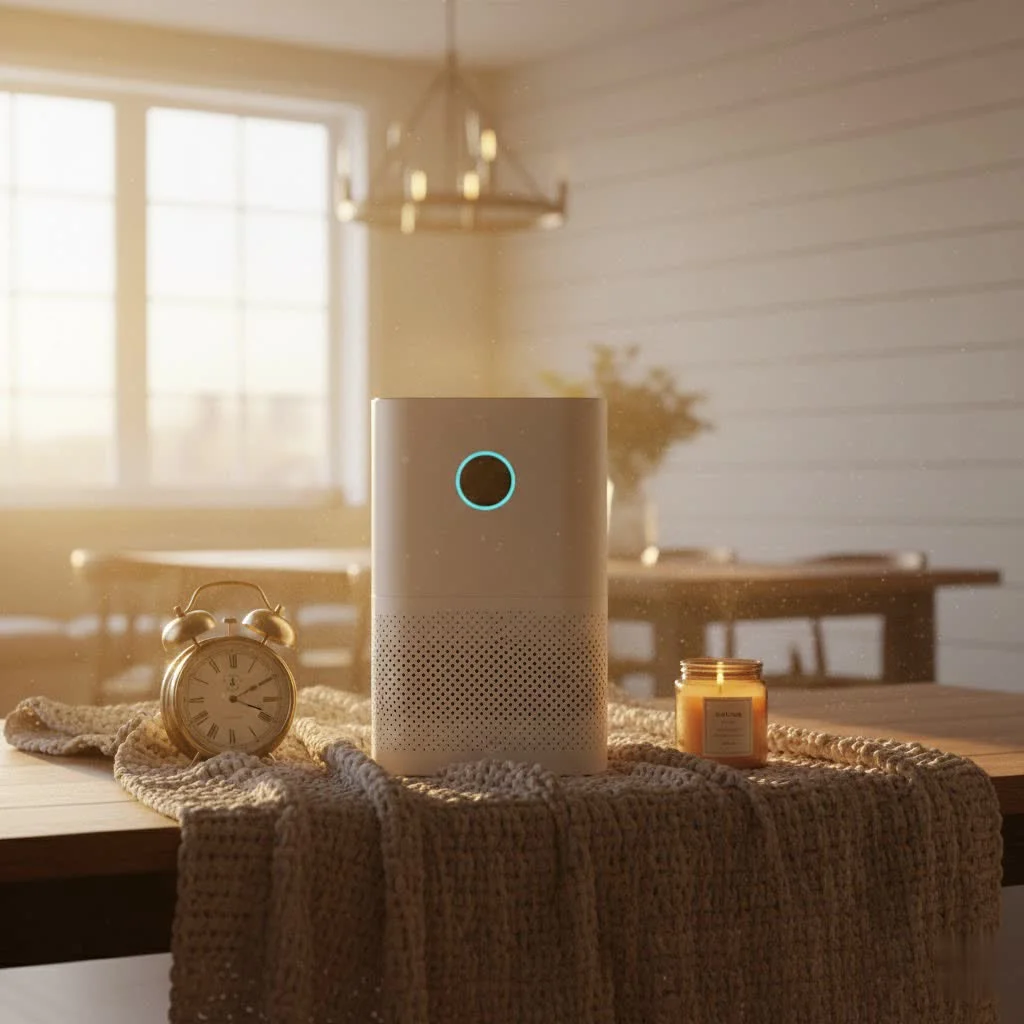
This comprehensive guide will walk you through everything you need to know, from the science behind air purification to practical tips for selecting and maintaining the perfect air purifier for home that fits your unique needs and lifestyle.
Why Your Home Needs an Air Purifier: The Unseen Pollutants
It’s easy to overlook what we can’t see, but indoor air is often a complex cocktail of pollutants. Every day, your home gathers dust mites, pet dander, pollen drifting in from outside, and even microscopic mold spores. Beyond these common culprits, modern living introduces volatile organic compounds (VOCs) from cleaning products, furniture, and paint, along with cooking odors and potential smoke particles. These aren’t just minor nuisances; they can significantly impact your health, triggering allergies, worsening asthma, and contributing to general discomfort. An effective air purifier for home acts as your personal air quality guardian, continuously working to remove these contaminants and improve your indoor environment.
Beyond Clean Air: Surprising Benefits of Air Purification
Investing in an air purifier for home brings a cascade of benefits that extend far beyond simply removing dust. It’s about creating a sanctuary where you can truly thrive.
Improved Respiratory Health and Allergy Relief
For many, an air purifier is a major upgrade when it comes to allergies and asthma. By efficiently capturing common allergens like pollen, pet dander, and dust mites, these devices significantly reduce the triggers that cause sneezing, itchy eyes, congestion, and breathing difficulties. Imagine waking up without that familiar stuffy nose!
Better Sleep Quality
Poor air quality can disrupt your sleep without you even realizing it. When your body is fighting off airborne irritants all night, it can’t fully rest and repair. By purifying the air, an air purifier for home minimizes these nocturnal challenges, allowing for deeper, more restorative sleep.
Odor Neutralization
Lingering odors from cooking, pets, or even new furniture can make your home feel less welcoming. Air purifiers equipped with activated carbon filters are incredibly effective at adsorbing and trapping these smell-causing molecules, leaving your home smelling fresh and clean.
A Safer Environment for Vulnerable Groups
|
Our Picks for the Best Air Purifier in 2026
As an Amazon Associate I earn from qualifying purchases.
|
||
| Num | Product | Action |
|---|---|---|
| 1 | Air Purifiers for Home Large Room up to 2200sq.ft with Washable Filters, EVALIT Air Purifiers for Bedroom with Fragrance, PM 2.5 Display Air Quality Sensor for Smoke Dust Odors, White, 1Pack+3Modes |

|
| 2 | Air Purifiers for Home Large Room Cover Up to 1500 Ft² with True HEPA Filter, 20dB Sleep Mode, 360° Air Intake & Outlet, Air Cleaner for Bedroom Pets, 7 Color Light, HAP604, Bright White |
|
| 3 | KNKA Air Purifier for Home Bedroom Large Room Up to 3,500 Ft², HEPA Air Cleaner with Washable Pre-Filter, AHAM VERIFIDE, AQI Display, ECO Mode, Pet Mode for Pets, Allergies, Dust, Pollen, APH4000 |
|
| 4 | LEVOIT Air Purifiers for Home Large Room Up to 1875 Ft² with Washable Pre-Filter, AHAM VERIFIDE, Air Quality Monitor, HEPA Sleep Mode for Allergies, Pet Hair in Bedroom, Vital 200S-P, White |
|
| 5 | Air Purifiers for Bedroom with H14 True HEPA, Quiet Air Cleaner With Sleep Mode Night Light, Small Air Purifier Covers Up to 1200ft², 360° Air Intake, 3 Speeds, Timer, Aroma Function, Black |
|
| 6 | LEVOIT Air Purifiers for Bedroom Home Dorm, AHAM VERIFIED, 3-in-1 Filter Claener with Fragrance Sponge, Portable Filters Smoke, Allergens, Pet Dander, Odor, Dust, Office, Desktop, Core Mini-P, White |
|
| 7 | ECOSELF Smart Air Purifier for Home Large Rooms, with WiFi Control, Covers Up to 2400 Ft², Smart Mode, AQI Display, 22dB Sleep Mode & Aromatherapy with 2X-Power Filtration, HAP603WF, White |
|
| 8 | Air Purifiers for Home Large Room, Cover Up to 2400 Ft² with True HEPA Filter, Smart Mode, PM2.5 Air Quality Display, 22dB Sleep Mode, Aromatherapy with 2X-Purification & 360°Air Outlet, HAP603, White |
|
| 9 | LEVOIT Air Purifier for Home Allergies Pet Hair in Bedroom, Covers Up to 1073 ft² by 56W High Torque Motor, AHAM VERIFIDE, 3-in-1 Filter with HEPA Sleep Mode, Remove Dust Smoke Odor, Core300-P, White |
|
| 10 | LEVOIT Air Purifier for Home Large Room Up to 1073Ft² with Air Quality Monitor, AHAM VERIFIDE, Smart WiFi, Washable Pre-Filter, HEPA Sleep Mode for Pets, Allergies, Dust, Pollen, Vital 100S-P, White |
|
Children and the elderly often have more sensitive respiratory systems, making them more susceptible to airborne toxins. An air purifier for home creates a healthier living space by removing harmful pollutants before they can cause harm, reducing the risk of respiratory infections and exacerbating existing conditions.
Protection for Your HVAC System
Believe it or not, an air purifier can even protect your heating, ventilation, and air conditioning (HVAC) system. By preventing dust and dirt buildup in your ducts and filters, it helps prolong the life of your system and can reduce the need for costly repairs and maintenance.
Understanding Air Purifier Technology: What’s Inside Matters
When selecting an air purifier for home, it’s crucial to understand the different filtration technologies available. Each excels at tackling specific types of pollutants.
HEPA Filters: The Particle Powerhouse
When you hear “air purifier,” you likely think of HEPA filters, and for good reason. True HEPA (High-Efficiency Particulate Air) filters are considered the gold standard. They are designed to capture 99.97% of airborne particles as small as 0.3 microns. What does that mean for your home? It means they effectively trap a vast array of common irritants, including dust, pollen, pet dander, mold spores, and even some bacteria and viruses. For anyone dealing with allergies or generally wanting to reduce airborne particulates, a True HEPA air purifier for home is non-negotiable.
Activated Carbon Filters: Tackling Odors and VOCs
While HEPA filters are fantastic for particles, they don’t do much for gases and odors. That’s where activated carbon filters step in. These filters work through a process called adsorption, where gas molecules chemically bind to the highly porous surface of the carbon. They are exceptional at removing volatile organic compounds (VOCs) – those invisible chemical gases emitted from paints, cleaning products, and furniture – as well as smoke, cooking smells, and pet odors. If your home often deals with unpleasant smells or chemical fumes, an air purifier for home with a robust activated carbon filter is essential.
Beyond the Basics: UV-C and Ionic Filtration (With a Crucial Warning)
Some air purifiers incorporate additional technologies like UV-C light or ionic filtration.
- UV-C Light: Ultraviolet-C light is designed to destroy the DNA of airborne bacteria, viruses, and mold spores, effectively neutralizing them. It acts as an additional layer of defense, often used in conjunction with HEPA and carbon filters.
- Ionic Purifiers: These devices release negatively charged ions into the air, which attach to airborne particles, causing them to become heavier and fall out of the air or stick to surfaces.
A Crucial Warning: While some of these technologies may sound appealing, it’s vital to be aware of potential drawbacks. Certain ionic purifiers, electrostatic precipitators, and even some photocatalytic oxidation (PCO) systems can produce ozone as a byproduct. Ozone, even at low levels, is a documented lung irritant and can be harmful to your respiratory health, especially for individuals with asthma or other lung conditions. Always look for an air purifier for home that is certified “ozone-free” or stick to well-established HEPA and activated carbon filtration for peace of mind. As Dr. Lena Nguyen, our lead air quality specialist at Rlmex, often reminds us, “Prioritizing true mechanical filtration with HEPA and activated carbon ensures effective air purification without introducing secondary pollutants like ozone.”
Your Buying Guide: Key Factors for Choosing the Right Air Purifier
With so many options, choosing the best air purifier for home can feel overwhelming. Here’s what to consider to make an informed decision:
Room Size and CADR: Get the Right Fit
This is perhaps the most critical factor. An air purifier that’s too small for your space won’t be effective. Look for the Clean Air Delivery Rate (CADR) rating, which indicates how quickly the purifier cleans a room of specific pollutants (smoke, pollen, dust). Match the CADR to your room’s square footage.
- Small Rooms (100-300 sq ft): Think compact purifiers for nurseries or home offices.
- Medium Rooms (300-600 sq ft): Standard purifiers with a higher CADR are suitable for bedrooms or living rooms.
- Large Rooms (600+ sq ft): You’ll need high-CADR models, or you might consider using multiple units to ensure adequate coverage. if you have high ceilings, you’ll want to choose a purifier with a capacity beyond the recommended square footage.
Targeting Your Pollutants: Know Your Enemy
Consider what you primarily want to remove from your air.
- Dust, Pollen, Pet Dander, Allergens: Prioritize a True HEPA air purifier for home.
- Odors, Smoke, VOCs, Chemical Fumes: Look for models with a substantial activated carbon filter.
- Germs, Viruses, Mold: While HEPA helps, some might consider UV-C as an additional layer, but only if it’s certified ozone-free.
Noise Levels: Peaceful Purification
An air purifier for home that sounds like a jet engine won’t be conducive to relaxation or sleep. Check the noise level, usually measured in decibels (dB). For bedrooms or quiet living areas, look for units that operate quietly, especially on lower fan settings. Many models offer adjustable fan speeds, allowing you to choose a quieter operation when needed.
Maintenance and Running Costs: Long-Term Smart Choices
The initial purchase price is just one part of the equation.
- Filter Replacement: How often do filters need to be replaced, and what do they cost? Some air purifiers have washable or permanent pre-filters, but HEPA and activated carbon filters typically need regular replacement (every 6-12 months for HEPA, more frequently for carbon depending on usage and air quality).
- Energy Efficiency: Look for ENERGY STAR certified models. These are designed to be more energy-efficient, saving you money on your electricity bill, especially if you plan to run your air purifier for home continuously.
Smart Features and Certifications
Modern air purifiers often come with handy features like automatic sensors that adjust fan speed based on detected air quality, smart home integration, and programmable timers. Also, keep an eye out for certifications from reputable organizations like AHAM (Association of Home Appliance Manufacturers) and the Asthma and Allergy Foundation of America (AAFA), which confirm a product’s performance claims.
Setting Up for Success: Using and Maintaining Your Air Purifier
Once you’ve chosen the perfect air purifier for home, a few simple steps ensure you get the most out of it.
Optimal Placement
Where you place your air purifier matters. While you might want one in every room, if you’re starting with just one unit, consider your bedroom. Most people spend approximately a third of their lives sleeping, making the bedroom a prime location for consistent clean air exposure. For larger or open-plan homes, strategically place the purifier in the room where you spend the most time during the day, or where pollutant sources are highest (e.g., near the kitchen or pet areas).
Simple Maintenance Tips
Maintaining your air purifier for home is key to its effectiveness and longevity.
- Regular Filter Checks: Follow the manufacturer’s guidelines for checking and replacing filters. Neglecting this can reduce efficiency and even recirculate trapped pollutants.
- Clean the Exterior: Periodically wipe down the outside of your unit to prevent dust buildup from being drawn into the system.
- Keep Vents Clear: Ensure the air intake and output vents are unobstructed for optimal airflow.
Common Air Purifier Myths and Misconceptions
There are a few myths surrounding air purifier for home units that are worth clearing up:
- “All air purifiers are the same.” Absolutely not! As we’ve seen, technologies vary widely, and so does their effectiveness against different pollutants. Always check filter types and certifications.
- “They just push dust around.” A quality air purifier with a True HEPA filter actively captures particles, preventing them from recirculating.
- “Air purifiers can replace ventilation.” While air purifiers improve indoor air quality, they don’t replace the need for fresh air. It’s still good to open windows occasionally for ventilation when outdoor air quality permits.
Conclusion
Bringing an air purifier for home into your living space is a proactive step towards a healthier, more comfortable life. From banishing unseen pollutants to improving your sleep and boosting overall well-being, the benefits are clear. By understanding the different technologies, considering your specific needs, and knowing what to look for, you can confidently choose the ideal air purification system for your home. Don’t just clean your home; purify your air, and start breathing easier today!
Choosing the Right Air Purifier for Your Home
Select the ideal air purifier by considering room size, target pollutants, noise levels, and maintenance costs to ensure cleaner air and improved well-being.
Measure your room's square footage and look for the Clean Air Delivery Rate (CADR) on purifiers. Match the CADR to your room size; for instance, a 300-600 sq ft room needs a higher CADR than a smaller space. Consider higher capacity for rooms with high ceilings.
Prioritize filter types based on your primary concerns. For dust, pollen, and pet dander, choose a True HEPA filter. For odors, smoke, and VOCs, ensure the purifier has a substantial activated carbon filter. UV-C can be an additional layer for germs, but only if certified ozone-free.
Check the decibel (dB) rating, especially for bedrooms or quiet areas. Look for models that operate quietly on lower fan settings to ensure peaceful purification. Many purifiers offer adjustable fan speeds for quieter operation when needed.
Factor in the cost and frequency of filter replacements, typically every 6-12 months for HEPA and more often for carbon. Look for ENERGY STAR certified models to save on electricity bills, as these are designed for energy efficiency during continuous operation.
Explore features like automatic sensors, smart home integration, and programmable timers for convenience. Check for certifications from reputable organizations like AHAM or AAFA, which validate a product's performance claims and ensure reliability.
Get our weekly buyer guide
Practical specs, not advice. Unsubscribe anytime.
As someone with sensitive skin and respiratory issues, I was really looking for something to tackle VOCs in my home office. The air purifier I chose based on the filter technology mentioned here has been a game-changer. I feel like I can breathe easier and my skin isn’t as irritated. It’s a relief to know I’m not introducing harmful byproducts.
This guide really helped me understand the importance of activated carbon filters. I got a unit for my kitchen and it’s made a noticeable difference with cooking odors and general stuffiness. I appreciate that it doesn’t produce any ozone, which was something I hadn’t even considered before. My only minor complaint is that the replacement filters are a bit pricey.
I’ve been using the recommended air purifier with a True HEPA filter in my living room for a few weeks now, and the difference is amazing. My allergies have been so much better, especially with all the pollen this spring. It’s really quiet too, which was a big concern for me since it’s in a main living area. Definitely worth the investment for cleaner air.
I picked up a smaller air purifier for my bedroom, focusing on one that mentioned good performance for pet dander. While it does seem to help with the dust, I haven’t noticed a huge improvement with my cat’s dander specifically. It’s not bad, but I was hoping for a more dramatic change. The noise level is acceptable though.