Stepping into your home, you expect a sanctuary—a place where you can breathe easy. But what if the air inside your house is more polluted than the air outside? It’s a surprising truth for many, and that’s where a True Hepa Air Purifier becomes an indispensable ally. As an air purification expert with over a decade of hands-on experience and a content creator for Rlmex.com, I’ve seen firsthand how these remarkable devices transform indoor environments. If you’re serious about safeguarding your health and enhancing your living space, understanding the power of a true HEPA air purifier is your first step toward truly clean air.
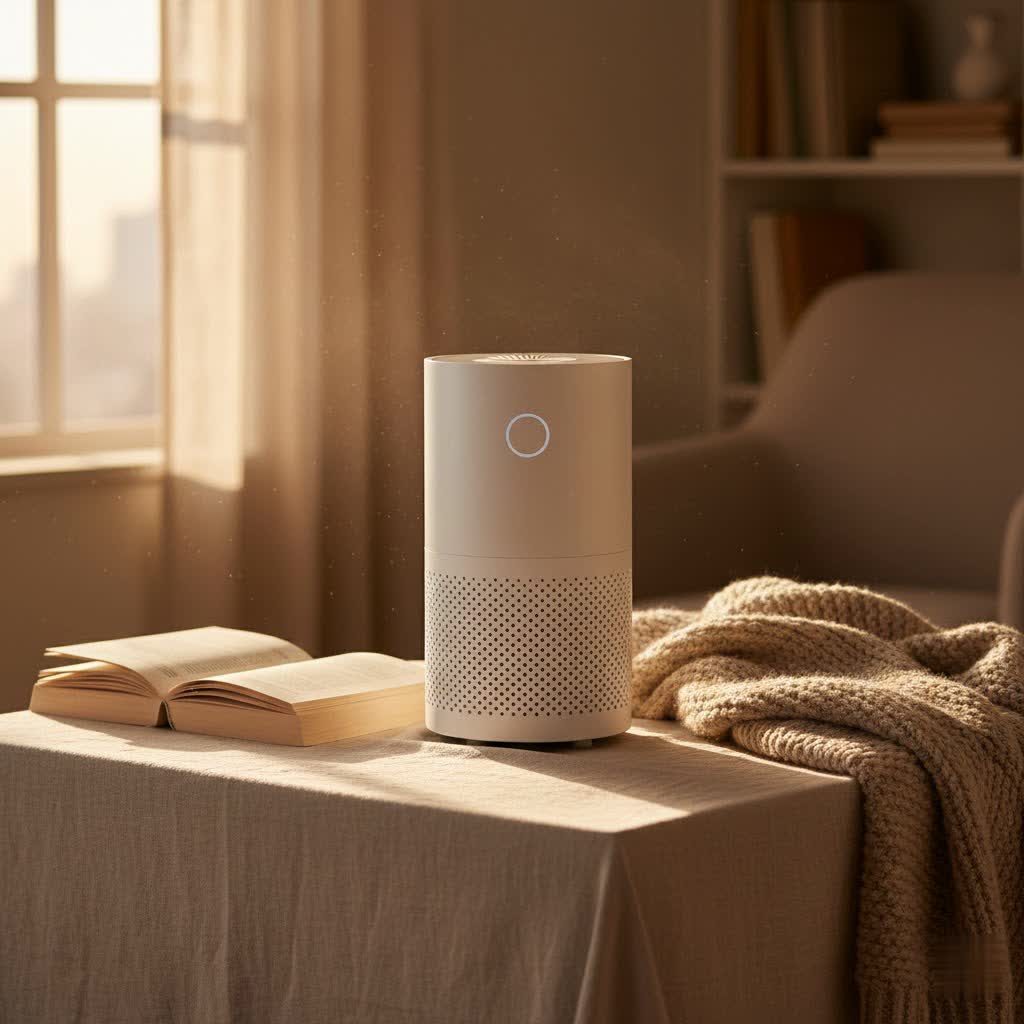
What Exactly is a True HEPA Air Purifier? Unpacking the Gold Standard
You’ve likely heard the term “HEPA” thrown around, but what does it really signify? HEPA stands for High-Efficiency Particulate Air, and it’s not just a fancy marketing term. It’s a rigorous standard defined by the U.S. Department of Energy (DOE). For a filter to earn the “true HEPA” designation, it must be independently tested and certified to capture at least 99.97% of airborne particles as small as 0.3 microns in diameter. This 0.3-micron size is particularly important because it represents the “Most Penetrating Particle Size” (MPPS), meaning particles of this size are the most challenging for filters to trap. If a filter can capture these effectively, it can often capture both larger and smaller particles with even greater efficiency.
How Does a True HEPA Filter Trap Microscopic Invaders?
A true HEPA filter isn’t a simple screen; it’s a sophisticated “dense forest of tangled fibers” typically made from fiberglass, meticulously arranged in a randomized pattern with microfine holes. This intricate design allows air to flow through while trapping particles using three primary mechanisms:
- Interception: As air streams through the filter, particles follow the airflow. If a particle passes close enough to a fiber, it simply sticks to it.
- Impaction: Larger, heavier particles can’t navigate the winding path within the filter’s fibers. They collide directly with the fibers and become trapped.
- Diffusion: The smallest, ultrafine particles move erratically within the airflow. This chaotic movement increases their chances of hitting and adhering to a fiber.
|
Our Picks for the Best Air Purifier in 2026
As an Amazon Associate I earn from qualifying purchases.
|
||
| Num | Product | Action |
|---|---|---|
| 1 | Air Purifiers for Home Large Room, Cover Up to 2400 Ft² with True HEPA Filter, Smart Mode, PM2.5 Air Quality Display, 22dB Sleep Mode, Aromatherapy with 2X-Purification & 360°Air Outlet, HAP603, White |

|
| 2 | KNKA Air Purifier for Home Bedroom Large Room Up to 3,500 Ft², HEPA Air Cleaner with Washable Pre-Filter, AHAM VERIFIDE, AQI Display, ECO Mode, Pet Mode for Pets, Allergies, Dust, Pollen, APH4000 |
|
| 3 | ECOSELF Smart Air Purifier for Home Large Rooms, with WiFi Control, Covers Up to 2400 Ft², Smart Mode, AQI Display, 22dB Sleep Mode & Aromatherapy with 2X-Power Filtration, HAP603WF, White |
|
| 4 | LEVOIT Air Purifiers for Bedroom Home Dorm, AHAM VERIFIED, 3-in-1 Filter Claener with Fragrance Sponge, Portable Filters Smoke, Allergens, Pet Dander, Odor, Dust, Office, Desktop, Core Mini-P, White |
|
| 5 | Air Purifiers for Home Large Room Cover Up to 1500 Ft² with True HEPA Filter, 20dB Sleep Mode, 360° Air Intake & Outlet, Air Cleaner for Bedroom Pets, 7 Color Light, HAP604, Bright White |
|
| 6 | LEVOIT Air Purifier for Home Large Room Up to 1073Ft² with Air Quality Monitor, AHAM VERIFIDE, Smart WiFi, Washable Pre-Filter, HEPA Sleep Mode for Pets, Allergies, Dust, Pollen, Vital 100S-P, White |
|
| 7 | LEVOIT Air Purifiers for Home Large Room Up to 1875 Ft² with Washable Pre-Filter, AHAM VERIFIDE, Air Quality Monitor, HEPA Sleep Mode for Allergies, Pet Hair in Bedroom, Vital 200S-P, White |
|
| 8 | LEVOIT Air Purifier for Home Allergies Pet Hair in Bedroom, Covers Up to 1073 ft² by 56W High Torque Motor, AHAM VERIFIDE, 3-in-1 Filter with HEPA Sleep Mode, Remove Dust Smoke Odor, Core300-P, White |
|
| 9 | Air Purifiers for Home Large Room up to 2200sq.ft with Washable Filters, EVALIT Air Purifiers for Bedroom with Fragrance, PM 2.5 Display Air Quality Sensor for Smoke Dust Odors, White, 1Pack+3Modes |
|
| 10 | Air Purifiers for Bedroom with H14 True HEPA, Quiet Air Cleaner With Sleep Mode Night Light, Small Air Purifier Covers Up to 1200ft², 360° Air Intake, 3 Speeds, Timer, Aroma Function, Black |
|
These combined mechanisms ensure that a true HEPA air purifier is incredibly effective at removing a wide range of particulate matter from your indoor air.
The Unmistakable Benefits: Why Your Home Needs True HEPA Filtration
Investing in a true HEPA air purifier offers a cascade of health and comfort benefits, making it a cornerstone for a healthier home environment.
Superior Allergen and Irritant Reduction
For allergy sufferers, a true HEPA air purifier is nothing short of a blessing. These filters excel at removing common triggers such as:
- Pollen
- Dust mites and their debris
- Pet dander
- Mold spores
- Common household dust
“Many people don’t realize how much these tiny particles impact their daily lives,” notes Dr. Eleanor Vance, a leading expert in indoor air quality. “A true HEPA filter makes a noticeable difference, especially for those prone to sneezing, itchy eyes, and respiratory discomfort.” By efficiently capturing these microscopic particles, true HEPA purifiers prevent allergens from circulating freely, significantly reducing symptoms.
Improved Respiratory Health and Asthma Management
Indoor air pollution often exacerbates asthma and other respiratory conditions. Fine particulate matter (PM2.5) from cooking, cigarette smoke, and even wildfires can be incredibly harmful when inhaled. True HEPA air purifiers are highly effective at capturing these very tiny particles, cleaning the air, and preventing long-term health issues. Unlike some non-HEPA models that might simply recirculate contaminants or even emit ozone (a lung irritant), true HEPA purifiers actively rectify indoor air quality.
Defense Against Bacteria and Viruses
While HEPA filters are primarily designed for particulate matter, their ability to capture particles as small as 0.3 microns means they can trap certain viruses and bacteria, or at least the airborne particles that carry them. This lessens the threat of infection spread within your home, providing an additional layer of protection for your family’s well-being.
Tackling Smoke and Fine Particulates
Whether it’s residual smoke from cooking, a nearby wildfire, or even tobacco smoke, fine smoke particles are a significant indoor air pollutant. A true HEPA filter effectively removes visible smoke particles, contributing to clearer, healthier air. For comprehensive smoke removal, including odors, pairing a true HEPA filter with an activated carbon filter is highly recommended.
Navigating the Market: Choosing the Right True HEPA Air Purifier
With so many options available, selecting the ideal true HEPA air purifier might seem daunting. Here are the key factors to consider:
Room Size and Coverage (CADR & ACH)
The effectiveness of an air purifier hinges on its ability to clean the air in a specific space. Look for units with a Clean Air Delivery Rate (CADR) or an Air Changes per Hour (ACH) rating.
- CADR: Indicates how quickly the purifier removes pollutants from a room. A good rule of thumb is to choose a filter with a CADR of at least two-thirds the room’s area in square feet.
- ACH: Tells you how many times the device can exchange the air within a room with clean air every hour. For general use, an ACH of 4 is good, but for those with allergies or asthma, an ACH of 6 to 8 is preferable.
Always ensure the purifier’s stated coverage area matches or slightly exceeds the square footage of the room where you plan to use it most.
Filter Type and Combination
While a true HEPA filter is crucial for particles, remember its limitations. It does not capture gases or odors. Many high-quality air purifiers combine a true HEPA filter with an activated carbon filter to address these volatile organic compounds (VOCs) and unpleasant smells. Some units also feature a washable pre-filter to capture larger particles like pet hair and lint, extending the life of the HEPA filter.
Noise Level
Air purifiers are often meant to run continuously, so noise level is an important consideration, especially for bedrooms or quiet workspaces. Check the decibel (dB) ratings for different fan speeds. Many purifiers offer a “sleep mode” or lower settings that operate quietly, though remember that maximum efficiency often requires higher fan speeds.
Energy Efficiency
Since your air purifier will likely be running 24/7, energy consumption matters. Look for units with the U.S. Department of Energy’s Energy Star rating, which signifies greater energy efficiency and can help save on electricity costs.
Cost of Ownership
Beyond the initial purchase price (which can range from $50 to over $1,000), consider the annual cost of replacement filters. Pre-filters might need replacement every 3 months, activated carbon filters every 6 months, and true HEPA filters typically yearly. Factor these ongoing costs into your decision.
Avoiding Misleading Labels: True HEPA vs. “HEPA-Type”
Be wary of terms like “HEPA-type,” “HEPA-like,” or “HEPA-style.” These are marketing terms and do not guarantee the rigorous performance of a certified true HEPA filter. These alternatives often capture only larger particles and lack the independent testing that ensures 99.97% efficiency at 0.3 microns. Always look for “True HEPA” or a clear certification from recognized bodies.
Mastering Your Air Purifier: Usage and Maintenance Tips
To ensure your true HEPA air purifier performs at its best, proper use and regular maintenance are key.
Optimal Placement
Place your air purifier in the room where you spend the most time, such as your bedroom, especially if you have allergies or asthma. Position it with 18-24 inches of space around the back and sides to ensure proper airflow.
Continuous Operation
For the most effective air cleaning, operate your air purifier continuously, 24 hours a day. This ensures a consistent exchange of pollutants for clean air.
Keep Windows and Doors Closed
An air purifier works most efficiently in a tightly sealed room. Keeping windows and doors closed prevents exterior pollutants from continuously entering, allowing the purifier to maintain optimal indoor air quality.
Regular Filter Replacement is Non-Negotiable
This is perhaps the most critical maintenance step. Over time, your true HEPA filter will become saturated with trapped particles, reducing its efficiency and airflow.
- Check Indicators: Many units have “change filter” indicator lights.
- Follow Manufacturer Guidelines: Always adhere to the manufacturer’s recommendations for filter replacement intervals.
While some pre-filters or carbon filters might be washable, true HEPA filters are generally designed for replacement, not cleaning. Neglecting filter changes can render your air purifier ineffective.
Frequently Asked Questions About True HEPA Air Purifiers
Q1: Can a true HEPA air purifier remove viruses like the flu or common cold?
A: While true HEPA filters are primarily designed for particulate matter, their ability to capture particles as small as 0.3 microns means they can trap some viruses or the airborne particles that carry them. This can reduce the concentration of airborne pathogens, but it’s not a guarantee against infection.
Q2: Do true HEPA air purifiers generate ozone?
A: True HEPA air purifiers, by their filtration mechanism, do not generate ozone. However, be cautious of “ionic air purifiers” or “ozone generators,” which can produce ozone—a lung irritant—and are not recommended for effective air purification.
Q3: How often should I run my true HEPA air purifier?
A: For optimal performance and consistent clean air, it’s recommended to run your true HEPA air purifier continuously, 24 hours a day.
Q4: Are true HEPA filters good for wildfire smoke?
A: Yes, true HEPA filters are very effective at capturing the fine particulate matter (PM2.5) found in wildfire smoke. For removing both smoke particles and odors, an air purifier with both a true HEPA filter and an activated carbon filter is ideal.
Q5: What is the average lifespan of a true HEPA filter?
A: The lifespan of a true HEPA filter typically ranges from 6 months to a year, depending on usage, indoor air quality, and the manufacturer’s recommendations. Always check your specific model’s guidelines.
Breathe Easier: The Lasting Impact of a True HEPA Air Purifier
The quality of the air you breathe directly impacts your health and well-being. A true HEPA air purifier is far more than just another appliance; it’s a vital tool for creating a healthier, more comfortable living environment. By understanding what makes a true HEPA filter the gold standard, how these devices work, and how to choose and maintain them, you’re empowered to make informed decisions for your home. Don’t settle for less when it comes to the air you and your loved ones breathe every day. Embrace the power of true HEPA filtration and experience the profound difference clean indoor air can make. Take that confident step towards cleaner air today – your lungs will thank you!
