Choosing and using an air purifier effectively involves understanding filtration types, matching the unit to room size, and consistent maintenance. An air purifier acts as a silent guardian, continuously removing invisible threats like allergens, pollutants, and odors from indoor air, significantly improving air quality and promoting better health for occupants.
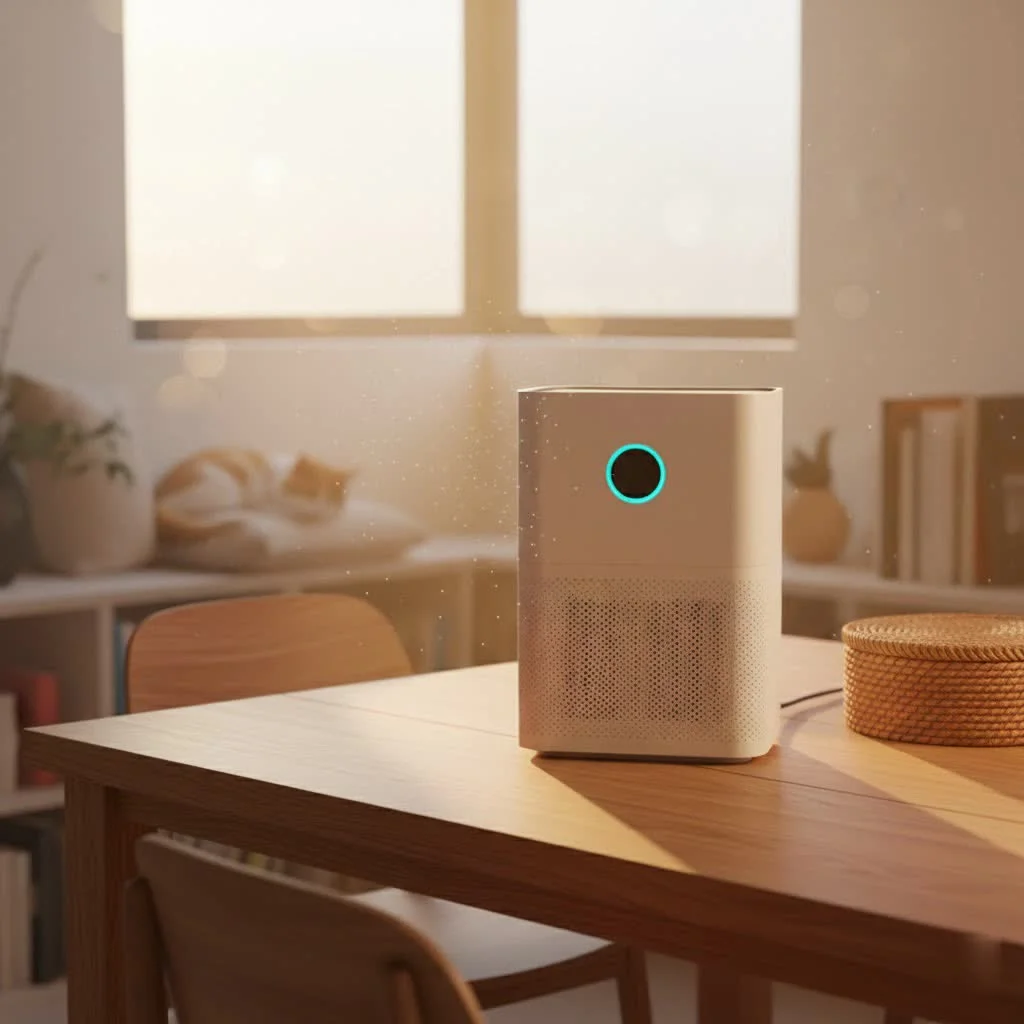
Understanding Air Purifiers: Your Home’s Invisible Guardian
At its core, an air purifier is a device designed to remove contaminants from the air in a room or an entire house. It’s essentially a portable vacuum cleaner for your air, constantly circulating and cleaning it. But how does this magic happen?
An air purifier typically consists of a fan that draws in ambient air and a system of filters. This polluted air passes through these specialized filters, which capture various airborne particles and gaseous pollutants. Once the air is cleaned of these impurities, the fan releases the purified air back into your living space, creating a continuous cycle of fresh, healthy air. This process repeats several times an hour, significantly boosting your indoor air quality.
Decoding Air Purifier Technology: A Look at Filtration Types
Not all air purifiers are created equal, and understanding the different filtration technologies is key to choosing the right one for your needs.
HEPA Filters: The Gold Standard
When it comes to capturing airborne particles, High-Efficiency Particulate Air (HEPA) filters are widely considered the benchmark. A true HEPA filter is designed to trap at least 99.97% of airborne particles as tiny as 0.3 microns. To give you some perspective, this includes common allergens like pollen, pet dander, dust mites, mold spores, and even smoke particles. These filters are made from layers of randomly arranged fibers, which create a dense maze that airborne pollutants simply can’t navigate through. If allergies or asthma are a concern, an air purifier with a true HEPA filter is non-negotiable.
Activated Carbon Filters: Tackling Odors and VOCs
While HEPA filters excel at capturing physical particles, they’re not effective against gases and odors. That’s where activated carbon filters come into play. Made from a porous form of carbon, these filters absorb volatile organic compounds (VOCs)—like those found in paints, cleaning supplies, and new furniture—as well as cooking smells, pet odors, and tobacco smoke. The vast surface area of activated carbon acts like a sponge, trapping gaseous pollutants through a process called adsorption. For homes dealing with persistent smells or chemical sensitivities, an activated carbon filter is an essential component of an effective air purifier.
Other Technologies: Ionizers, UV-C Light, and Electrostatic Precipitators
|
Our Picks for the Best Air Purifier in 2026
As an Amazon Associate I earn from qualifying purchases.
|
||
| Num | Product | Action |
|---|---|---|
| 1 | ECOSELF Smart Air Purifier for Home Large Rooms, with WiFi Control, Covers Up to 2400 Ft², Smart Mode, AQI Display, 22dB Sleep Mode & Aromatherapy with 2X-Power Filtration, HAP603WF, White |

|
| 2 | LEVOIT Air Purifier for Home Allergies Pet Hair in Bedroom, Covers Up to 1073 ft² by 56W High Torque Motor, AHAM VERIFIDE, 3-in-1 Filter with HEPA Sleep Mode, Remove Dust Smoke Odor, Core300-P, White |
|
| 3 | LEVOIT Air Purifier for Home Large Room Up to 1073Ft² with Air Quality Monitor, AHAM VERIFIDE, Smart WiFi, Washable Pre-Filter, HEPA Sleep Mode for Pets, Allergies, Dust, Pollen, Vital 100S-P, White |
|
| 4 | KNKA Air Purifier for Home Bedroom Large Room Up to 3,500 Ft², HEPA Air Cleaner with Washable Pre-Filter, AHAM VERIFIDE, AQI Display, ECO Mode, Pet Mode for Pets, Allergies, Dust, Pollen, APH4000 |
|
| 5 | Air Purifiers for Home Large Room Cover Up to 1500 Ft² with True HEPA Filter, 20dB Sleep Mode, 360° Air Intake & Outlet, Air Cleaner for Bedroom Pets, 7 Color Light, HAP604, Bright White |
|
| 6 | Air Purifiers for Bedroom with H14 True HEPA, Quiet Air Cleaner With Sleep Mode Night Light, Small Air Purifier Covers Up to 1200ft², 360° Air Intake, 3 Speeds, Timer, Aroma Function, Black |
|
| 7 | LEVOIT Air Purifiers for Bedroom Home Dorm, AHAM VERIFIED, 3-in-1 Filter Claener with Fragrance Sponge, Portable Filters Smoke, Allergens, Pet Dander, Odor, Dust, Office, Desktop, Core Mini-P, White |
|
| 8 | Air Purifiers for Home Large Room up to 2200sq.ft with Washable Filters, EVALIT Air Purifiers for Bedroom with Fragrance, PM 2.5 Display Air Quality Sensor for Smoke Dust Odors, White, 1Pack+3Modes |
|
| 9 | LEVOIT Air Purifiers for Home Large Room Up to 1875 Ft² with Washable Pre-Filter, AHAM VERIFIDE, Air Quality Monitor, HEPA Sleep Mode for Allergies, Pet Hair in Bedroom, Vital 200S-P, White |
|
| 10 | Air Purifiers for Home Large Room, Cover Up to 2400 Ft² with True HEPA Filter, Smart Mode, PM2.5 Air Quality Display, 22dB Sleep Mode, Aromatherapy with 2X-Purification & 360°Air Outlet, HAP603, White |
|
Beyond HEPA and activated carbon, you’ll encounter other purification technologies:
- Ionizers (Ionic Filtration): These devices release electrically charged ions into the air. These ions attach to airborne particles, making them heavier so they fall out of the air or are attracted to a charged collection plate. While effective at removing fine particles, some older or poorly designed ionizers can produce ozone, a respiratory irritant. Look for models that specifically state they are ozone-free or use bipolar ionization which is considered safer.
- UV-C Light Sterilization: Ultraviolet-C (UV-C) light is used to destroy biological impurities like bacteria, viruses, and mold by disrupting their DNA. Often combined with HEPA filters, UV-C light adds an extra layer of defense, particularly useful in environments where airborne pathogens are a concern. It’s important to note that the effectiveness depends on exposure time and light intensity.
- Electrostatic Precipitators: These systems use an ionization section to charge airborne pollutants, which are then trapped on oppositely charged plates. Similar to ionizers, they are efficient at capturing both large and fine particles, but some can also produce ozone.
Your Buying Guide: Smart Choices for Cleaner Air
Choosing the best air purifier can feel overwhelming with so many options available. Here’s what our experts at Rlmex.com recommend you consider:
Room Size Matters: CADR and ACH Explained
The effectiveness of an air purifier hinges on its ability to clean the air in a specific space. This is where two key ratings come in:
- Clean Air Delivery Rate (CADR): This metric, established by the Association of Home Appliance Manufacturers (AHAM), indicates how quickly an air purifier removes pollutants like smoke, pollen, and dust from a room. The higher the CADR number for a specific pollutant, the faster and more effectively the device cleans the air.
- Air Changes per Hour (ACH): This rating tells you how many times the air in a room is completely filtered by the purifier within one hour. For general use, an ACH of 2-3 is adequate, but for those with allergies or asthma, an ACH of 4x or higher is recommended to ensure optimal air purification.
To choose the right size, measure your room’s square footage and match it to the air purifier’s stated coverage area and CADR/ACH ratings. Buying a unit too small for your space means it won’t effectively clean the air, while an oversized unit might be overkill and inefficient.
Noise Levels: Keeping the Peace
An air purifier designed for a bedroom or office should operate quietly. Check the decibel (dB) rating in the technical specifications. Many modern air purifiers offer different fan speeds, with lower settings being nearly silent, ideal for continuous overnight use. Typically, a noise level of 30-40 dB is comparable to a whisper or quiet room, while 50-60 dB is similar to normal conversation.
Maintenance & Running Costs: Filters and Energy Efficiency
An air purifier’s cost doesn’t end with the initial purchase. Factor in:
- Replacement Filters: Filters need regular replacement or cleaning to maintain efficiency. Some filters last a few months, others up to a year. Check filter costs and availability before committing. Many advanced systems feature multi-layer filters that simplify replacement.
- Energy Consumption: Since air purifiers are most effective when run continuously, energy efficiency is important. Look for models with an Energy Star label, indicating they meet strict energy efficiency guidelines and can save you money on electricity bills while still filtering the air effectively.
Smart Features & Design: What to Look For
Modern air purifiers come with a host of convenient features:
- Filter Change Indicator: No more guessing! This light alerts you precisely when it’s time to clean or replace a filter, ensuring optimal performance.
- Air Quality Sensors and Auto Mode: Higher-end models can monitor real-time air quality and automatically adjust fan speed based on detected pollutant levels, optimizing both purification and energy use.
- Remote Control & Wi-Fi Connectivity: Control your air purifier from your couch or even your smartphone app, offering unparalleled convenience.
- Portability: If you plan to move the unit between rooms, look for lightweight models with handles or wheels.
Maximizing Your Air Purifier’s Performance and Longevity
Owning an air purifier is just the first step. To ensure it works effectively and lasts for years, proper usage and maintenance are paramount.
Optimal Placement: Location, Location, Location
Where you place your air purifier significantly impacts its efficiency. Position it in a central spot within the room, away from walls and large furniture that could obstruct airflow. This allows the unit to draw in and distribute purified air across the entire space. Avoid placing it in corners or against curtains, which can hinder circulation.
Filter Care: The Key to Efficiency
Filters are the workhorses of your air purifier, and they need regular attention. Over time, trapped pollutants will clog filters, reducing their effectiveness and forcing the unit to work harder. Follow the manufacturer’s guidelines for cleaning pre-filters (often washable) and replacing main HEPA and activated carbon filters (typically every 6-12 months). A clogged filter is an inefficient filter, and neglecting it can lead to diminished air quality and increased energy consumption.
Run Time: Continuous Operation for Best Results
For the most consistent and effective air purification, run your air purifier continuously, 24/7. Indoor air pollution is a constant issue, with new particles and gases being introduced from cooking, pets, cleaning products, and even outdoor infiltration. Leaving your air purifier on ensures it’s always working to remove these contaminants. If you’re concerned about noise or energy use, simply switch it to a lower, quieter setting when you’re in the room or during the night. Many experts even suggest placing an air purifier in your bedroom, as we spend a significant portion of our lives sleeping, making clean bedroom air crucial for restorative rest.
The Tangible Benefits: How Air Purifiers Boost Your Health
The real payoff of an air purifier is the profound impact it can have on your health and overall well-being.
Allergy and Asthma Relief
For millions of individuals, indoor allergens are a constant source of discomfort. An air purifier, especially one with a true HEPA filter, drastically reduces airborne triggers like pollen, pet dander, dust mites, and mold spores. By continuously filtering these irritants, air purifiers can significantly alleviate allergy symptoms such as sneezing, congestion, and itchy eyes. Similarly, by reducing fine particulate matter (PM2.5) and other asthma triggers, these devices can help lessen the frequency and severity of asthma symptoms, leading to easier breathing and a better quality of life.
Combating Airborne Illnesses
In an age where airborne diseases are a significant concern, air purifiers offer an added layer of protection. HEPA filters are capable of capturing infectious particles, including many bacteria and viruses, which helps to reduce their transmission in enclosed spaces. While not a standalone solution, integrating an air purifier into your home can contribute to a healthier environment, supporting your immune function and potentially decreasing the risk of respiratory infections.
Eliminating VOCs and Chemical Pollutants
Our homes, surprisingly, can be sources of numerous harmful chemical pollutants, including VOCs released from everyday products like cleaning supplies, air fresheners, furniture, and even building materials. Long-term exposure to these chemicals can lead to headaches, nausea, and more serious health issues. Air purifiers equipped with activated carbon filters are highly effective at adsorbing these gaseous pollutants, leading to fresher, safer indoor air and protecting your family from potentially dangerous long-term exposure.
Improving Sleep Quality and Overall Well-being
Imagine a night without tossing and turning due to irritated sinuses or a persistent cough. By removing allergens and irritants from your bedroom air, an air purifier can significantly improve your sleep quality. Better sleep, in turn, contributes to enhanced cognitive function, improved mood, and a stronger immune system, leading to a noticeable boost in your overall well-being. Cleaner air simply allows your body to function at its best.
Protecting Against Particulate Matter (PM2.5)
Fine particulate matter, often referred to as PM2.5, is a significant concern for respiratory and cardiovascular health. These microscopic particles, originating from sources like smoke, pollution, and cooking, are small enough to penetrate deep into your lungs and even enter your bloodstream. Air purifiers with high-efficiency filtration are crucial in reducing PM2.5 concentrations, which can lower inflammation and cardiovascular stress, particularly beneficial for individuals with existing respiratory or heart conditions.
Expert Insights from Rlmex.com
“Choosing an air purifier is an investment in your health, not just a gadget purchase,” advises Dr. Evelyn Reed, a leading environmental health specialist and Rlmex.com’s chief air quality expert. “My 10 years in the field have shown me that while the technology can seem complex, the principles are simple: consistent filtration of airborne pollutants fundamentally improves the quality of life. Always prioritize true HEPA filtration for particles and activated carbon for gases and odors, and remember that consistent use is paramount. Your lungs will thank you.”
Conclusion
The journey to cleaner indoor air is a vital one, and an air purifier is an invaluable ally in this quest. From understanding the nuances of filtration technologies like HEPA and activated carbon to making informed decisions based on CADR, ACH, and energy efficiency, you now have the knowledge to confidently select a device that fits your home and lifestyle. By embracing smart usage and diligent maintenance, your air purifier will tirelessly work to remove allergens, pollutants, and odors, fostering a healthier environment for you and your family. Don’t just breathe; breathe truly fresh air. Explore more in-depth guides and expert reviews at Rlmex.com to further empower your journey to optimal indoor air quality.
Frequently Asked Questions
What is the primary function of an air purifier?
An air purifier's primary function is to remove contaminants from the air in a room or an entire house. It uses a fan to draw in ambient air and passes it through a system of specialized filters, releasing purified air back into the living space. This process significantly boosts indoor air quality by removing airborne particles and gaseous pollutants.
How effective are HEPA filters in air purifiers?
True HEPA filters are highly effective, designed to trap at least 99.97% of airborne particles as tiny as 0.3 microns. This includes common allergens like pollen, pet dander, dust mites, mold spores, and smoke particles. They are considered the gold standard for capturing physical airborne particles.
What do activated carbon filters remove from the air?
Activated carbon filters are essential for tackling gases and odors that HEPA filters cannot capture. They absorb volatile organic compounds (VOCs) from sources like paints and cleaning supplies, as well as cooking smells, pet odors, and tobacco smoke. The porous carbon acts like a sponge, trapping gaseous pollutants through adsorption.
What do CADR and ACH ratings mean for air purifiers?
CADR (Clean Air Delivery Rate) indicates how quickly an air purifier removes pollutants like smoke, pollen, and dust from a room; a higher number means faster cleaning. ACH (Air Changes per Hour) tells you how many times the air in a room is completely filtered per hour. For general use, an ACH of 2-3 is adequate, while 4x or higher is recommended for allergy or asthma sufferers.
How often should air purifier filters be replaced?
Air purifier filters need regular replacement or cleaning to maintain efficiency, typically every 6-12 months for main HEPA and activated carbon filters. Pre-filters are often washable and can be cleaned more frequently. Following the manufacturer's guidelines is crucial to ensure optimal performance and prevent diminished air quality.
Can air purifiers help with allergy and asthma symptoms?
Yes, air purifiers, especially those with true HEPA filters, can significantly alleviate allergy and asthma symptoms. They drastically reduce airborne triggers like pollen, pet dander, dust mites, and mold spores. By continuously filtering these irritants and fine particulate matter (PM2.5), these devices help lessen the frequency and severity of symptoms, leading to easier breathing.
How to Choose and Use an Air Purifier
This guide provides steps to select the right air purifier for your needs and maintain it for optimal performance and longevity.
Familiarize yourself with different filter types. Prioritize true HEPA filters for capturing 99.97% of particles like pollen and pet dander, and activated carbon filters for absorbing gases, odors, and VOCs. Other technologies like ionizers or UV-C light can offer additional benefits but should be chosen carefully.
Measure your room's square footage and compare it to the air purifier's stated coverage area. Check the Clean Air Delivery Rate (CADR) for how quickly it cleans pollutants and Air Changes per Hour (ACH) for how often air is filtered. Aim for an ACH of 4x or higher for allergy or asthma concerns.
Look for models with a low decibel (dB) rating, especially for bedrooms, with 30-40 dB being ideal for quiet operation. Factor in the cost and availability of replacement filters, which typically last 6-12 months. Choose Energy Star certified models to save on electricity bills.
Place your air purifier in a central spot in the room, away from walls and furniture to ensure unobstructed airflow. For consistent and effective air purification, run the unit continuously, 24/7. Use lower, quieter settings during the night or when in the room if noise is a concern.
Follow the manufacturer's guidelines for cleaning pre-filters and replacing main HEPA and activated carbon filters. Clogged filters reduce efficiency and increase energy consumption. Regular maintenance ensures optimal performance and extends the lifespan of your air purifier.
Get our weekly buyer guide
Practical specs, not advice. Unsubscribe anytime.
I got a smaller Levoit core 300 for my home office, and while it does seem to help with dust, I wish it had a stronger fan. On the highest setting, it’s a bit too loud for calls, and on lower settings, I’m not sure it’s circulating enough air for the whole room. It’s okay for the price, but next time I might go for something with more power.
My car always smelled a bit stale, especially after driving with the windows down. I picked up a small car air purifier, and it’s been a game-changer. It really helps with the lingering pet odors from my dog and just generally makes the air feel fresher. I didn’t realize how much of a difference it would make in such a small space.
I’ve been using the Coway Airmega 200M for a few months now, and it’s made a huge difference in my allergies. I used to wake up with a stuffy nose every morning, but since getting this unit, I’ve noticed a significant improvement. It’s quiet and the filter changes are super easy. Definitely worth the investment for cleaner air.
I’m really sensitive to dust and pollen, and I’ve been looking into HEPA filters for a while. I finally got a Blueair unit for my bedroom, and it’s been great. My sleep has improved, and I don’t wake up sneezing anymore. The only reason it’s not a 5 is that the replacement filters are a bit pricey, but I guess that’s the cost of good air quality.