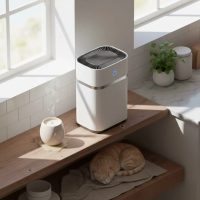
Ever wonder what’s truly floating in your indoor air? Beyond the dust bunnies and pet dander you can see, there’s a whole invisible world of tiny invaders – bacteria, viruses, and mold spores – constantly circulating. While traditional air purifiers do a great job of capturing these particles, an ultraviolet air purifier takes a different approach, using the very power of light to neutralize these microscopic threats. At Rlmex, we’ve spent over a decade diving deep into air purification technology, and we’re here to shed light on how these innovative devices can be a game-changer for your home’s air quality.
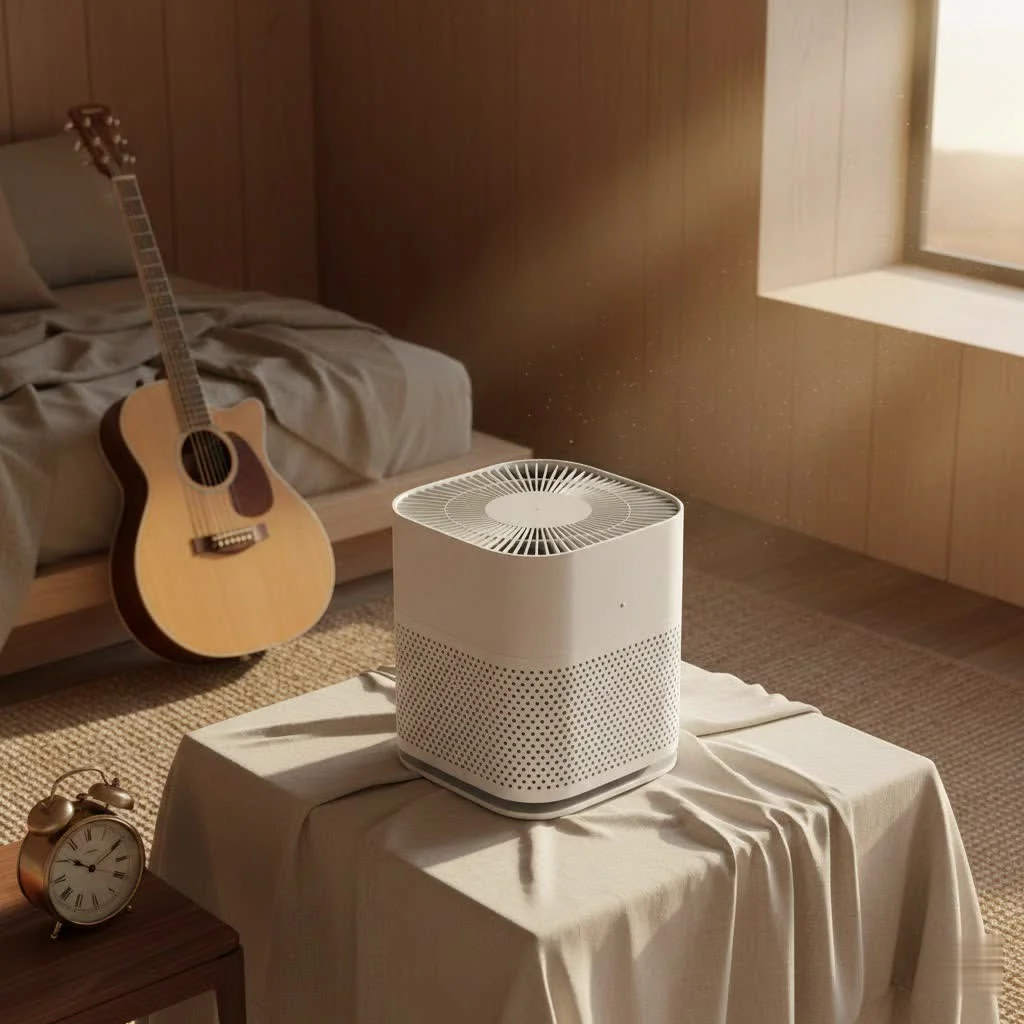
What is an Ultraviolet Air Purifier and How Does It Work?
An ultraviolet air purifier is a device that utilizes germicidal ultraviolet (UV-C) light to deactivate or destroy airborne biological contaminants. Unlike standard filters that physically trap particles, UV air purifiers tackle the problem at a microscopic level. For expert air purifiers reviews on this site.
The Science Behind the Glow: How UV-C Light Works
Ultraviolet light is a spectrum of electromagnetic radiation, and specifically, UV-C light possesses germicidal properties. When microorganisms like bacteria, viruses, and mold spores are exposed to UV-C light, the high-energy photons penetrate their cell walls and damage their DNA and RNA. This cellular disruption prevents them from reproducing and spreading, effectively rendering them harmless.
In essence, here’s the process:
- Air Circulation: Your air purifier draws in indoor air from the room.
- UV Exposure: The air then passes through a sealed chamber containing UV-C lamps.
- Microorganism Neutralization: As the airborne pathogens are exposed to the intense UV-C light, their genetic material is compromised.
- Cleaner Air Output: The treated air, now significantly freer of live microorganisms, is then released back into your living space.
Many modern ultraviolet air purifiers integrate UV-C technology with other filtration methods, such as HEPA filters or activated carbon filters, to provide a multi-layered defense against a wider range of pollutants.
The Unseen Benefits: Why You Might Need a UV Air Purifier
While not a standalone solution for all air quality issues, a UV air purifier offers several compelling benefits that can significantly improve your home environment.
Targeting the Tiny Threats: Viruses, Bacteria, and Mold
Why are UV air purifiers so effective against these microscopic invaders?
UV-C light is highly efficient at neutralizing biological contaminants that are too small for many traditional filters to catch. This means a UV air purifier can help reduce the presence of airborne bacteria and viruses, which are often the culprits behind seasonal illnesses and allergies.
By deactivating these pathogens, UV purifiers play a crucial role in minimizing the spread of airborne illnesses within your home. They don’t just trap them; they destroy their ability to reproduce, offering an additional layer of protection, especially during flu season or when someone in the household is sick.
Boosting Your HVAC System’s Health
|
Our Picks for the Best Air Purifier in 2026
As an Amazon Associate I earn from qualifying purchases.
|
||
| Num | Product | Action |
|---|---|---|
| 1 | Air Purifiers for Home Large Room Cover Up to 1500 Ft² with True HEPA Filter, 20dB Sleep Mode, 360° Air Intake & Outlet, Air Cleaner for Bedroom Pets, 7 Color Light, HAP604, Bright White |

|
| 2 | KNKA Air Purifier for Home Bedroom Large Room Up to 3,500 Ft², HEPA Air Cleaner with Washable Pre-Filter, AHAM VERIFIDE, AQI Display, ECO Mode, Pet Mode for Pets, Allergies, Dust, Pollen, APH4000 |
|
| 3 | LEVOIT Air Purifiers for Home Large Room Up to 1875 Ft² with Washable Pre-Filter, AHAM VERIFIDE, Air Quality Monitor, HEPA Sleep Mode for Allergies, Pet Hair in Bedroom, Vital 200S-P, White |
|
| 4 | Air Purifiers for Home Large Room, Cover Up to 2400 Ft² with True HEPA Filter, Smart Mode, PM2.5 Air Quality Display, 22dB Sleep Mode, Aromatherapy with 2X-Purification & 360°Air Outlet, HAP603, White |
|
| 5 | ECOSELF Smart Air Purifier for Home Large Rooms, with WiFi Control, Covers Up to 2400 Ft², Smart Mode, AQI Display, 22dB Sleep Mode & Aromatherapy with 2X-Power Filtration, HAP603WF, White |
|
| 6 | Air Purifiers for Bedroom with H14 True HEPA, Quiet Air Cleaner With Sleep Mode Night Light, Small Air Purifier Covers Up to 1200ft², 360° Air Intake, 3 Speeds, Timer, Aroma Function, Black |
|
| 7 | LEVOIT Air Purifier for Home Allergies Pet Hair in Bedroom, Covers Up to 1073 ft² by 56W High Torque Motor, AHAM VERIFIDE, 3-in-1 Filter with HEPA Sleep Mode, Remove Dust Smoke Odor, Core300-P, White |
|
| 8 | Air Purifiers for Home Large Room up to 2200sq.ft with Washable Filters, EVALIT Air Purifiers for Bedroom with Fragrance, PM 2.5 Display Air Quality Sensor for Smoke Dust Odors, White, 1Pack+3Modes |
|
| 9 | LEVOIT Air Purifiers for Bedroom Home Dorm, AHAM VERIFIED, 3-in-1 Filter Claener with Fragrance Sponge, Portable Filters Smoke, Allergens, Pet Dander, Odor, Dust, Office, Desktop, Core Mini-P, White |
|
| 10 | LEVOIT Air Purifier for Home Large Room Up to 1073Ft² with Air Quality Monitor, AHAM VERIFIDE, Smart WiFi, Washable Pre-Filter, HEPA Sleep Mode for Pets, Allergies, Dust, Pollen, Vital 100S-P, White |
|
Beyond purifying the air you breathe, UV lights can also protect your home’s heating, ventilation, and air conditioning (HVAC) system. Mold and mildew can thrive in the dark, moist conditions of HVAC coils and ductwork, leading to reduced efficiency and unpleasant odors.
How does a UV air purifier enhance HVAC efficiency?
When installed within your ductwork, UV-C lamps continuously irradiate coils and internal surfaces, preventing the growth of mold, bacteria, and other biological contaminants. A cleaner HVAC system means improved airflow, less strain on components, and potentially lower energy bills. It’s like an internal sanitation crew working tirelessly to keep your system running smoothly and extending its lifespan.
Contributing to Overall Indoor Air Quality
While UV technology primarily targets biological contaminants, its impact on reducing these elements contributes to a fresher, cleaner-smelling indoor environment. By breaking down the very source of some odors – such as those caused by mold or bacteria – UV purifiers can help alleviate musty smells, leaving your home feeling more inviting.
Important Considerations: Navigating the Nuances of UV Purification
While the benefits are clear, it’s essential to understand the full picture before investing in an ultraviolet air purifier. No single technology is a magic bullet for all air quality issues.
What They DON’T Do: Particulates, VOCs, and Odors
Do UV air purifiers remove dust or pet dander?
This is a common misconception. UV air purifiers are designed to neutralize living microorganisms, not remove inert particles. They do not effectively capture dust, pollen, pet dander, or other allergens. Similarly, they are not effective at eliminating volatile organic compounds (VOCs) from chemicals found in paints, cleaning supplies, or furnishings, nor do they directly remove common household odors like cooking smells or smoke. For these pollutants, you’ll need the robust filtration of HEPA and activated carbon filters.
The Ozone Factor: A Critical Safety Concern
Are all UV air purifiers safe from ozone production?
Unfortunately, some UV air purifiers can produce ozone (O3), a gas that, while naturally present in the Earth’s upper atmosphere, is an air pollutant at ground level. Ozone can irritate the lungs and airways, exacerbating respiratory conditions like asthma and chronic bronchitis. The Environmental Protection Agency (EPA) strongly advises against air purifiers that intentionally emit ozone. When considering a UV air purifier, always look for models explicitly certified as ozone-free. This ensures you’re enhancing your air quality without inadvertently introducing harmful pollutants.
The Power of Combination: Comprehensive Air Purification
Given their specific functionality, the most effective ultraviolet air purifiers are often those that integrate UV-C technology with other filtration methods.
Why is a combined filtration system often the best choice?
A system that pairs UV-C light with a True HEPA filter will capture microscopic particles like dust, pollen, and pet dander, while the UV-C component deactivates airborne bacteria and viruses. Adding an activated carbon filter will then tackle gases, chemicals, and odors. This multi-stage approach ensures you’re addressing the broadest spectrum of indoor air pollutants, offering truly comprehensive air purification.
Maintenance: Keeping the Light Strong
Like any appliance, a UV air purifier requires some basic maintenance. The UV-C bulbs have a finite lifespan, typically needing replacement every 12 to 24 months, depending on usage and model. Over time, the intensity of the UV-C light diminishes, reducing its germicidal effectiveness. Ignoring bulb replacement means your purifier won’t be doing its job properly.
Choosing the Right Ultraviolet Air Purifier for Your Home
Selecting the ideal air purifier can feel overwhelming, but focusing on key factors will help you make an informed decision.
- Room Size (CADR): Always match the purifier’s Clean Air Delivery Rate (CADR) to your room’s square footage. An undersized unit won’t be effective.
- Integrated vs. Standalone: Decide if you want a standalone unit for a specific room or a system integrated into your home’s HVAC for whole-house purification.
- Combined Filtration: Prioritize models that combine UV-C with True HEPA and activated carbon filters for the most comprehensive pollutant removal.
- Ozone-Free Certification: This is non-negotiable for safety. Ensure the product explicitly states it does not produce ozone.
- Noise Level: While many UV purifiers operate quietly, especially in-duct models, standalone units vary. Check decibel ratings if noise is a concern.
Maximizing Effectiveness: Usage and Maintenance Tips
To ensure your ultraviolet air purifier delivers optimal performance and longevity, follow these practical tips:
- Placement Matters: For standalone units, place them in areas with good airflow, away from obstructions, to allow for efficient air intake and distribution.
- Regular Filter Checks (if applicable): If your UV purifier includes pre-filters, HEPA, or carbon filters, adhere to the manufacturer’s recommendations for cleaning or replacement. Clogged filters impede airflow and reduce overall efficiency.
- Timely UV Bulb Replacement: Mark your calendar for UV-C bulb replacement. Even if the light appears to be working, its germicidal intensity degrades over time. Consult your manual for the recommended replacement schedule, typically every 1-2 years.
- Keep it Clean: Periodically wipe down the exterior of your unit to prevent dust buildup, ensuring optimal performance and aesthetics.
Expert Insights: The Rlmex Perspective
“In my ten years witnessing the evolution of air purification, I’ve seen firsthand how UV-C technology has matured into a powerful ally against airborne pathogens,” says Marcus Chen, Lead Air Quality Specialist at Rlmex. “However, the real magic happens when UV is thoughtfully integrated with other filtration methods. A standalone UV light is like having a goalkeeper without defenders; it’s good, but a comprehensive team is unbeatable. Always look for systems that offer multi-stage filtration, combining the germ-killing power of UV with the particle-trapping efficiency of HEPA and the odor-absorbing capabilities of activated carbon. That’s how you truly elevate your indoor air quality to an optimal level.”
Conclusion
An ultraviolet air purifier can be a powerful addition to your strategy for creating a healthier indoor environment, excelling at neutralizing the microscopic biological threats that often go unnoticed. By understanding how UV-C light works, its unique benefits in targeting viruses, bacteria, and mold, and its limitations concerning particulates and VOCs, you’re empowered to make a smart choice. Remember to prioritize ozone-free models and consider a multi-stage filtration system for the most comprehensive protection. With the right ultraviolet air purifier and consistent maintenance, you can breathe easier, knowing you’ve invested in a cleaner, safer home for yourself and your loved ones. Take control of your indoor air quality today and experience the difference that truly purified air can make.
Get our weekly buyer guide
Practical specs, not advice. Unsubscribe anytime.