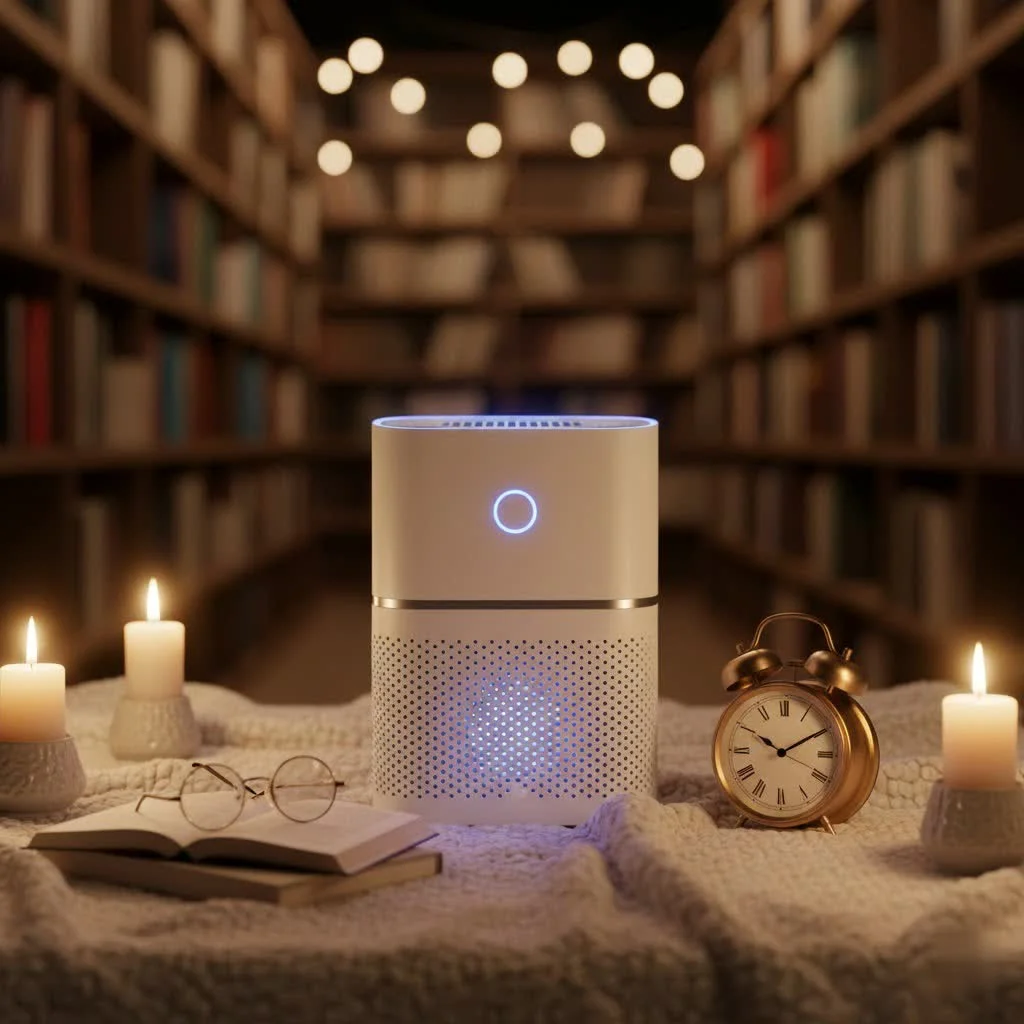
An air purifier for cigarette smoke is an essential device that effectively removes both particulate matter and noxious gases from indoor air, significantly improving air quality and reducing health risks. These purifiers typically employ a multi-stage filtration system, including a True HEPA filter to capture 99.97% of microscopic particles like tar and nicotine, and a substantial activated carbon filter to adsorb harmful Volatile Organic Compounds (VOCs) and eliminate lingering odors. This dual-action approach is crucial for combating the complex composition of cigarette smoke.
Understanding the Unseen Enemy: What Makes Cigarette Smoke So Stubborn?
Cigarette smoke is more than just visible plumes; it’s a complex and dangerous mix. It consists of two main components that make it particularly challenging for air purifiers: For expert air purifiers reviews on this site.
- Particulate Matter (PM): These are tiny solid and liquid particles, including tar, nicotine, and soot. These particles are incredibly small, often less than 2.5 microns (PM2.5), meaning they can stay airborne for hours and penetrate deep into your lungs. A standard True HEPA filter is specifically designed to trap these microscopic menaces.
- Gases and Volatile Organic Compounds (VOCs): This is where the notorious “cigarette smell” comes from, along with hundreds of harmful chemicals like formaldehyde, benzene, and ammonia. These are gaseous pollutants that HEPA filters alone cannot capture. This is where activated carbon comes into play.
Prolonged exposure to secondhand smoke (SHS) can lead to serious health issues, including respiratory infections, asthma, heart disease, and various cancers. Even “thirdhand smoke,” the residue left on surfaces, poses health risks, especially to children and pets. This dual threat of particles and gases demands a powerful, multi-stage filtration solution.
The Filtration Powerhouse: How Air Purifiers Tackle Cigarette Smoke
For an air purifier to be truly effective against cigarette smoke, it needs a robust, multi-stage filtration system that specifically targets both particulate matter and gaseous pollutants.
Pre-Filters: Your First Line of Defense
Located at the very beginning of the filtration process, pre-filters are designed to capture larger airborne particles like dust, pet hair, and lint. This initial stage protects the more delicate HEPA and carbon filters, extending their lifespan and ensuring optimal performance. Regularly cleaning or replacing the pre-filter is a simple yet crucial maintenance step for any air purifier, especially when dealing with heavy smoke.
True HEPA Filters: Trapping the Invisible Particles
A True HEPA (High-Efficiency Particulate Air) filter is non-negotiable for smoke removal. These filters are engineered to capture 99.97% of airborne particles as small as 0.3 microns. Think of them as a dense mesh that physically traps the tiny bits of tar, nicotine, and other fine particulates in cigarette smoke. Without a True HEPA filter, your air purifier simply won’t be able to effectively remove the physical components of smoke that irritate your lungs and contribute to poor air quality.
Activated Carbon Filters: The Odor & VOC Eliminator
|
Our Picks for the Best Air Purifier in 2026
As an Amazon Associate I earn from qualifying purchases.
|
||
| Num | Product | Action |
|---|---|---|
| 1 | ECOSELF Smart Air Purifier for Home Large Rooms, with WiFi Control, Covers Up to 2400 Ft², Smart Mode, AQI Display, 22dB Sleep Mode & Aromatherapy with 2X-Power Filtration, HAP603WF, White |

|
| 2 | LEVOIT Air Purifiers for Bedroom Home Dorm, AHAM VERIFIED, 3-in-1 Filter Claener with Fragrance Sponge, Portable Filters Smoke, Allergens, Pet Dander, Odor, Dust, Office, Desktop, Core Mini-P, White |
|
| 3 | KNKA Air Purifier for Home Bedroom Large Room Up to 3,500 Ft², HEPA Air Cleaner with Washable Pre-Filter, AHAM VERIFIDE, AQI Display, ECO Mode, Pet Mode for Pets, Allergies, Dust, Pollen, APH4000 |
|
| 4 | Air Purifiers for Bedroom with H14 True HEPA, Quiet Air Cleaner With Sleep Mode Night Light, Small Air Purifier Covers Up to 1200ft², 360° Air Intake, 3 Speeds, Timer, Aroma Function, Black |
|
| 5 | Air Purifiers for Home Large Room Cover Up to 1500 Ft² with True HEPA Filter, 20dB Sleep Mode, 360° Air Intake & Outlet, Air Cleaner for Bedroom Pets, 7 Color Light, HAP604, Bright White |
|
| 6 | LEVOIT Air Purifier for Home Allergies Pet Hair in Bedroom, Covers Up to 1073 ft² by 56W High Torque Motor, AHAM VERIFIDE, 3-in-1 Filter with HEPA Sleep Mode, Remove Dust Smoke Odor, Core300-P, White |
|
| 7 | LEVOIT Air Purifiers for Home Large Room Up to 1875 Ft² with Washable Pre-Filter, AHAM VERIFIDE, Air Quality Monitor, HEPA Sleep Mode for Allergies, Pet Hair in Bedroom, Vital 200S-P, White |
|
| 8 | LEVOIT Air Purifier for Home Large Room Up to 1073Ft² with Air Quality Monitor, AHAM VERIFIDE, Smart WiFi, Washable Pre-Filter, HEPA Sleep Mode for Pets, Allergies, Dust, Pollen, Vital 100S-P, White |
|
| 9 | Air Purifiers for Home Large Room up to 2200sq.ft with Washable Filters, EVALIT Air Purifiers for Bedroom with Fragrance, PM 2.5 Display Air Quality Sensor for Smoke Dust Odors, White, 1Pack+3Modes |
|
| 10 | Air Purifiers for Home Large Room, Cover Up to 2400 Ft² with True HEPA Filter, Smart Mode, PM2.5 Air Quality Display, 22dB Sleep Mode, Aromatherapy with 2X-Purification & 360°Air Outlet, HAP603, White |
|
While True HEPA filters handle particles, activated carbon filters are the heroes against odors and harmful gases. Activated carbon is a porous material with millions of tiny pores that work through a process called adsorption. Unlike absorption, where pollutants are soaked in, adsorption means gases and odors chemically bond to the surface of the carbon. For cigarette smoke, which is rich in VOCs like formaldehyde and a host of odor-causing compounds, a substantial activated carbon filter is absolutely vital. Look for models with thick, pelletized activated carbon rather than thin, granular layers for superior odor and chemical removal.
Beyond the Core: Supplementary Technologies
Some air purifiers include additional technologies like ionizers or UV-C lights. While ionizers can help larger particles clump together, making them easier for filters to capture, some can produce ozone, which is an airway irritant. UV-C lights are typically for germ killing and have minimal impact on smoke particles or odors. For cigarette smoke, prioritize the HEPA and activated carbon stages above all else.
Choosing Your Champion: Key Factors for an Air Purifier for Cigarette Smoke
Selecting the right air purifier means considering several critical factors to ensure it can effectively tackle the unique challenges of cigarette smoke.
CADR (Clean Air Delivery Rate): Focus on Smoke
The CADR rating measures how quickly an air purifier removes pollutants from a room. It’s often listed for smoke, pollen, and dust. For cigarette smoke, always look at the smoke CADR specifically. A higher CADR means faster cleaning. Aim for a smoke CADR that is at least two-thirds of your room’s square footage, but for heavy smoke, even higher is better.
Room Size and ACH (Air Changes Per Hour): More is Better
Air purifiers are rated for specific room sizes. For cigarette smoke, it’s generally recommended to choose a model that provides at least 4-5 Air Changes per Hour (ACH) for the room you intend to purify. This means the purifier can filter all the air in that room 4-5 times every hour. If you have active smoking or very persistent smoke, aiming for 5 ACH or even more ensures rapid and thorough air cleaning. Always measure your room and compare it to the purifier’s recommended coverage.
Filter Type and Quality: The Heart of the Machine
As discussed, a True HEPA filter for particles and a robust activated carbon filter for odors and gases are non-negotiable. Don’t settle for “HEPA-like” or “HEPA-type” filters, as these don’t meet the True HEPA standard. For activated carbon, more is definitely better. Look for purifiers with several pounds of activated carbon, ideally in granular or pelletized form, rather than a thin mesh infused with carbon.
Noise Level: For Continuous Comfort
Air purifiers need to run continuously to be effective against ongoing smoke. Therefore, noise level is a significant factor, especially if the unit will be in a bedroom or living area. Check the decibel (dB) rating; lower numbers mean quieter operation. Many modern purifiers offer a “sleep mode” or low-fan settings that are much quieter.
Filter Replacement Costs and Frequency: The Ongoing Investment
Filters need regular replacement, and for heavy cigarette smoke, you might need to change them more frequently than the manufacturer’s recommendations for general dust and allergens. Research the cost and availability of replacement filters before you buy. This ongoing expense is a crucial part of the total cost of ownership.
Smart Features and Sensors: Convenience and Efficiency
Many contemporary air purifiers come with smart features. An air quality sensor can detect pollutants and automatically adjust fan speed, saving energy and ensuring effective cleaning. App control allows you to monitor air quality and control the unit from your phone, while a filter indicator reminds you when it’s time for a change.
Top Air Purifier Features for Tackling Cigarette Smoke
Beyond the basics, certain features truly elevate an air purifier’s effectiveness against tough cigarette smoke.
- Heavy-Duty Activated Carbon: This can’t be stressed enough. Look for models explicitly stating they have a large amount (e.g., several pounds) of activated carbon, preferably in pellet form, specifically designed for VOC and odor removal. A simple carbon pre-filter isn’t enough for cigarette smoke.
- Sealed Filtration System: A well-designed air purifier will have a sealed system, meaning air flows only through the filters and not around them. This prevents unfiltered smoke from escaping back into your room.
- High Airflow Design: Units engineered for maximum airflow can process more air quickly, which is essential for rapidly clearing smoke. This often correlates with a good CADR rating.
- Specialized Smoke Filters: Some brands offer specific filters tailored for smoke and VOC removal, often with enhanced activated carbon layers. These can be a worthwhile upgrade.
Maintaining Your Air Purifier for Optimal Smoke Removal
An air purifier is only as good as its maintenance. Especially with cigarette smoke, regular care is paramount.
- Change Filters Regularly: For cigarette smoke, you will likely need to change your HEPA and activated carbon filters more frequently than recommended for general use, perhaps every 3-6 months instead of 6-12 months, depending on the smoke intensity. A clogged filter loses efficiency rapidly.
- Clean Pre-Filters: Washable pre-filters should be cleaned every 2-4 weeks to maintain airflow and protect the main filters.
- Strategic Placement: Place your air purifier where air circulation is good, ideally not directly against a wall. If smoke is entering from a specific area, placing it closer to that source can be beneficial. Running it continuously, especially during and after smoking, is most effective.
Real-Life Impact: The Benefits of a Clean Air Environment
Investing in a quality air purifier for cigarette smoke brings tangible benefits that go far beyond just “fresher air.”
- Improved Respiratory Health: Reducing airborne particles and gases can significantly alleviate symptoms for those with asthma, allergies, or other respiratory sensitivities, and generally improve lung health for everyone in the home.
- Elimination of Lingering Odors: A robust activated carbon filter means saying goodbye to that stale, persistent cigarette smell that permeates your home.
- Reduced Thirdhand Smoke Residue: While purifiers can’t entirely remove thirdhand smoke from surfaces, they can prevent new residue from settling, making your home a healthier place.
- Overall Better Indoor Air Quality: Beyond smoke, a good air purifier will also tackle dust, pollen, pet dander, and other common indoor pollutants, creating a healthier living space.
Expert Insight
“When battling cigarette smoke, the synergy of a true HEPA filter for particulates and a generous, high-quality activated carbon filter for gases and odors is non-negotiable. Don’t compromise on either; both are vital for comprehensive smoke remediation,” advises Dr. Anya Sharma, a renowned environmental health specialist with over a decade of experience in indoor air quality. Her expertise underscores the critical need for a multi-faceted approach to truly cleanse the air.
Frequently Asked Questions About Air Purifiers for Cigarette Smoke
Can an air purifier completely remove cigarette smoke?
While an air purifier with True HEPA and activated carbon filters can significantly reduce and often eliminate the vast majority of smoke particles, odors, and VOCs, complete removal depends on the smoke source, room size, and purifier’s power. For best results, consistent operation and proper sizing are crucial.
How long does it take for an air purifier to remove smoke?
The time it takes varies widely based on the purifier’s CADR, room size, and smoke intensity. High-performance models designed for smoke can significantly improve air quality in 30-60 minutes, with some claiming to clear a smoky room in less than 15 minutes.
What’s the difference between a HEPA and a carbon filter for smoke?
A True HEPA filter captures microscopic solid particles like tar and nicotine. An activated carbon filter, on the other hand, adsorbs gaseous pollutants, VOCs, and the unpleasant odors associated with cigarette smoke. Both are essential for comprehensive smoke removal.
Are ionizers safe for smoke removal?
Some ionizers can produce ozone, which is a lung irritant and can be harmful, especially for those with respiratory conditions. While they can aid in particle removal, prioritize purifiers with strong HEPA and activated carbon filtration. If an ionizer is present, ensure it has a low or zero ozone emission certification.
How often should I run my air purifier if there’s cigarette smoke?
For continuous cigarette smoke exposure, running your air purifier 24/7 on an appropriate fan setting is recommended for optimal air quality. If smoking is occasional, run it during and for several hours after smoking.
Can an air purifier help with thirdhand smoke?
While an air purifier cannot remove thirdhand smoke residue that has already settled on surfaces, it can significantly reduce the airborne particles and gases that contribute to new thirdhand smoke accumulation, thus preventing the problem from worsening.
What CADR rating is good for cigarette smoke?
For effective cigarette smoke removal, look for a smoke CADR rating that is at least two-thirds of your room’s square footage. For example, a 150 sq. ft. room would ideally need a smoke CADR of at least 100. Higher CADR values provide faster cleaning, which is beneficial for heavy smoke.
Your Breath of Fresh Air Awaits
Cigarette smoke poses a formidable challenge to indoor air quality, but with the right tools and knowledge, you can effectively combat its harmful effects. Choosing an air purifier for cigarette smoke isn’t about finding a magic bullet, but rather a powerful ally equipped with a True HEPA filter for particles and a robust activated carbon filter for odors and gases. By understanding CADR, room size, and the importance of regular maintenance, you’re empowered to make an informed decision that will significantly improve the air you breathe. Take control of your indoor environment; your lungs, and everyone who shares your space, will thank you. Share your experiences with us at Rlmex – we’re always here to help you breathe easier.
Frequently Asked Questions
Can an air purifier completely remove cigarette smoke from a room?
While an air purifier with True HEPA and activated carbon filters can significantly reduce and often eliminate the vast majority of smoke particles, odors, and VOCs, complete removal depends on the smoke source, room size, and purifier's power. For best results, consistent operation and proper sizing are crucial, aiming for at least 4-5 Air Changes per Hour (ACH).
How quickly can an air purifier remove cigarette smoke from indoor air?
The time it takes varies widely based on the purifier's CADR, room size, and smoke intensity. High-performance models designed for smoke can significantly improve air quality in 30-60 minutes, with some claiming to clear a smoky room in less than 15 minutes, especially with a high smoke CADR.
What is the key difference between HEPA and carbon filters for smoke removal?
A True HEPA filter captures microscopic solid particles like tar, nicotine, and soot, trapping 99.97% of particles as small as 0.3 microns. An activated carbon filter, on the other hand, adsorbs gaseous pollutants, VOCs, and the unpleasant odors associated with cigarette smoke. Both are essential for comprehensive smoke removal.
Are ionizers safe to use in an air purifier for cigarette smoke?
Some ionizers can produce ozone, which is a lung irritant and can be harmful, especially for those with respiratory conditions. While they can aid in particle removal, prioritize purifiers with strong HEPA and activated carbon filtration. If an ionizer is present, ensure it has a low or zero ozone emission certification to avoid health risks.
How often should an air purifier run to effectively combat cigarette smoke?
For continuous cigarette smoke exposure, running your air purifier 24/7 on an appropriate fan setting is recommended for optimal air quality. If smoking is occasional, run it during and for several hours after smoking to ensure thorough air cleaning and odor elimination.
What CADR rating is recommended for an air purifier to remove cigarette smoke?
For effective cigarette smoke removal, look for a smoke CADR rating that is at least two-thirds of your room's square footage. For example, a 150 sq. ft. room would ideally need a smoke CADR of at least 100. Higher CADR values provide faster cleaning, which is beneficial for heavy smoke conditions.
Maintain Your Air Purifier for Optimal Smoke Removal
To ensure your air purifier effectively combats cigarette smoke, regular maintenance of its filters and strategic placement are crucial for sustained performance.
For cigarette smoke, you will likely need to change your HEPA and activated carbon filters more frequently than recommended for general use. This could be every 3-6 months instead of 6-12 months, depending on the smoke intensity. A clogged filter loses efficiency rapidly and will not effectively remove pollutants.
Washable pre-filters should be cleaned every 2-4 weeks to maintain optimal airflow and protect the main HEPA and carbon filters from larger particles. Regular cleaning extends the lifespan of your primary filters and ensures consistent purification performance.
Place your air purifier where air circulation is good, ideally not directly against a wall, to maximize its reach. If smoke is entering from a specific area, placing it closer to that source can be beneficial for rapid removal. Running it continuously, especially during and after smoking, is most effective.
Get our weekly buyer guide
Practical specs, not advice. Unsubscribe anytime.
I was really struggling with the lingering smell of cigarette smoke in my apartment, even after my roommate moved out. This guide helped me understand the importance of a good activated carbon filter. I invested in one of the recommended models, and the difference is night and day. The air actually smells clean now, not just masked.
I bought an air purifier specifically for cigarette smoke, focusing on the True HEPA filter aspect. While it does seem to catch a lot of the visible stuff, I’m a little disappointed that the odor isn’t completely gone. I think I might need a model with an even larger activated carbon filter, as the one I got seems a bit small for the job.
This was exactly what I needed! My husband smokes occasionally in his office, and I was worried about the health risks from the secondhand smoke. Learning about the dual-action approach with HEPA and activated carbon filters made so much sense. We got a mid-range purifier, and it’s been fantastic at keeping the air fresh and clear.
I’ve tried a few air purifiers before, but none really tackled the smoke smell from my neighbor’s balcony. The explanation about particulate matter and VOCs was super helpful. I got a unit with a strong HEPA filter and a decent carbon filter, and it’s made a noticeable improvement. Still a faint whiff sometimes, but way better than before.