Achieving optimal indoor air quality often involves understanding the distinct roles of dehumidifiers and air purifiers. A dehumidifier removes excess moisture from the air, typically maintaining relative humidity between 30% and 50% to prevent mold and dust mites. In contrast, an air purifier filters airborne particles like dust, pollen, and pet dander, with HEPA filters capturing 99.97% of particles 0.3 microns in size. While different, these devices can be used together for comprehensive indoor air improvement.
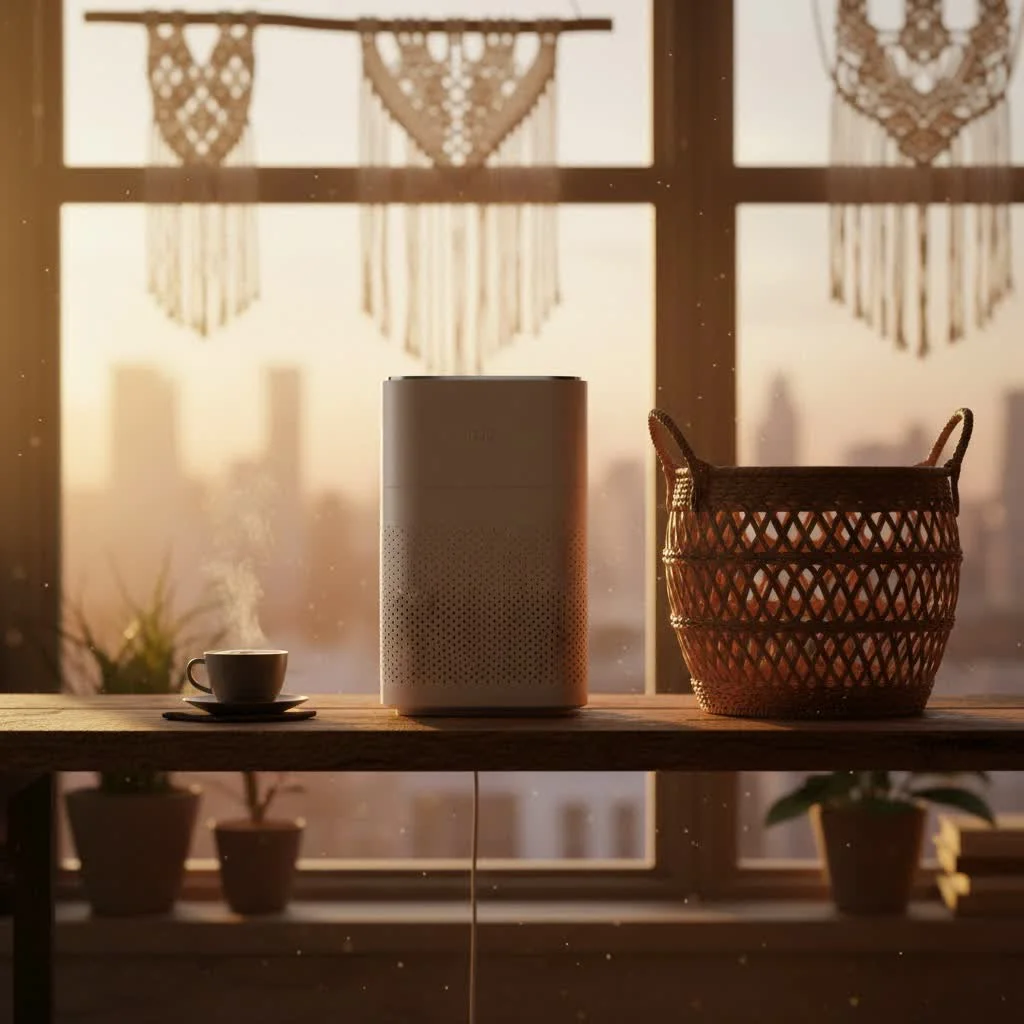
Dehumidifiers vs. Air Purifiers: Understanding the Core Difference
Though they might seem to serve similar purposes, a dehumidifier and an air purifier are distinct devices with specialized functions. Think of them as two different tools in your home improvement kit, each designed for specific tasks.
What is a Dehumidifier and How Does It Work?
A dehumidifier is specifically engineered to combat excess moisture in the air. It’s like a sponge for your indoor environment, drawing in humid air and passing it over chilled coils. As the warm, moist air meets these cold surfaces, the water vapor condenses into liquid, which is then collected in a removable tank. The now-drier air is released back into the room.
The primary benefit of a dehumidifier is moisture control. High humidity levels, typically above 60%, create a breeding ground for a host of unwelcome guests. By maintaining relative humidity between 30% and 50%, a dehumidifier can:
- Prevent Mold and Mildew Growth: These fungi thrive in damp conditions and can cause structural damage and respiratory issues.
- Reduce Dust Mite Populations: Dust mites, a common allergen, flourish in humid environments. Lowering humidity starves them out.
- Eliminate Musty Odors: The unpleasant smell often associated with dampness is a sign of mold or mildew, which dehumidifiers help mitigate.
- Protect Your Home: Excess moisture can damage wood, paint, and electronics.
Dehumidifiers are particularly beneficial in basements, bathrooms, laundry rooms, and other areas prone to dampness.
What is an Air Purifier and How Does It Work?
In contrast to a dehumidifier, an air purifier is your first line of defense against airborne particles and pollutants. It works by drawing in ambient air and pushing it through a series of specialized filters designed to trap contaminants before releasing cleaner air back into the room.
Different types of filters target various pollutants:
- HEPA filters (High-Efficiency Particulate Air): These are the gold standard, capable of capturing 99.97% of airborne particles 0.3 microns in size, including dust, pollen, pet dander, and mold spores.
- Activated Carbon Filters: Excellent for adsorbing gases, odors, and Volatile Organic Compounds (VOCs) from sources like cleaning products, paints, and cooking fumes.
- UV-C Light: Some purifiers incorporate UV-C lamps to destroy bacteria, viruses, and mold spores.
- Ionizers: These release charged ions that attach to airborne particles, causing them to fall out of the air.
The benefits of an air purifier are far-reaching:
- Reduces Allergens: Helps alleviate symptoms for those with allergies to pollen, dust, pet dander, and mold spores.
- Removes Irritants: Clears smoke, volatile organic compounds (VOCs), and other airborne chemicals.
- Captures Pathogens: Filters out bacteria and viruses, contributing to a healthier environment.
- Improves Respiratory Health: Provides cleaner air for everyone, especially individuals with asthma or other respiratory conditions.
Air purifiers are ideal for bedrooms, living areas, or any space where clean air is essential, especially for individuals with sensitivities.
Can You Use a Dehumidifier and Air Purifier Together? The Synergistic Approach
The short answer is a resounding “yes!” Not only is it safe to use a dehumidifier and an air purifier in the same space, but it’s often highly recommended, especially if your home faces challenges with both excessive humidity and airborne pollutants. These devices don’t compete; they complement each other, creating a truly optimized indoor environment.
When used together, they create a powerful synergy: the dehumidifier tackles the root cause of many indoor air problems by controlling moisture, while the air purifier actively removes the airborne contaminants that might still be present or those that flourish in less-than-ideal humidity. For instance, a dehumidifier prevents mold growth by drying the air, and an air purifier captures any existing mold spores circulating. This dual approach offers comprehensive protection against a wider range of indoor air quality issues.
“Pairing a dehumidifier with a high-quality air purifier offers a holistic approach to indoor air quality that neither device can achieve alone,” says Dr. Eleanor Vance, an Environmental Health Specialist. “By controlling both moisture and airborne particulates, you’re not just treating symptoms; you’re creating a fundamentally healthier living space.”
This combined strategy leads to enhanced benefits, including superior allergen control, more effective mold prevention, and a noticeably cleaner, fresher atmosphere that supports better respiratory health.
Navigating the Market: Standalone Units vs. All-in-One Combos
When considering how to integrate dehumidification and air purification into your home, you’ll encounter two main options: purchasing separate, standalone units or opting for an all-in-one combo device. Each has its own set of advantages and considerations.
The Case for Standalone Devices
|
Our Picks for the Best Air Purifier in 2026
As an Amazon Associate I earn from qualifying purchases.
|
||
| Num | Product | Action |
|---|---|---|
| 1 | LEVOIT Air Purifiers for Bedroom Home Dorm, AHAM VERIFIED, 3-in-1 Filter Claener with Fragrance Sponge, Portable Filters Smoke, Allergens, Pet Dander, Odor, Dust, Office, Desktop, Core Mini-P, White |

|
| 2 | Air Purifiers for Home Large Room Cover Up to 1500 Ft² with True HEPA Filter, 20dB Sleep Mode, 360° Air Intake & Outlet, Air Cleaner for Bedroom Pets, 7 Color Light, HAP604, Bright White |
|
| 3 | KNKA Air Purifier for Home Bedroom Large Room Up to 3,500 Ft², HEPA Air Cleaner with Washable Pre-Filter, AHAM VERIFIDE, AQI Display, ECO Mode, Pet Mode for Pets, Allergies, Dust, Pollen, APH4000 |
|
| 4 | LEVOIT Air Purifier for Home Allergies Pet Hair in Bedroom, Covers Up to 1073 ft² by 56W High Torque Motor, AHAM VERIFIDE, 3-in-1 Filter with HEPA Sleep Mode, Remove Dust Smoke Odor, Core300-P, White |
|
| 5 | LEVOIT Air Purifier for Home Large Room Up to 1073Ft² with Air Quality Monitor, AHAM VERIFIDE, Smart WiFi, Washable Pre-Filter, HEPA Sleep Mode for Pets, Allergies, Dust, Pollen, Vital 100S-P, White |
|
| 6 | Air Purifiers for Home Large Room, Cover Up to 2400 Ft² with True HEPA Filter, Smart Mode, PM2.5 Air Quality Display, 22dB Sleep Mode, Aromatherapy with 2X-Purification & 360°Air Outlet, HAP603, White |
|
| 7 | ECOSELF Smart Air Purifier for Home Large Rooms, with WiFi Control, Covers Up to 2400 Ft², Smart Mode, AQI Display, 22dB Sleep Mode & Aromatherapy with 2X-Power Filtration, HAP603WF, White |
|
| 8 | Air Purifiers for Bedroom with H14 True HEPA, Quiet Air Cleaner With Sleep Mode Night Light, Small Air Purifier Covers Up to 1200ft², 360° Air Intake, 3 Speeds, Timer, Aroma Function, Black |
|
| 9 | LEVOIT Air Purifiers for Home Large Room Up to 1875 Ft² with Washable Pre-Filter, AHAM VERIFIDE, Air Quality Monitor, HEPA Sleep Mode for Allergies, Pet Hair in Bedroom, Vital 200S-P, White |
|
| 10 | Air Purifiers for Home Large Room up to 2200sq.ft with Washable Filters, EVALIT Air Purifiers for Bedroom with Fragrance, PM 2.5 Display Air Quality Sensor for Smoke Dust Odors, White, 1Pack+3Modes |
|
Choosing separate dehumidifiers and air purifiers often allows for maximum effectiveness in both functions. Standalone units are typically designed with a singular purpose, meaning their components are optimized for that specific task.
- Higher Performance: Dedicated air purifiers often boast higher Clean Air Delivery Rate (CADR) ratings, indicating faster and more efficient air cleaning. Similarly, standalone dehumidifiers usually offer higher Pints Per Day (PPD) ratings, signifying their capacity to remove more moisture in 24 hours.
- Flexible Placement: You can strategically place each device where it’s most needed. For example, a dehumidifier might be best in a damp basement, while an air purifier is most effective in a bedroom.
- Customization: You can select models with specific features for each need, like a powerful HEPA filter for allergies in one room and a high-capacity dehumidifier for a larger, damper area.
The Appeal of Combo Units
All-in-one dehumidifier and air purifier combos offer convenience and space-saving benefits, making them an attractive option for some households.
- Space-Saving: One unit takes up less floor space than two, which is ideal for smaller rooms or apartments.
- Simplicity: Managing one device can be simpler than managing two, especially with integrated controls.
- Suitable for Mild Issues: If your home experiences moderate humidity and air quality concerns, a combo unit can provide adequate relief without needing separate, more powerful machines.
However, combo units often come with a trade-off in performance. They typically have lower CADR and PPD ratings compared to dedicated devices, meaning they might not be as effective in tackling severe humidity issues or high levels of airborne pollutants. For optimal results in challenging environments, two separate, high-quality units are often the superior choice.
Key Factors When Choosing Your Indoor Air Solution
Selecting the right dehumidifier and air purifier, whether as standalone units or a combo, requires careful consideration of several factors tailored to your specific home and needs.
Room Size and Coverage
For air purifiers, look at the Clean Air Delivery Rate (CADR), which indicates how quickly the unit cleans a room of smoke, pollen, and dust. Match the CADR to your room size. For dehumidifiers, consider the Pints Per Day (PPD) rating, which measures how much moisture the unit can remove in 24 hours. A larger room or higher humidity level will require a higher PPD capacity. Always measure your room and check the manufacturer’s recommended coverage area.
Filter Types
For air purifiers, the type of filtration is crucial. A True HEPA filter is essential for capturing allergens and fine particulates. Activated carbon filters are vital if odors, pet smells, or VOCs are a concern. Some units also include pre-filters for larger particles and prolonging the life of other filters. While dehumidifiers don’t purify air, some advanced models might include a basic filter to protect their internal components.
Noise Level
Both dehumidifiers and air purifiers use fans, which generate noise. Check the decibel (dB) rating if you plan to use the device in a bedroom or living area. Many modern units offer “sleep modes” or quieter settings. Generally, anything below 50 dB is considered relatively quiet, with many bedroom-friendly options operating at 30-40 dB.
Energy Efficiency
Since these appliances often run for extended periods, energy consumption can impact your utility bills. Look for Energy Star certified models, which meet strict energy efficiency guidelines set by the EPA. This can lead to significant long-term savings.
Maintenance
Regular maintenance is critical for optimal performance and longevity.
- Air Purifiers: Filters need to be cleaned or replaced periodically (e.g., every 6-12 months for HEPA filters, more frequently for pre-filters and carbon filters). Factor in the cost and availability of replacement filters.
- Dehumidifiers: The water collection tank needs to be emptied regularly. Many models have an auto-shutoff feature when the tank is full, and some offer continuous drainage options for convenience. The coils may also need occasional cleaning to maintain efficiency.
Specific Indoor Problems
Before making a purchase, clearly identify your primary indoor air quality issues. Is it primarily dampness leading to mold, or is it allergens and general pollution? Your specific problems will guide you toward the most effective solution or combination of solutions.
Optimizing Usage and Maintenance for Longevity
To ensure your dehumidifier and air purifier operate at peak performance and provide long-lasting benefits, proper usage and diligent maintenance are key.
Proper Placement
If using separate units, strategic placement is vital. Place the air purifier in areas where you spend the most time, such as bedrooms or living rooms, and ensure it has clear space around it for optimal airflow. Dehumidifiers are best located in the dampest areas, like basements, laundry rooms, or poorly ventilated bathrooms. If both are in the same room, maintain at least a few feet of distance between them to prevent interference with their respective air circulation patterns. Also, ensure all windows and doors are closed when operating either device to maximize their efficiency and prevent outside air from compromising your efforts.
Regular Filter Changes
For air purifiers, consistent filter replacement is paramount. Neglecting this can reduce the unit’s effectiveness, strain the motor, and even release trapped pollutants back into your air. Consult your owner’s manual for specific recommendations, but generally, pre-filters should be cleaned monthly, activated carbon filters replaced every 3-6 months, and True HEPA filters every 6-12 months, depending on usage and air quality.
Emptying and Cleaning Water Tanks
Dehumidifier water tanks should be emptied regularly to prevent overflow and maintain operation. Most units have an indicator light or auto-shutoff feature when the tank is full. Beyond emptying, regularly clean the tank and internal components with a mild detergent and water to prevent mold or bacterial growth within the unit itself, which could otherwise release unpleasant odors or even spores into your freshly dried air.
Addressing Underlying Moisture Sources
While a dehumidifier can control ambient humidity, it’s not a substitute for fixing underlying structural issues. If you have active leaks, significant condensation problems, or standing water in your crawl space, these must be addressed directly. A dehumidifier works best as a preventive measure and a solution for general atmospheric dampness, not as a fix for water intrusion.
By adhering to these simple usage and maintenance tips, you’ll not only extend the lifespan of your appliances but also ensure they continuously deliver the clean, dry air you and your family deserve.
Frequently Asked Questions (FAQ)
Q1: What is the ideal humidity level for a home?
A: The ideal indoor relative humidity level for comfort and health is generally between 30% and 50%. Maintaining this range helps prevent mold growth, dust mite proliferation, and respiratory discomfort.
Q2: Can a dehumidifier filter air?
A: A standard dehumidifier’s primary function is to remove moisture from the air, not to filter airborne particles. While some larger compressor dehumidifiers may include a basic filter to protect their internal coils from dust, these are not designed to clean your room’s air from pollutants like an air purifier can.
Q3: Can an air purifier help with mold?
A: An air purifier with a HEPA filter can effectively capture airborne mold spores, preventing them from spreading and settling. However, an air purifier does not kill existing mold colonies or remove mold already growing on surfaces; a dehumidifier is better for preventing mold growth by controlling moisture.
Q4: How far apart should a dehumidifier and air purifier be?
A: If you’re using both devices in the same room, it’s advisable to place them a few feet apart (at least 3-5 feet). This ensures that each unit has sufficient space to draw in and circulate air effectively without interfering with the other’s operation.
Q5: Are combo units as good as separate ones?
A: Combo dehumidifier and air purifier units offer convenience and save space, but they often come with a trade-off in performance. Standalone, dedicated units typically provide more powerful and efficient air purification (higher CADR) and moisture removal (higher PPD) compared to most all-in-one devices. Combo units are best suited for smaller rooms or less severe air quality and humidity issues.
Breathe Easier: Your Path to a Healthier Home
The journey to optimal indoor air quality is a crucial one for the health and comfort of your household. While a dehumidifier tackles the often-unseen enemy of excess moisture, preventing mold, mildew, and dust mites, an air purifier diligently removes a many airborne pollutants, from allergens and smoke to VOCs. Neither device is a one-size-fits-all solution, but together, they form an incredibly powerful defense against the complex challenges of indoor air.
Whether you opt for the specialized prowess of standalone units or the convenient simplicity of an all-in-one combo, understanding your home’s unique needs is the first step. By investing in a well-chosen dehumidifier and air purifier, and committing to their proper usage and maintenance, you’re not just buying appliances; you’re investing in cleaner air, better health, and a more comfortable living environment for years to come. Take a deep breath, and feel the difference that truly clean, balanced air can make.
Frequently Asked Questions
What is the ideal humidity level for a home?
The ideal indoor relative humidity level for comfort and health is generally between 30% and 50%. Maintaining this range helps prevent mold growth, dust mite proliferation, and respiratory discomfort, contributing to a healthier living environment.
Can a dehumidifier filter airborne particles?
A standard dehumidifier's primary function is to remove moisture from the air, not to filter airborne particles. While some larger compressor dehumidifiers may include a basic filter to protect their internal coils from dust, these are not designed to clean your room's air from pollutants like an air purifier can.
Does an air purifier help with existing mold?
An air purifier with a HEPA filter can effectively capture airborne mold spores, preventing them from spreading and settling. However, an air purifier does not kill existing mold colonies or remove mold already growing on surfaces; a dehumidifier is better for preventing mold growth by controlling moisture.
How far apart should a dehumidifier and air purifier be placed?
If you're using both devices in the same room, it's advisable to place them a few feet apart (at least 3-5 feet). This ensures that each unit has sufficient space to draw in and circulate air effectively without interfering with the other's operation.
Are all-in-one dehumidifier and air purifier units effective?
Combo dehumidifier and air purifier units offer convenience and save space, but they often come with a trade-off in performance. Standalone, dedicated units typically provide more powerful and efficient air purification (higher CADR) and moisture removal (higher PPD) compared to most all-in-one devices. Combo units are best suited for smaller rooms or less severe air quality and humidity issues.
Get our weekly buyer guide
Practical specs, not advice. Unsubscribe anytime.
I got a small air purifier for my office, mainly for pollen during allergy season. It works okay for that, but I was a bit disappointed it didn’t do much for the general stuffiness. I guess I was hoping for more of a ‘fresh air’ feel, but it really only targets the airborne particles. Still, it helps with my hayfever.
This really clarified the difference between these two devices. I’ve been using both a dehumidifier and an air purifier in my living room, and it’s been a game-changer. My home feels so much healthier. The combination of removing excess moisture and filtering out dust and pollen has made a huge impact on my family’s respiratory health.
I always thought I just needed an air purifier, but after reading about the benefits of a dehumidifier, I decided to try one. My basement used to have a musty smell, and I was constantly battling dust mites. Since getting a dehumidifier to keep the humidity between 30% and 50%, the difference is incredible. No more damp feeling, and my allergies have improved so much!
We have two cats, and the pet dander was a real issue for my wife’s allergies. We invested in an air purifier with a true HEPA filter, and it’s made a noticeable difference. It really does seem to capture those tiny particles. The air just feels cleaner, and she’s not sneezing nearly as much. Wish I’d gotten one sooner.