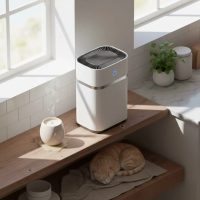
In the endless quest for a cleaner, healthier home, one persistent adversary stands out: dust. It settles on surfaces, floats in sunbeams, and, more importantly, lingers in the air you breathe, often unnoticed until it triggers a sneeze or an itchy eye. As experts in indoor air quality, we at Rlmex.com understand that tackling airborne dust isn’t just about appearances; it’s about protecting your health and enhancing your living environment. This comprehensive guide will unveil everything you need to know about choosing and utilizing an air purifier for dust, transforming your space into a sanctuary of clean air.
How Air Purifiers Combat Dust: The Science Behind Cleaner Air
Before we dive into product recommendations, let’s understand how an air purifier actually captures that elusive household dust. An air purifier works by drawing in air from your room, passing it through a series of specialized filters, and then releasing purified air back into the environment. This continuous circulation effectively traps airborne particles before they have a chance to settle on your furniture.
The HEPA Filter Advantage
When it comes to dust removal, the High-Efficiency Particulate Air (HEPA) filter is the undisputed champion. A True HEPA filter is engineered to capture an astounding 99.97% of airborne particles as tiny as 0.3 microns. To put that into perspective, a human hair is about 50-100 microns thick! This microscopic efficiency is critical because dust isn’t just visible specks; it’s a complex cocktail of dead skin cells, pet dander, pollen, dust mites, mold spores, and even microscopic fabric fibers.
HEPA filters work through three primary mechanisms:
- Impaction: Larger dust particles directly collide with filter fibers and stick.
- Interception: Medium-sized particles, following the airflow, pass close enough to a fiber to be caught and adhere to it.
- Diffusion: The smallest, most elusive particles move erratically, increasing their chances of hitting and becoming trapped by filter fibers.
Multi-Stage Filtration: A Comprehensive Approach
While the HEPA filter does the heavy lifting for fine dust, many advanced air purifiers utilize a multi-stage filtration system to offer even more comprehensive air cleaning. A typical setup includes:
- Pre-filter: This initial mesh filter captures larger particles like pet hair, lint, and big dust bunnies. This protects the more delicate HEPA filter, extending its lifespan and maintaining its efficiency.
- Activated Carbon Filter: Designed to adsorb odors and volatile organic compounds (VOCs) from sources like cleaning products, cooking, and paint, the activated carbon filter complements the particle-trapping abilities of the HEPA filter, ensuring your air smells as clean as it feels.
Why You Need an Air Purifier for Dust: Beyond Just a Clean Look
The benefits of deploying an effective air purifier for dust extend far beyond simply having fewer visible particles on your coffee table. It’s an investment in your health, comfort, and peace of mind.
Health Benefits: Breathing Easier, Living Better
|
Our Picks for the Best Air Purifier in 2026
As an Amazon Associate I earn from qualifying purchases.
|
||
| Num | Product | Action |
|---|---|---|
| 1 | Air Purifiers for Home Large Room up to 2200sq.ft with Washable Filters, EVALIT Air Purifiers for Bedroom with Fragrance, PM 2.5 Display Air Quality Sensor for Smoke Dust Odors, White, 1Pack+3Modes |

|
| 2 | ECOSELF Smart Air Purifier for Home Large Rooms, with WiFi Control, Covers Up to 2400 Ft², Smart Mode, AQI Display, 22dB Sleep Mode & Aromatherapy with 2X-Power Filtration, HAP603WF, White |
|
| 3 | Air Purifiers for Home Large Room Cover Up to 1500 Ft² with True HEPA Filter, 20dB Sleep Mode, 360° Air Intake & Outlet, Air Cleaner for Bedroom Pets, 7 Color Light, HAP604, Bright White |
|
| 4 | Air Purifiers for Bedroom with H14 True HEPA, Quiet Air Cleaner With Sleep Mode Night Light, Small Air Purifier Covers Up to 1200ft², 360° Air Intake, 3 Speeds, Timer, Aroma Function, Black |
|
| 5 | LEVOIT Air Purifier for Home Large Room Up to 1073Ft² with Air Quality Monitor, AHAM VERIFIDE, Smart WiFi, Washable Pre-Filter, HEPA Sleep Mode for Pets, Allergies, Dust, Pollen, Vital 100S-P, White |
|
| 6 | Air Purifiers for Home Large Room, Cover Up to 2400 Ft² with True HEPA Filter, Smart Mode, PM2.5 Air Quality Display, 22dB Sleep Mode, Aromatherapy with 2X-Purification & 360°Air Outlet, HAP603, White |
|
| 7 | KNKA Air Purifier for Home Bedroom Large Room Up to 3,500 Ft², HEPA Air Cleaner with Washable Pre-Filter, AHAM VERIFIDE, AQI Display, ECO Mode, Pet Mode for Pets, Allergies, Dust, Pollen, APH4000 |
|
| 8 | LEVOIT Air Purifiers for Bedroom Home Dorm, AHAM VERIFIED, 3-in-1 Filter Claener with Fragrance Sponge, Portable Filters Smoke, Allergens, Pet Dander, Odor, Dust, Office, Desktop, Core Mini-P, White |
|
| 9 | LEVOIT Air Purifier for Home Allergies Pet Hair in Bedroom, Covers Up to 1073 ft² by 56W High Torque Motor, AHAM VERIFIDE, 3-in-1 Filter with HEPA Sleep Mode, Remove Dust Smoke Odor, Core300-P, White |
|
| 10 | LEVOIT Air Purifiers for Home Large Room Up to 1875 Ft² with Washable Pre-Filter, AHAM VERIFIDE, Air Quality Monitor, HEPA Sleep Mode for Allergies, Pet Hair in Bedroom, Vital 200S-P, White |
|
Dust is a common trigger for a host of respiratory issues. By significantly reducing airborne dust, an air purifier can:
- Alleviate Allergies: Many dust components like pollen, pet dander, and dust mite allergens are potent triggers for allergy sufferers. Filtering these out can dramatically reduce symptoms like sneezing, itchy eyes, and congestion.
- Manage Asthma Symptoms: For individuals with asthma, inhaling particulate matter can lead to flare-ups. A cleaner air environment can help reduce exposure to these irritants, promoting easier breathing.
- Improve Respiratory Health: Consistent exposure to fine dust particles can irritate the lungs. An air purifier helps protect your respiratory system from these chronic irritants.
- Enhance Sleep Quality: A bedroom free from airborne allergens and irritants can lead to more restful and uninterrupted sleep, especially for those sensitive to dust.
Reduced Cleaning & Time Savings
Imagine spending less time dusting! While an air purifier won’t eliminate the need for surface cleaning entirely, it significantly reduces the rate at which dust accumulates. By continuously removing particles from the air, there are fewer airborne culprits to settle on your furniture and floors, saving you valuable time and effort in your regular cleaning routine.
Overall Indoor Air Quality Improvement
“Many homeowners are surprised to learn that indoor air can be two to five times more polluted than outdoor air, largely due to dust and other trapped pollutants,” says Dr. Elena Petrova, a leading environmental health specialist and Rlmex.com contributor. “An air purifier actively works to rebalance this, creating a healthier microclimate within your home.” This holistic improvement affects everything from pet odors to general stuffiness, ensuring a consistently fresh indoor atmosphere.
Choosing the Best Air Purifier for Dust: Your Buying Guide
Selecting the perfect air purifier for dust can feel overwhelming with so many options available. Here are the key factors to consider to ensure you make an informed decision for your home.
Room Size and CADR (Clean Air Delivery Rate)
This is perhaps the most crucial factor. An air purifier’s effectiveness is often measured by its Clean Air Delivery Rate (CADR). The CADR indicates how quickly the purifier can remove specific pollutants (like dust, pollen, and smoke) from a room of a certain size.
- How it works: A higher CADR means faster cleaning for a larger space. Always match the purifier’s CADR rating to the square footage of the room where you intend to use it.
- Voice Search Tip: “What CADR rating do I need for a 300 sq ft room?” Look for purifiers with a CADR of at least 200 for dust in a room of that size, ensuring several air changes per hour (ACH).
Filter Types: True HEPA is Non-Negotiable
For effective dust removal, always prioritize an air purifier equipped with a True HEPA filter. Be wary of terms like “HEPA-type” or “HEPA-like,” as these typically do not meet the strict 99.97% filtration standard. Ensure the unit also includes a pre-filter, and ideally, an activated carbon filter for odors.
Noise Levels: Find Your Quiet Companion
Air purifiers operate with a fan, which inherently produces some noise. Consider the intended placement of the unit:
- Bedrooms: For sleeping areas, look for models with low decibel (dB) ratings, especially on their lowest fan settings. Many modern purifiers offer a “sleep mode” for ultra-quiet operation.
- Living Areas: A slightly higher noise level might be acceptable here, but generally, quieter is always better for comfort.
Energy Efficiency: Save on Bills
Look for Energy Star certified air purifiers. These models are designed to be more energy-efficient, meaning they consume less electricity, which is good for both your wallet and the environment. Running an air purifier 24/7 is ideal for dust control, so energy efficiency makes a significant difference.
Filter Replacement Costs and Frequency
Filters need to be replaced periodically (typically every 6-12 months for HEPA and carbon filters, and pre-filters can often be washed). Factor in the cost and availability of replacement filters into your long-term budget. Neglecting filter replacement severely impacts performance.
Maximizing Your Air Purifier’s Effectiveness Against Dust
Once you’ve chosen your ideal air purifier, a few simple strategies can significantly enhance its dust-fighting capabilities.
Optimal Placement
Where you place your air purifier makes a big difference.
- Central Location: Position the unit in a central part of the room, away from walls and furniture, to allow for unobstructed airflow. This ensures the purifier can draw in and distribute air efficiently throughout the entire space.
- Avoid Corners: Tucking it away in a corner or behind large furniture can hinder its performance by restricting air intake and output.
- Voice Search Tip: “Where should I place an air purifier in a bedroom for dust?” Place it a few feet from your bed and away from large furniture to maximize circulation.
Regular Maintenance: The Key to Lasting Performance
An air purifier is only as good as its filters. Consistent maintenance is paramount for optimal and prolonged effectiveness.
- Filter Cleaning and Replacement:
- Pre-filters: If your unit has a washable pre-filter, clean it every 2-4 weeks by rinsing it under cool water and allowing it to air dry completely before reinstallation.
- HEPA and Activated Carbon Filters: These generally need replacement every 6-12 months, depending on usage and air quality. Always consult your specific model’s user manual for exact recommendations. A clogged filter will severely restrict airflow and reduce purification efficiency.
- Wiping Exterior and Vents: Every 1-2 months, gently wipe down the exterior surfaces and air intake/exhaust vents with a soft, damp cloth. Dust can accumulate here, impeding airflow.
- Sensor Cleaning: Some advanced purifiers have air quality sensors. Periodically clean these with a soft brush or compressed air to ensure accurate readings and automatic fan speed adjustments.
- Combine with Good Cleaning Habits: An air purifier is a powerful tool, but it works best in conjunction with regular household cleaning. Vacuuming with a HEPA-filtered vacuum, dusting surfaces with a damp cloth, and washing bedding regularly will prevent dust from accumulating and becoming airborne in the first place.
Common Myths and Misconceptions About Air Purifiers and Dust
There’s a lot of information floating around about air purifiers. Let’s clear up some common misunderstandings.
- “Air purifiers clean surfaces too.” No, air purifiers primarily address airborne particles. While they reduce the amount of dust settling, they won’t clean surfaces that already have settled dust. Regular dusting and vacuuming are still essential.
- “All air purifiers are equally effective against dust.” Absolutely not. As discussed, True HEPA filtration is crucial for capturing fine dust particles. Many “air fresheners” or ionizers marketed as purifiers may not offer the same level of particle removal or can even produce ozone.
- “You can set it and forget it.” While many purifiers have intelligent auto modes, consistent maintenance, especially filter replacement, is vital. Ignoring this will lead to diminished performance and potentially re-releasing pollutants.
- Ozone-Producing Purifiers: Be cautious of purifiers that intentionally generate ozone. While sometimes marketed for “cleaning,” ozone is a lung irritant and an air pollutant that can be harmful, especially for those with respiratory conditions. Prioritize filter-based systems.
Expert Insights from Rlmex.com
At Rlmex.com, we believe that understanding your indoor environment is the first step towards a healthier life. “The impact of clean air on daily well-being is often underestimated,” notes James Peterson, a senior air quality engineer and content lead for Rlmex.com. “When you invest in an effective air purifier for dust, you’re not just buying a gadget; you’re investing in fewer allergy symptoms, better sleep, and a home that truly feels fresh. Our goal is to empower you with the knowledge to make choices that genuinely improve your quality of life.”
Frequently Asked Questions (FAQ)
How often should I run my air purifier for dust?
For optimal dust control, it’s best to run your air purifier continuously, 24/7. This ensures constant air circulation and filtration, preventing dust from building up.
Can an air purifier completely eliminate dust?
While an air purifier is highly effective at removing airborne dust, it cannot completely eliminate all dust in your home. Dust will still settle on surfaces. It works best in conjunction with regular cleaning practices.
What’s the difference between HEPA and “HEPA-like” filters?
A True HEPA filter is certified to capture 99.97% of particles 0.3 microns in size. “HEPA-like” or “HEPA-type” filters do not meet this standard and are often less effective. Always look for “True HEPA” or “Medical Grade HEPA” for superior dust removal.
Where is the best place to put an air purifier?
Place your air purifier in the room where you spend the most time, such as your bedroom or living room. Ensure it’s in an open area, away from walls and large furniture, to allow for optimal airflow.
Do air purifiers help with dust mites?
Yes, indirectly. Air purifiers with HEPA filters capture airborne dust mite particles, including their droppings and body fragments, which are common allergens. While they won’t remove dust mites embedded in carpets or mattresses, they significantly reduce airborne exposure.
Are air purifiers noisy?
Modern air purifiers vary in noise level. Many high-quality models offer multiple fan speeds, with lower settings being very quiet, suitable for bedrooms. Check the decibel (dB) rating in the product specifications, especially for the lowest fan speeds.
Conclusion
Choosing the right air purifier for dust is a pivotal step towards cultivating a healthier, more comfortable indoor environment. By understanding the science behind filtration, selecting a unit tailored to your needs, and committing to simple maintenance, you can significantly reduce airborne dust, alleviate allergy and asthma symptoms, and enjoy noticeably cleaner air. At Rlmex.com, we’re dedicated to helping you breathe easier and live better. Explore our resources to deepen your understanding and find the perfect air purification solution for your home today.
Get our weekly buyer guide
Practical specs, not advice. Unsubscribe anytime.