The term “blue air purifier filter” commonly refers to the advanced filtration systems from Blueair, a leading brand known for its innovative HEPASilent™ technology. This technology combines electrostatic and mechanical filtration to capture 99.97% of airborne particles as small as 0.1 microns, including pollen, dust, pet dander, and viruses, while operating quietly and efficiently.
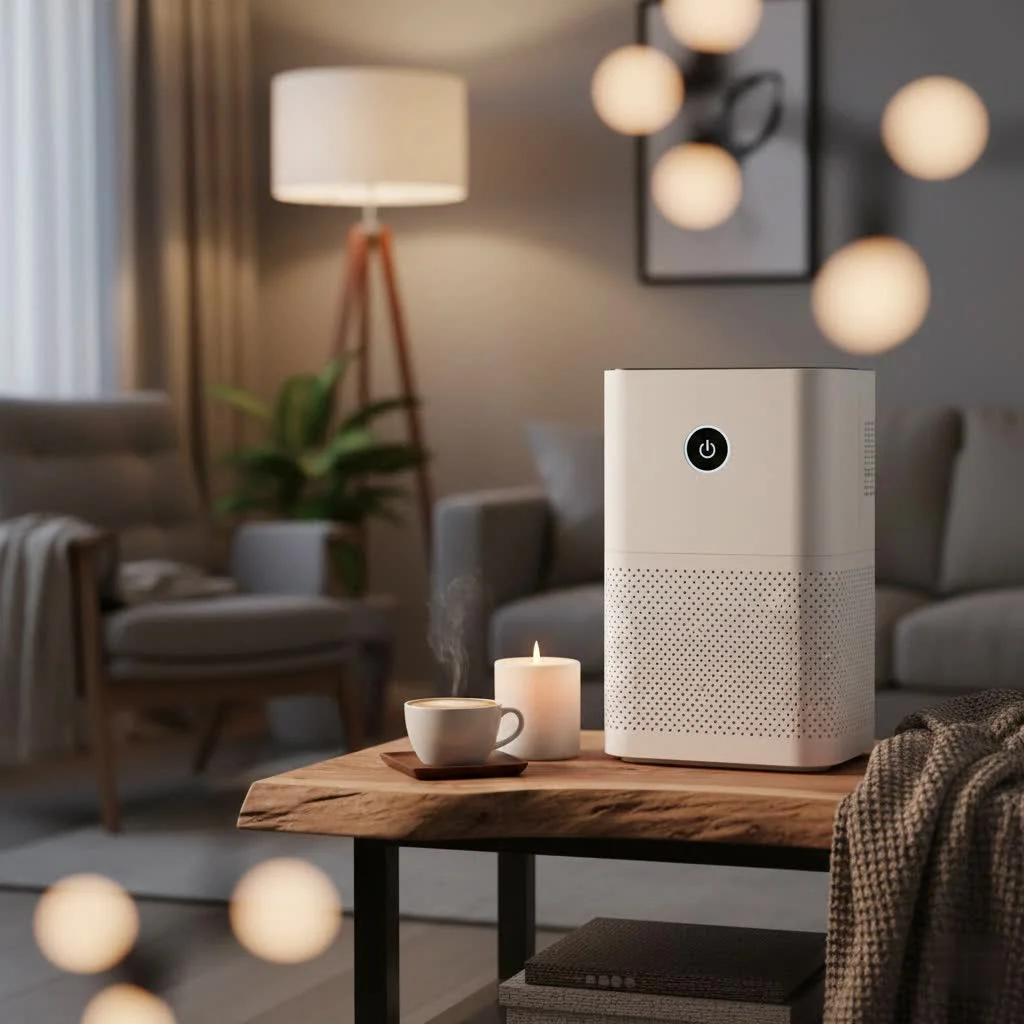
At the heart of Blueair’s reputation lies a commitment to innovation, primarily through their patented HEPASilent™ technology. This isn’t just another filter; it’s a meticulously engineered system designed to deliver superior air cleaning performance without compromising on quietness or energy efficiency. Let’s examine what makes a Blueair air purifier filter a benchmark in the industry.
What Makes Blueair Filters Stand Out? The HEPASilent™ Advantage
When you talk about a “blue air purifier filter” in the context of Blueair, you’re really talking about their revolutionary HEPASilent™ technology. This advanced system combines two powerful filtration methods: electrostatic and mechanical filtration. Instead of relying solely on a dense filter material to trap particles, Blueair filters first charge airborne particles with negative ions. This electrical charge makes the particles “sticky,” causing them to effortlessly adhere to the less dense filter media.
This dual approach offers significant advantages over traditional HEPA filters, which often require tightly packed fibers to achieve high filtration efficiency. While traditional HEPA filters are effective, their dense structure can restrict airflow, demanding a more powerful (and thus noisier and less energy-efficient) fan to push air through. The Blueair HEPASilent™ technology, however, allows for a less dense filter media. The result? Exceptional filtration efficiency – capturing 99.97% of airborne particles as small as 0.1 microns – all while operating with remarkably less noise and consuming significantly less energy. This efficiency translates to a higher Clean Air Delivery Rate (CADR), meaning your Blueair air purifier filter cleans the air faster and more effectively.
The filter media itself is often crafted from fine polypropylene fibers. This material is not only non-toxic but also naturally resistant to moisture and microbial growth, which means it won’t become a breeding ground for bacteria or mold. These polypropylene filters are often recyclable, reflecting Blueair’s commitment to environmental responsibility.
Understanding the Different Blueair Filter Types
Blueair understands that one size doesn’t fit all when it comes to air purification. That’s why they offer a range of specialized “blue air purifier filter” options, each tailored to address specific indoor air quality challenges.
Particle Filter
The standard Particle Filter is designed to focus purely on trapping airborne particulate matter. This Blueair air purifier filter excels at capturing the most common airborne pollutants, including pollen, dust, pet dander, mold spores, bacteria, and even viruses. It’s the ideal choice for general particle removal, providing a robust line of defense against microscopic invaders that can impact your health.
Particle & Carbon Filter
|
Our Picks for the Best Air Purifier in 2026
As an Amazon Associate I earn from qualifying purchases.
|
||
| Num | Product | Action |
|---|---|---|
| 1 | KNKA Air Purifier for Home Bedroom Large Room Up to 3,500 Ft², HEPA Air Cleaner with Washable Pre-Filter, AHAM VERIFIDE, AQI Display, ECO Mode, Pet Mode for Pets, Allergies, Dust, Pollen, APH4000 |

|
| 2 | LEVOIT Air Purifiers for Bedroom Home Dorm, AHAM VERIFIED, 3-in-1 Filter Claener with Fragrance Sponge, Portable Filters Smoke, Allergens, Pet Dander, Odor, Dust, Office, Desktop, Core Mini-P, White |
|
| 3 | Air Purifiers for Home Large Room, Cover Up to 2400 Ft² with True HEPA Filter, Smart Mode, PM2.5 Air Quality Display, 22dB Sleep Mode, Aromatherapy with 2X-Purification & 360°Air Outlet, HAP603, White |
|
| 4 | ECOSELF Smart Air Purifier for Home Large Rooms, with WiFi Control, Covers Up to 2400 Ft², Smart Mode, AQI Display, 22dB Sleep Mode & Aromatherapy with 2X-Power Filtration, HAP603WF, White |
|
| 5 | LEVOIT Air Purifier for Home Large Room Up to 1073Ft² with Air Quality Monitor, AHAM VERIFIDE, Smart WiFi, Washable Pre-Filter, HEPA Sleep Mode for Pets, Allergies, Dust, Pollen, Vital 100S-P, White |
|
| 6 | LEVOIT Air Purifier for Home Allergies Pet Hair in Bedroom, Covers Up to 1073 ft² by 56W High Torque Motor, AHAM VERIFIDE, 3-in-1 Filter with HEPA Sleep Mode, Remove Dust Smoke Odor, Core300-P, White |
|
| 7 | LEVOIT Air Purifiers for Home Large Room Up to 1875 Ft² with Washable Pre-Filter, AHAM VERIFIDE, Air Quality Monitor, HEPA Sleep Mode for Allergies, Pet Hair in Bedroom, Vital 200S-P, White |
|
| 8 | Air Purifiers for Home Large Room Cover Up to 1500 Ft² with True HEPA Filter, 20dB Sleep Mode, 360° Air Intake & Outlet, Air Cleaner for Bedroom Pets, 7 Color Light, HAP604, Bright White |
|
| 9 | Air Purifiers for Home Large Room up to 2200sq.ft with Washable Filters, EVALIT Air Purifiers for Bedroom with Fragrance, PM 2.5 Display Air Quality Sensor for Smoke Dust Odors, White, 1Pack+3Modes |
|
| 10 | Air Purifiers for Bedroom with H14 True HEPA, Quiet Air Cleaner With Sleep Mode Night Light, Small Air Purifier Covers Up to 1200ft², 360° Air Intake, 3 Speeds, Timer, Aroma Function, Black |
|
For those seeking a more comprehensive solution, the Particle & Carbon Filter is often the standard option found in most Blueair units. This versatile “blue air purifier filter” combines the high-efficiency particle capture of the Particle Filter with a layer of activated carbon. The activated carbon is crucial for adsorbing gaseous pollutants, such as household odors from cooking, pets, and cleaning products, as well as volatile organic compounds (VOCs) that can off-gas from furniture and building materials. This filter is perfect for everyday general air purification, ensuring both particle and odor removal while maintaining excellent airflow and energy efficiency.
SmokeBlock Filter
When dealing with more severe air quality issues, such as wildfire smoke, strong cooking odors, or tobacco smoke, the SmokeBlock Filter provides enhanced protection. This specialized “blue air purifier filter” features a significantly higher amount of activated carbon—often double the amount found in standard filters. This increased carbon content allows it to more effectively trap heavy odors, toxic gases, smog, and fine particulate matter associated with smoke. It’s an essential upgrade for homes in areas prone to wildfires or environments with persistent, strong odors.
AllergenBlock Filter
For individuals particularly sensitive to allergens, the AllergenBlock Filter is a major upgrade. While all Blueair filters effectively capture allergens, this specific “blue air purifier filter” goes a step further. It’s engineered not only to trap allergens like pollen, dust mites, and pet dander but also to deactivate up to 90% of their sneeze-inducing properties once captured on the filter. This provides an additional layer of relief, making the air more comfortable for allergy sufferers.
Why Choose a Blueair Filter for Your Air Purifier?
Investing in a Blueair air purifier filter means investing in your health and well-being. Here’s why these filters, powered by HEPASilent™ technology, stand out:
- Superior Particle Capture: Whether it’s microscopic allergens, dust, pet dander, mold spores, bacteria, or even tiny viruses, Blueair filters are engineered to capture 99.97% of particles down to 0.1 microns, ensuring the air you breathe is exceptionally clean.
- Effective Odor and VOC Removal: With the inclusion of activated carbon in many of their filters, Blueair systems effectively tackle unpleasant household odors and harmful volatile organic compounds, leaving your home smelling fresh and clean.
- Energy Efficiency and Quiet Performance: Thanks to the less dense filter media and efficient fan design enabled by HEPASilent™ technology, Blueair purifiers operate quietly and consume minimal energy. Many models are ENERGY STAR certified, meaning you can run them 24/7 without a significant impact on your electricity bill or your peace and quiet.
- Durability and Eco-Friendliness: The use of polypropylene fibers not only makes the filters durable and resistant to microbial growth but also contributes to their recyclability, aligning with sustainable living practices.
- Tailored Solutions for Diverse Needs: With a variety of filter types available, Blueair provides targeted solutions whether you’re battling allergies, smoke, general pollution, or simply aiming for healthier everyday air.
“Choosing the right filter is paramount,” states Dr. Anya Sharma, a renowned environmental health expert. “Blueair’s integration of electrostatic and mechanical filtration allows for both high efficiency and user comfort, a combination that’s increasingly vital in today’s indoor environments.”
Maintaining Your Blueair Air Purifier Filter
To ensure your Blueair air purifier continues to deliver peak performance and maintain optimal indoor air quality, regular filter maintenance is crucial. While the “blue air purifier filter” is designed for high capacity, it does have a finite lifespan.
Blueair generally recommends replacing your filters every six months. This timeframe can vary slightly depending on your specific model, local air quality, and the frequency of use. Operating your purifier with an old, clogged filter can reduce its efficiency, increase noise levels, and put unnecessary strain on the motor, diminishing the very benefits you sought.
Replacing a Blueair air purifier filter is typically a straightforward process. Most models are designed for easy, tool-free filter changes. Simply turn off and unplug your unit, open the access panel, remove the old filter, and insert the new one. Always refer to your specific model’s user manual for precise instructions. Regular replacement not only guarantees consistent clean air but also extends the life of your air purifier.
Conclusion
The “blue air purifier filter” symbolizes Blueair’s commitment to advanced air purification, providing a solution that seamlessly blends high performance with energy efficiency and quiet operation. Through their innovative HEPASilent™ technology and diverse range of specialized filters—from Particle and Particle & Carbon to SmokeBlock and AllergenBlock—Blueair offers tailored approaches to tackle nearly any indoor air quality concern.
Investing in a quality Blueair air purifier filter is more than just buying a replacement part; it’s an investment in a healthier home environment, reduced exposure to pollutants, and a noticeable improvement in your overall well-being. Don’t compromise on the air you breathe. Experience the profound difference that a superior blue air purifier filter can make in transforming your indoor spaces into havens of clean, fresh air.
Frequently Asked Questions
What is the primary technology behind Blueair purifier filters?
The primary technology behind Blueair purifier filters is HEPASilentu2122, which combines electrostatic and mechanical filtration. This dual approach allows Blueair filters to capture 99.97% of airborne particles as small as 0.1 microns with less dense filter media, resulting in quieter operation and higher energy efficiency compared to traditional HEPA filters.
How often should I replace my Blueair air purifier filter?
Blueair generally recommends replacing your air purifier filters every six months to maintain optimal performance. The exact timeframe can vary based on your specific model, local air quality conditions, and how frequently the unit is used. Regular replacement ensures consistent clean air and extends the life of your air purifier.
What types of pollutants do Blueair filters remove from the air?
Blueair filters are designed to remove a wide range of pollutants, including microscopic allergens like pollen, dust mites, and pet dander, as well as mold spores, bacteria, and viruses. Filters with activated carbon also effectively adsorb gaseous pollutants such as household odors, volatile organic compounds (VOCs), and smoke particles.
Are Blueair filters environmentally friendly?
Yes, Blueair filters are designed with environmental considerations in mind. The filter media is often crafted from fine polypropylene fibers, which are non-toxic and naturally resistant to microbial growth. Furthermore, many of these polypropylene filters are recyclable, aligning with sustainable living practices.
What is the difference between a Particle Filter and a Particle & Carbon Filter?
A Particle Filter focuses solely on trapping airborne particulate matter like dust, pollen, and pet dander. A Particle & Carbon Filter, however, combines this high-efficiency particle capture with a layer of activated carbon. The activated carbon is crucial for adsorbing gaseous pollutants, such as household odors and volatile organic compounds (VOCs), offering a more comprehensive air purification solution.
Replacing Your Blueair Air Purifier Filter
Ensure your Blueair air purifier maintains peak performance by regularly replacing its filter. This simple process helps sustain optimal indoor air quality.
First, turn off and unplug your Blueair air purifier from the power outlet. This ensures safety during the filter replacement process. Locate the access panel on your specific model.
Open the access panel according to your model's instructions. Carefully remove the old, used filter from its compartment. Dispose of the old filter responsibly, as many polypropylene filters are recyclable.
Unpack your new Blueair filter and insert it into the unit, ensuring it is correctly oriented. Most models are designed for tool-free filter changes, making the process straightforward. Close the access panel securely.
Plug your Blueair air purifier back into the power outlet. If your model has a filter indicator light, consult your user manual for instructions on how to reset it. This ensures the unit accurately tracks the lifespan of your new filter.
Get our weekly buyer guide
Practical specs, not advice. Unsubscribe anytime.
The Blueair filter does a decent job with dust and general air quality, and it’s pretty quiet. However, I was hoping it would completely eliminate the cooking odors from my open-plan kitchen, and it doesn’t quite get there. It helps, but I still notice some lingering smells after making certain meals. Maybe my expectations were too high for that specific issue.
I’ve been using Blueair filters for years, and the HEPASilent technology really does make a difference. My allergies used to be terrible, especially in spring, but since getting a Blueair unit with these filters, I’ve noticed a huge improvement. It’s also incredibly quiet, which is a big plus for my bedroom.
I recently upgraded to a Blueair purifier for my home office, specifically because of the claims about capturing particles as small as 0.1 microns. I work from home and have a cat, so pet dander is a constant battle. So far, the air feels noticeably fresher, and I’m not sneezing as much during the day. Definitely worth the investment.
As someone with sensitive skin and asthma, clean air is crucial. The Blueair filter with its HEPASilent system has been a game-changer for my bedroom. I wake up feeling much less congested, and I’ve even noticed less dust settling on my surfaces. It’s amazing how much it captures without making any noise.