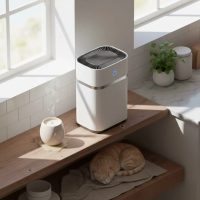
Ever wonder if the air you breathe inside your home is truly clean? In our increasingly sealed-off homes, indoor air quality has become a hot topic, and for good reason. From hidden allergens to invisible microbes, our living spaces can harbor a surprising array of pollutants. That’s where a UVC air purifier steps in, offering a powerful layer of defense to help you breathe a little easier.
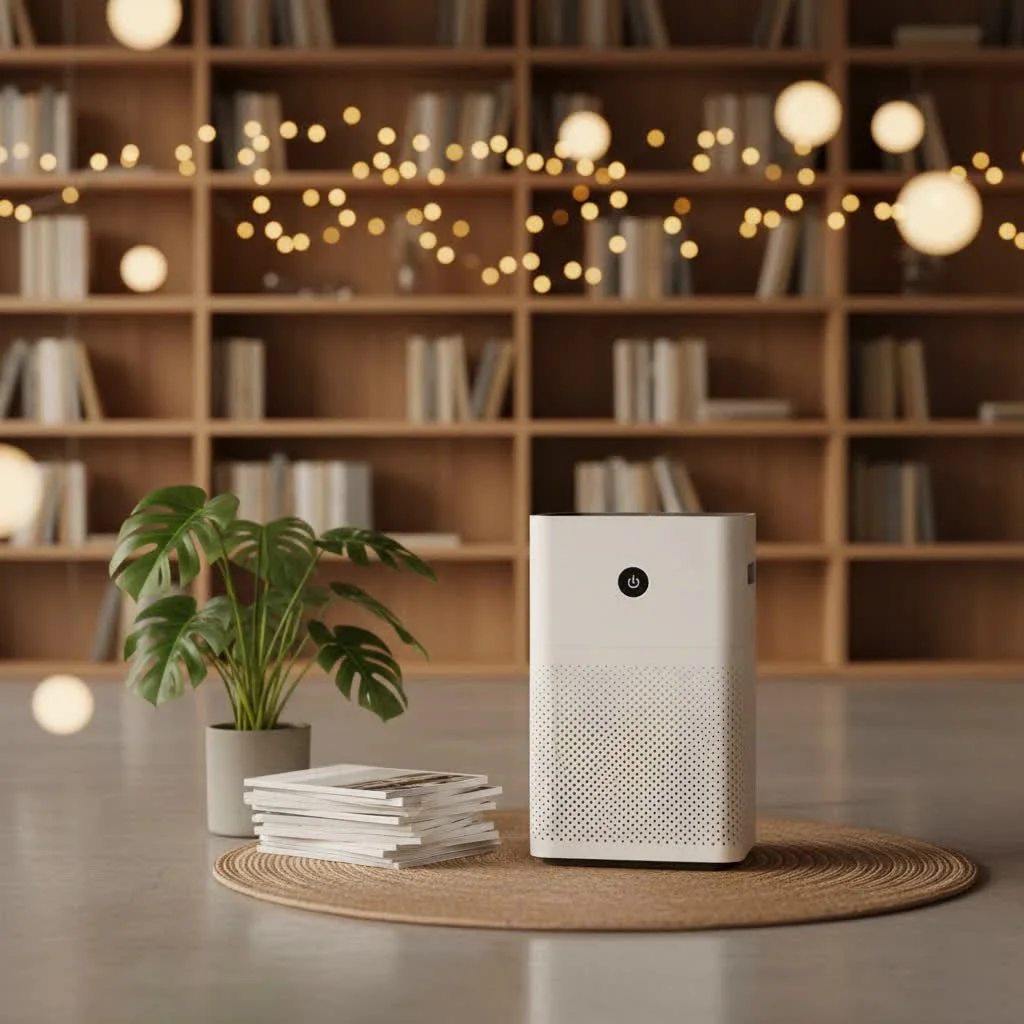
As a seasoned air purification expert with over a decade in the field and a content creator for Rlmex.com, I’ve seen firsthand how advancements in technology are transforming our ability to achieve truly healthy indoor environments. UVC air purifiers, specifically, have emerged as a critical tool, harnessing the power of ultraviolet light to neutralize microscopic threats. But what exactly are they, and how do they work their magic? Let’s dive in.
What Exactly is a UVC Air Purifier and How Does It Work?
At its core, a UVC air purifier utilizes short-wave ultraviolet-C (UVC) light, a specific spectrum of ultraviolet light known for its potent germicidal properties. Think of it as a microscopic bouncer for your air, capable of inactivating harmful airborne pathogens like viruses, bacteria, and mold spores.
The mechanism is fascinatingly simple yet incredibly effective. Air is drawn into the purifier, often through a fan system. Inside, within a completely sealed chamber, this air passes directly over UVC lamps. When airborne microorganisms encounter this high-energy UVC light, their DNA and RNA are damaged. This disruption prevents them from replicating and spreading, effectively rendering them harmless.
You’ll typically find UVC air purifiers in two main forms: standalone portable units designed for individual rooms, or whole-house systems integrated directly into your existing HVAC (Heating, Ventilation, and Air Conditioning) ductwork. Both aim to continuously cycle and purify the air in your space, delivering a consistent flow of cleaner air.
The Powerful Benefits of UVC Air Purification
So, why consider adding a UVC air purifier to your home’s defense system? The advantages, particularly when it comes to biological contaminants, are significant.
First and foremost, UVC air purifiers are incredibly effective at eliminating airborne pathogens. This includes a wide range of viruses, bacteria, and mold spores that can contribute to respiratory issues and general unwellness. Imagine reducing the presence of those tiny invaders that cause colds, flu, and other airborne illnesses – that’s the power of UVC. In fact, studies have even shown its ability to deactivate certain virus particles, including those responsible for COVID-19.
Beyond airborne germs, UVC light is a champion at preventing mold and mildew growth, especially when integrated into HVAC systems. Mold often thrives in the damp coils of air conditioning units. A strategically placed UVC lamp can continuously sanitize these surfaces, stopping mold in its tracks and potentially improving your HVAC system’s efficiency and lifespan.
What’s more, a UVC air purifier acts as an additional safety net. While traditional filters, like HEPA, are fantastic at capturing particles, they don’t kill living organisms. A UVC stage provides that crucial germicidal action. As Dr. Lena Hansen, a leading environmental health specialist, once noted, “In the complex ecosystem of indoor air, UVC purification serves as a vital biological safeguard, offering peace of mind that unseen threats are actively being neutralized.” It’s like having an extra layer of protection, particularly beneficial in households with young children, seniors, or those with compromised immune systems.
Understanding the Limitations: Where UVC Air Purifiers Shine (and Where They Don’t)
While UVC air purifiers are formidable against living microorganisms, it’s essential to understand their specific strengths and limitations to build a truly comprehensive air purification strategy.
Here’s the honest truth: UVC light alone is not effective against all indoor air pollutants. It doesn’t capture inert particulate matter like dust, pollen, pet dander, or smoke. Nor does it typically remove volatile organic compounds (VOCs), gases, or odors that can off-gas from furniture, cleaning products, or cooking.
This is precisely why multi-stage filtration is crucial. The best UVC air purifiers on the market combine UVC technology with other filtration methods. Most commonly, you’ll find them paired with a True HEPA filter to capture fine particles and an activated carbon filter to absorb gases, odors, and VOCs. This synergistic approach ensures that you’re tackling the full spectrum of indoor air contaminants, not just the biological ones. Think of it as a team effort where each filter plays a vital role in delivering truly clean air.
Are UVC Air Purifiers Safe? Addressing Key Concerns
When we talk about ultraviolet light, safety is often the first concern that comes to mind, and rightly so. The good news is that well-designed UVC air purifiers are indeed safe for home use, but there are important distinctions to understand.
The primary concern with UVC light is direct exposure. Just like staring at the sun or spending too much time in a tanning bed, direct contact with UVC rays can be harmful to your skin and eyes. It can cause burns, irritation, and even cataracts over time. However, reputable UVC air purifiers are engineered with this in mind. The UVC lamps are always fully contained within the unit’s sealed chamber, meaning the light is never exposed to occupants in the room. This design is similar to how a microwave oven works – powerful energy is contained within, providing safe operation outside.
Another common concern revolves around ozone production. Ozone is a gas that, while naturally present in the upper atmosphere, can be a lung irritant at ground level. It can trigger asthma attacks, cause chest pain, and irritate the respiratory system. This is a legitimate concern, as some older or lower-quality UVC lamps can produce ozone as a byproduct. However, modern, high-quality UVC air purifiers are specifically designed to be ozone-free or emit extremely low, safe levels. When choosing a unit, always look for certifications that guarantee ozone-free operation or adherence to strict safety standards. The EPA recommends against purchasing air purifiers that intentionally emit ozone.
In essence, when properly installed and used according to manufacturer guidelines, UVC air purifiers are a safe and effective component of a comprehensive indoor air quality strategy. Many hospitals and laboratories have relied on contained UVC technology for decades precisely because of its proven safety when engineered correctly.
Choosing the Right UVC Air Purifier for Your Home
Selecting the perfect UVC air purifier means considering your unique needs and understanding the features that truly matter. Here’s what I recommend looking for:
- Room Size and Coverage (CADR): Air purifiers are rated for specific room sizes. Check the Clean Air Delivery Rate (CADR) if it’s a combined unit. A higher CADR indicates faster purification for dust, pollen, and smoke. Make sure the unit’s coverage matches your room or the entire home if it’s an HVAC integrated system.
- Multi-Stage Filtration: As we discussed, a standalone UVC unit isn’t enough. Look for models that integrate UVC light with a True HEPA filter (for particles) and an activated carbon filter (for odors and VOCs). This combination provides the most comprehensive purification.
- Ozone-Free Certification: This is non-negotiable. Always choose a UVC air purifier that is certified to be ozone-free or has very low, safe ozone emissions. Check for certifications from reputable bodies.
- Bulb Lifespan and Replacement: UVC bulbs have a finite lifespan, typically ranging from 6 to 24 months, depending on usage and model. Factor in the cost and availability of replacement bulbs.
- Noise Level: For standalone units, especially in bedrooms or living areas, consider the noise level (measured in decibels). Some purifiers offer quiet modes for undisturbed sleep.
- Smart Features: Features like air quality sensors, auto mode, timer functions, and filter replacement indicators can enhance convenience and effectiveness.
Whether you opt for a portable unit for targeted purification or a whole-house system for comprehensive air treatment, an informed choice ensures you get the maximum benefit for your investment.
Maintenance Tips for Optimal Performance
Just like any appliance, your UVC air purifier needs a little love to perform at its best. Regular maintenance ensures its longevity and effectiveness.
- Filter Replacement: If your UVC air purifier includes HEPA and carbon filters, adhere strictly to the manufacturer’s recommended replacement schedule. Clogged filters can reduce airflow and purification efficiency, essentially making your unit work harder for less impact.
- UVC Bulb Replacement: UVC bulbs lose their germicidal efficacy over time, even if they still appear to be lit. Refer to your owner’s manual for the recommended replacement interval, which is typically every 6 to 24 months. Failing to replace the bulb means your unit might still move air, but it won’t be sterilizing it.
- Keep it Clean: Periodically wipe down the exterior of your purifier to prevent dust buildup from being drawn into the system. For HVAC integrated units, ensure your system’s ductwork and coils are regularly inspected and cleaned by a professional.
Frequently Asked Questions
Do UVC air purifiers kill viruses like COVID-19?
|
Our Picks for the Best Air Purifier in 2026
As an Amazon Associate I earn from qualifying purchases.
|
||
| Num | Product | Action |
|---|---|---|
| 1 | Air Purifiers for Home Large Room, Cover Up to 2400 Ft² with True HEPA Filter, Smart Mode, PM2.5 Air Quality Display, 22dB Sleep Mode, Aromatherapy with 2X-Purification & 360°Air Outlet, HAP603, White |

|
| 2 | Air Purifiers for Bedroom with H14 True HEPA, Quiet Air Cleaner With Sleep Mode Night Light, Small Air Purifier Covers Up to 1200ft², 360° Air Intake, 3 Speeds, Timer, Aroma Function, Black |
|
| 3 | ECOSELF Smart Air Purifier for Home Large Rooms, with WiFi Control, Covers Up to 2400 Ft², Smart Mode, AQI Display, 22dB Sleep Mode & Aromatherapy with 2X-Power Filtration, HAP603WF, White |
|
| 4 | LEVOIT Air Purifier for Home Allergies Pet Hair in Bedroom, Covers Up to 1073 ft² by 56W High Torque Motor, AHAM VERIFIDE, 3-in-1 Filter with HEPA Sleep Mode, Remove Dust Smoke Odor, Core300-P, White |
|
| 5 | Air Purifiers for Home Large Room Cover Up to 1500 Ft² with True HEPA Filter, 20dB Sleep Mode, 360° Air Intake & Outlet, Air Cleaner for Bedroom Pets, 7 Color Light, HAP604, Bright White |
|
| 6 | LEVOIT Air Purifier for Home Large Room Up to 1073Ft² with Air Quality Monitor, AHAM VERIFIDE, Smart WiFi, Washable Pre-Filter, HEPA Sleep Mode for Pets, Allergies, Dust, Pollen, Vital 100S-P, White |
|
| 7 | Air Purifiers for Home Large Room up to 2200sq.ft with Washable Filters, EVALIT Air Purifiers for Bedroom with Fragrance, PM 2.5 Display Air Quality Sensor for Smoke Dust Odors, White, 1Pack+3Modes |
|
| 8 | LEVOIT Air Purifiers for Home Large Room Up to 1875 Ft² with Washable Pre-Filter, AHAM VERIFIDE, Air Quality Monitor, HEPA Sleep Mode for Allergies, Pet Hair in Bedroom, Vital 200S-P, White |
|
| 9 | KNKA Air Purifier for Home Bedroom Large Room Up to 3,500 Ft², HEPA Air Cleaner with Washable Pre-Filter, AHAM VERIFIDE, AQI Display, ECO Mode, Pet Mode for Pets, Allergies, Dust, Pollen, APH4000 |
|
| 10 | LEVOIT Air Purifiers for Bedroom Home Dorm, AHAM VERIFIED, 3-in-1 Filter Claener with Fragrance Sponge, Portable Filters Smoke, Allergens, Pet Dander, Odor, Dust, Office, Desktop, Core Mini-P, White |
|
Yes, UVC light, particularly UVC-C, has been found to inactivate virus particles, including those similar to COVID-19, by damaging their genetic material. However, for standalone units, the effectiveness depends on the air volume passing through the unit and the exposure time to the UVC light.
Can UVC air purifiers help with allergies?
UVC air purifiers primarily target biological contaminants like mold and bacteria, which can exacerbate allergies. However, they don’t remove common allergens like dust, pollen, or pet dander on their own. For allergy relief, it’s crucial to choose a UVC air purifier that also includes a high-efficiency particulate air (HEPA) filter.
How often should I replace the UVC bulb?
The lifespan of a UVC bulb varies by manufacturer and model, but typically needs replacement every 6 to 24 months. It’s important to consult your specific unit’s manual for the exact recommendation.
Are UVC air purifiers noisy?
Many modern UVC air purifiers are designed for quiet operation, especially when combined with advanced fan technologies. Integrated HVAC UVC systems are virtually silent as they operate within your existing ductwork. For portable units, checking the decibel rating can give you an idea of the noise level.
What’s the difference between a UVC air purifier and a HEPA purifier?
A HEPA purifier mechanically filters out airborne particles like dust, pollen, and pet dander. A UVC air purifier, on the other hand, uses ultraviolet light to inactivate biological contaminants like viruses, bacteria, and mold. The most effective air purification often comes from units that combine both HEPA filtration and UVC sanitization.
Conclusion
Navigating the world of indoor air quality can feel a bit overwhelming, but understanding technologies like UVC air purification empowers you to make smarter choices for your home and health. UVC air purifiers, when part of a well-rounded strategy that includes mechanical filtration, offer a powerful layer of defense against unseen biological threats, contributing significantly to a cleaner, healthier living environment.
As someone dedicated to helping you optimize your indoor air, I encourage you to consider how a UVC air purifier, especially one with multi-stage filtration, can transform your home’s air quality. It’s more than just a gadget; it’s an investment in your well-being. So, take that deep breath, knowing you’re one step closer to truly fresh air.
Get our weekly buyer guide
Practical specs, not advice. Unsubscribe anytime.