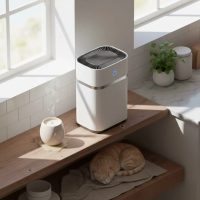
Ever walk into your home and immediately notice a lingering smell from last night’s dinner, or perhaps that distinct “new furniture” scent? These aren’t just minor nuisances; they’re often signs of hidden airborne guests like odors, gases, and volatile organic compounds (VOCs) polluting your indoor environment. That’s where a carbon filter air purifier steps in, acting as your silent guardian against these invisible threats. As someone who’s spent over a decade deep in the world of air purification, I can tell you firsthand that understanding how these powerful devices work is key to truly transforming your indoor air quality.
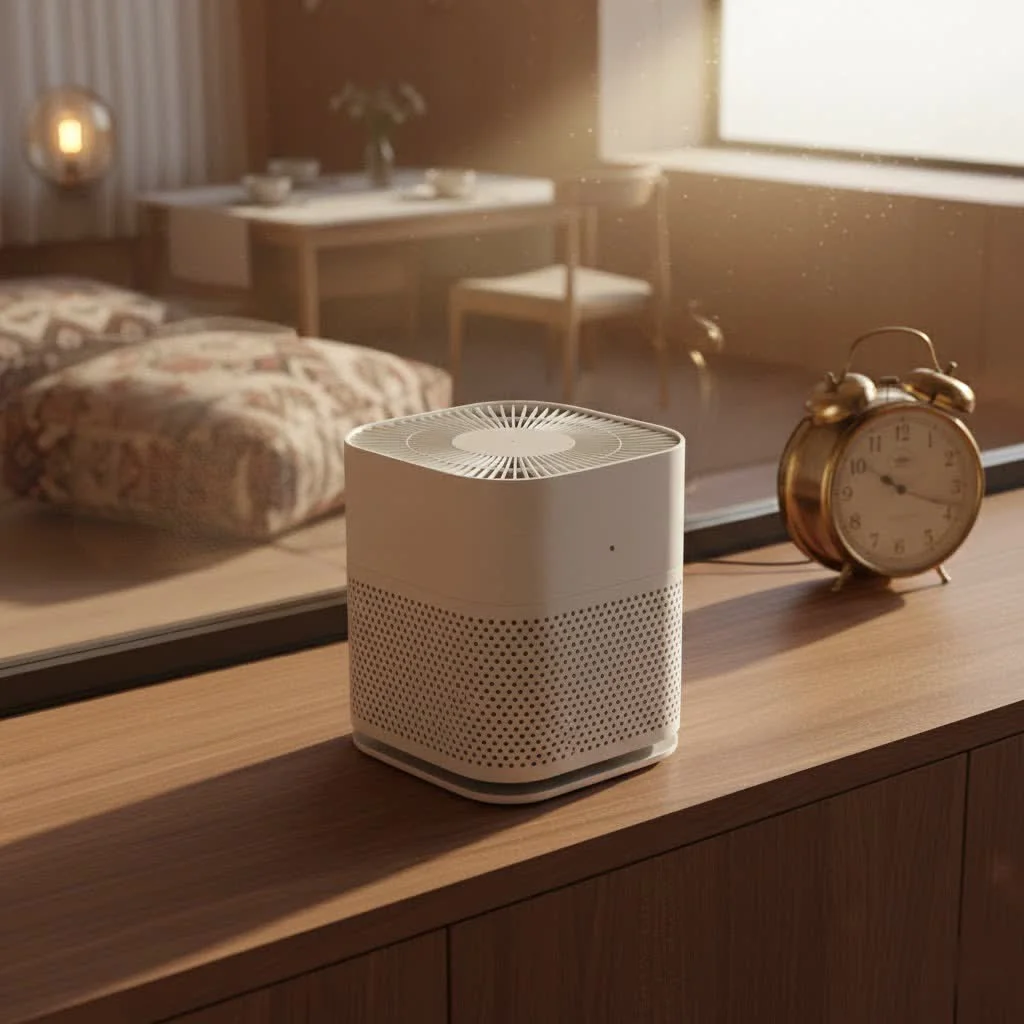
At Rlmex.com, we believe that clean air shouldn’t be a luxury, but a fundamental right. And when it comes to tackling specific airborne contaminants, a carbon filter air purifier is an indispensable tool in your arsenal. It’s not just about filtering dust anymore; it’s about actively neutralizing the smells and chemicals that impact your comfort and health.
What Exactly is a Carbon Filter Air Purifier and How Does It Work?
A carbon filter air purifier is more than just a fan with a fancy filter; it’s a sophisticated system designed to target gaseous pollutants that traditional HEPA filters often miss. The core component, as the name suggests, is the activated carbon filter. But what makes this black, unassuming material so incredibly effective?
The Magic of Activated Carbon (and Why it’s Not Absorption)
Activated carbon, often referred to as activated charcoal, is a highly porous material derived from organic sources like coconut shells, wood, or coal. The “activation” process involves heating this material to extremely high temperatures in a controlled environment, which creates millions of tiny pores within its structure. This process dramatically increases the surface area – imagine a sponge that, when magnified, has an entire labyrinth of tunnels. This vast internal surface is what gives activated carbon its incredible pollutant-capturing capabilities.
It’s crucial to understand that a carbon filter air purifier operates through adsorption, not absorption. Think of it like a magnet, not a sponge. In absorption, a substance is soaked into another. With adsorption, gas and odor molecules are physically attracted to and stick onto the surface of the activated carbon’s pores. This chemical and physical bonding traps the contaminants, preventing them from recirculating back into your breathing air. The more porous the carbon, the more “sticky notes” it has available to capture these unwelcome airborne molecules.
Adsorption in Action: Trapping Unwanted Guests
|
Our Picks for the Best Air Purifier in 2026
As an Amazon Associate I earn from qualifying purchases.
|
||
| Num | Product | Action |
|---|---|---|
| 1 | LEVOIT Air Purifier for Home Large Room Up to 1073Ft² with Air Quality Monitor, AHAM VERIFIDE, Smart WiFi, Washable Pre-Filter, HEPA Sleep Mode for Pets, Allergies, Dust, Pollen, Vital 100S-P, White |

|
| 2 | Air Purifiers for Bedroom with H14 True HEPA, Quiet Air Cleaner With Sleep Mode Night Light, Small Air Purifier Covers Up to 1200ft², 360° Air Intake, 3 Speeds, Timer, Aroma Function, Black |
|
| 3 | LEVOIT Air Purifiers for Bedroom Home Dorm, AHAM VERIFIED, 3-in-1 Filter Claener with Fragrance Sponge, Portable Filters Smoke, Allergens, Pet Dander, Odor, Dust, Office, Desktop, Core Mini-P, White |
|
| 4 | Air Purifiers for Home Large Room, Cover Up to 2400 Ft² with True HEPA Filter, Smart Mode, PM2.5 Air Quality Display, 22dB Sleep Mode, Aromatherapy with 2X-Purification & 360°Air Outlet, HAP603, White |
|
| 5 | LEVOIT Air Purifier for Home Allergies Pet Hair in Bedroom, Covers Up to 1073 ft² by 56W High Torque Motor, AHAM VERIFIDE, 3-in-1 Filter with HEPA Sleep Mode, Remove Dust Smoke Odor, Core300-P, White |
|
| 6 | LEVOIT Air Purifiers for Home Large Room Up to 1875 Ft² with Washable Pre-Filter, AHAM VERIFIDE, Air Quality Monitor, HEPA Sleep Mode for Allergies, Pet Hair in Bedroom, Vital 200S-P, White |
|
| 7 | Air Purifiers for Home Large Room up to 2200sq.ft with Washable Filters, EVALIT Air Purifiers for Bedroom with Fragrance, PM 2.5 Display Air Quality Sensor for Smoke Dust Odors, White, 1Pack+3Modes |
|
| 8 | Air Purifiers for Home Large Room Cover Up to 1500 Ft² with True HEPA Filter, 20dB Sleep Mode, 360° Air Intake & Outlet, Air Cleaner for Bedroom Pets, 7 Color Light, HAP604, Bright White |
|
| 9 | KNKA Air Purifier for Home Bedroom Large Room Up to 3,500 Ft², HEPA Air Cleaner with Washable Pre-Filter, AHAM VERIFIDE, AQI Display, ECO Mode, Pet Mode for Pets, Allergies, Dust, Pollen, APH4000 |
|
| 10 | ECOSELF Smart Air Purifier for Home Large Rooms, with WiFi Control, Covers Up to 2400 Ft², Smart Mode, AQI Display, 22dB Sleep Mode & Aromatherapy with 2X-Power Filtration, HAP603WF, White |
|
When air is drawn into your carbon filter air purifier, it first passes through any pre-filters designed to capture larger particles like dust and pet hair. Then, the air flows through the activated carbon layer. As the gaseous pollutants, VOCs, and odor molecules make contact with the intricate network of pores in the activated carbon, they are adsorbed onto the surface. The purified air, now stripped of these gaseous impurities, is then released back into your room, leaving you with a noticeably fresher environment. This precise mechanism is what sets a carbon filter air purifier apart from systems that only focus on particulate matter.
“Many people mistakenly believe all air filters work the same way,” says Dr. Elena Petrova, a leading expert in atmospheric chemistry. “But the unique adsorption process of activated carbon is specifically engineered to target molecular pollutants that often go unnoticed, yet significantly impact our indoor air quality and long-term health.”
What Can a Carbon Filter Air Purifier Tackle?
The capabilities of a carbon filter air purifier extend far beyond simply removing dust. They are specialized champions in the fight against a range of gaseous contaminants and odors that can compromise your home’s air quality.
Eliminating Stubborn Odors
Have you ever tried to get rid of pet odors, cooking smells, or that musty scent from a damp basement? Traditional air fresheners only mask these odors temporarily. A carbon filter air purifier, however, actively removes the odor-causing molecules from the air. This makes it incredibly effective for:
- Pet Odors: From litter boxes to pet dander, animal smells can permeate a home. A carbon filter neutralizes these.
- Cooking Smells: Garlic, fried foods, and spices can linger for hours. Carbon filters significantly reduce these persistent kitchen aromas.
- Smoke: Whether from cigarettes, fireplaces, or even wildfire smoke, a carbon filter can reduce both the particulate matter (in conjunction with HEPA) and the gaseous components that cause lingering smoke smells.
- Mildew and Musty Odors: Often found in basements or bathrooms, these smells are indicative of mold or dampness, and carbon filters can help mitigate them.
Battling Harmful Gases and VOCs
Beyond just bad smells, many common household items and activities release invisible, harmful gases and Volatile Organic Compounds (VOCs) into your air. These can come from surprising sources, and a carbon filter air purifier is your best defense. These include:
- Chemical Cleaning Products: Many sprays, disinfectants, and detergents release VOCs like formaldehyde and ammonia.
- Paints, Solvents, and Adhesives: The “new paint smell” or the scent of glues are direct indicators of VOCs off-gassing into your home.
- New Furniture and Carpeting: The infamous “new car smell” or the scent from new flooring is often a cocktail of VOCs like benzene, which can irritate eyes and airways.
- Air Fresheners and Scented Candles: Ironically, some products designed to make your home smell better can release their own set of VOCs.
- Pesticides: Residues and airborne particles from pest control products.
Exposure to these VOCs can lead to symptoms like headaches, dizziness, and eye irritation in the short term, and potentially more serious health issues over time. A robust carbon filter air purifier is designed to capture these molecular threats, significantly reducing your exposure.
The Synergy with Other Filters (HEPA, Pre-filters)
While carbon filters excel at gaseous pollutants, they are often part of a multi-stage filtration system for maximum efficiency. Most high-quality air purifiers combine activated carbon with other filter types:
- Pre-filters: These are the first line of defense, trapping larger particles like dust, hair, and lint, which helps extend the life of the carbon and HEPA filters.
- HEPA Filters: High-Efficiency Particulate Air (HEPA) filters are the gold standard for removing microscopic particles, including allergens, pollen, dust mites, pet dander, and mold spores. They are incredibly effective at capturing particles as small as 0.3 microns with 99.97% efficiency.
When a carbon filter air purifier is paired with a HEPA filter, you get a comprehensive air purification solution that tackles both particulate matter and gaseous pollutants, providing a holistic approach to clean indoor air. It’s truly the best of both worlds.
Who Benefits Most from a Carbon Filter Air Purifier?
While anyone can experience improved air quality with a carbon filter air purifier, certain individuals and households will find them particularly transformative.
Pet Owners, Cooks, and Those Combatting Lingering Smells
If your home often smells like your furry friends or your culinary adventures, a carbon filter is a game-changer. Pet owners frequently deal with dander and animal odors that can permeate fabrics and surfaces. Cooks know the struggle of onion or fish smells stubbornly sticking around. A dedicated carbon filter air purifier in these areas will neutralize these odors, ensuring your home always smells fresh and inviting. Even those living in older homes with musty basements or lingering “old house” smells will notice a significant difference.
Protecting Your Home from Chemical Off-Gassing
Many modern homes, especially new builds or recently renovated spaces, are filled with new furniture, carpets, and fresh paint. These items continuously release VOCs for weeks or even months. Individuals sensitive to chemicals, or families with young children, will greatly benefit from a carbon filter air purifier to actively remove these invisible chemicals, creating a healthier living environment. It’s an essential tool for mitigating “new product” smells that are often far more than just an annoyance.
Addressing Specific Air Quality Concerns
Beyond general household odors and VOCs, a carbon filter air purifier can be particularly helpful for those dealing with specific environmental factors. If you live near industrial areas, heavy traffic, or frequently experience wildfire smoke, the air in your home can be exposed to higher levels of gaseous pollutants. Smokers, or those living with them, will also find activated carbon filters invaluable in reducing secondhand smoke odors and related airborne irritants.
Choosing the Right Carbon Filter Air Purifier: What to Look For
Selecting the ideal carbon filter air purifier involves more than just picking the first one you see. As a seasoned expert, I always advise clients to consider a few key factors to ensure they get the best performance for their specific needs.
Filter Quality and Granular Carbon
Not all carbon filters are created equal. Look for air purifiers that use granular activated carbon rather than thin, woven carbon sheets. Granular carbon provides a much larger surface area and a denser bed for adsorption, making it significantly more effective at trapping gases and odors. The more carbon (measured in pounds) in the filter, the better its capacity and lifespan for removing gaseous pollutants. Thin carbon pre-filters are good for extending the life of a HEPA filter by catching larger particles and some very light odors, but for serious odor and VOC removal, a substantial granular carbon filter is essential.
CADR and Room Size Compatibility
Clean Air Delivery Rate (CADR) is a measure of how quickly an air purifier cleans a room of specific pollutants (dust, pollen, smoke). While CADR primarily relates to particulate matter, it’s still important for the overall efficiency of your carbon filter air purifier. Ensure the purifier’s CADR matches the square footage of the room where you plan to use it. A unit that’s too small for the room won’t be able to cycle the air effectively enough to make a significant impact on odors or VOCs. Always choose a purifier rated for a room size slightly larger than your actual space for optimal performance.
Noise Levels and Smart Features
An air purifier is meant to improve your living environment, not disrupt it. Check the noise levels (measured in decibels, dB) at different fan speeds. For bedrooms or quiet living areas, look for models that operate below 50 dB on their highest setting, and ideally much lower on their sleep or low settings. Many modern carbon filter air purifier models also come with smart features like air quality sensors, auto mode (which adjusts fan speed based on detected pollution), timers, and app control. These features can enhance convenience and energy efficiency, helping you maintain optimal air quality effortlessly.
Maintaining Your Carbon Filter Air Purifier for Peak Performance
Even the most advanced carbon filter air purifier needs a little TLC to keep running efficiently. Proper maintenance is not just about extending the life of your unit; it’s about ensuring it continues to effectively clean your air.
When and How to Replace Your Carbon Filter
Unlike HEPA filters, which physically trap particles until they’re full, carbon filters work by adsorption until their surface area is saturated. Once the carbon is “full,” it can no longer adsorb new pollutants, and in some cases, it may even begin to release previously adsorbed chemicals back into the air (though this is rare with proper replacement).
The lifespan of a carbon filter varies greatly depending on the amount of carbon, the level of pollution in your environment, and the manufacturer’s recommendations. Generally, carbon filters need to be replaced every 3 to 12 months. If you notice a return of odors or a decrease in air freshness, it’s a strong indicator that your carbon filter is exhausted and needs changing. Always refer to your specific purifier’s manual for precise replacement schedules and instructions. It’s usually a simple process of opening a panel and swapping out the old filter for a new one.
Simple Tips for Longevity
Beyond regular filter replacement, a few simple practices can help your carbon filter air purifier last longer and perform better:
- Clean Pre-filters Regularly: If your unit has washable pre-filters, clean them every 2-4 weeks to prevent larger particles from clogging the more delicate carbon and HEPA filters.
- Place Strategically: Position your air purifier in an area where air can circulate freely, away from walls or furniture that might obstruct airflow. Placing it near the source of odors (like a kitchen or litter box) can also be beneficial.
- Run Consistently: For continuous air purification, it’s often best to run your unit for several hours a day, or even 24/7 on a low setting, especially in areas with ongoing odor or VOC sources.
- Avoid Excessive Moisture: High humidity can affect the performance of activated carbon, so ensure your environment isn’t excessively damp.
Conclusion
Bringing a carbon filter air purifier into your home is an investment in your health and comfort, transforming your indoor environment from stale to fresh, and from chemically laden to clean. By understanding the unique power of activated carbon and how it tackles odors, gases, and VOCs, you can make informed decisions that lead to significantly improved air quality. From neutralizing pet smells and cooking odors to combating the invisible chemicals off-gassing from everyday items, these devices are indispensable tools for modern living.
Don’t let invisible pollutants compromise your well-being. Take control of your indoor air, breathe deeper, and enjoy the true freshness that a dedicated carbon filter air purifier can provide. Your lungs (and nose) will thank you.
Get our weekly buyer guide
Practical specs, not advice. Unsubscribe anytime.