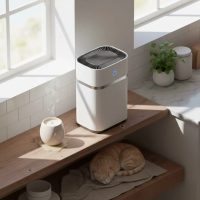
Imagine stepping into your home and taking a deep breath, knowing the air you inhale is pure, clean, and free from invisible threats. For many, this isn’t a given. Our indoor environments, surprisingly, can be up to five times more polluted than the air outside, teeming with dust, allergens, and other airborne particles. This is where a HEPA filter air purifier becomes your home’s unseen guardian, diligently working to transform your living space into a sanctuary of fresh air. If you’ve ever wondered how to genuinely improve your indoor air quality, understanding the power of a HEPA filter is your first essential step.
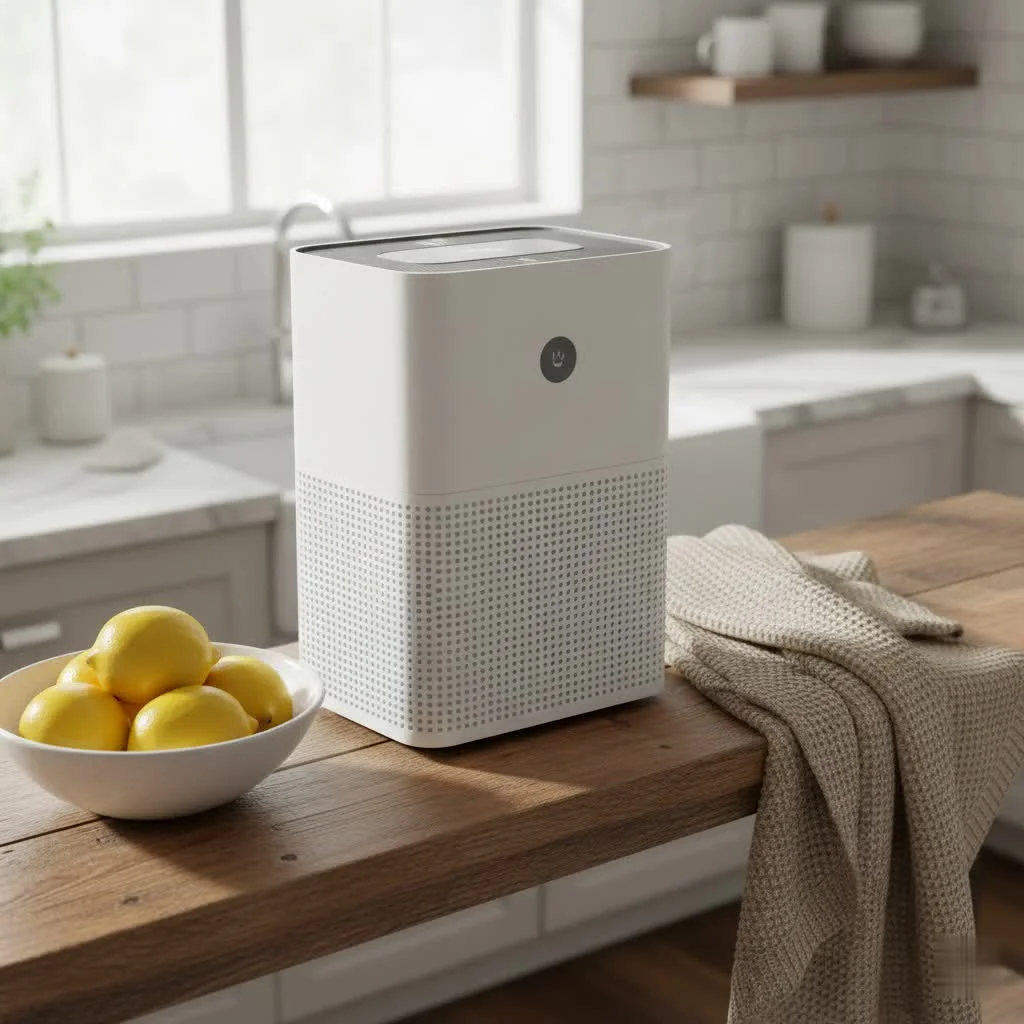
What Exactly is a HEPA Filter Air Purifier?
At its core, HEPA stands for High-Efficiency Particulate Air. It’s not just a fancy acronym; it’s a filtration standard developed by the U.S. Department of Energy. To earn the “True HEPA” designation, a filter must be proven to capture at least 99.97% of airborne particles as tiny as 0.3 microns. To put that into perspective, the human eye can barely see anything smaller than 50-60 microns. We’re talking about microscopic adversaries! For see our air purifiers recommendations on this site.
A HEPA filter’s secret lies in its intricate design: a dense, interwoven mat of fine glass fibers. As air is drawn through this filter, particles are trapped through a combination of three main mechanisms:
- Interception: Particles following the air stream come into contact with a fiber and stick to it.
- Impaction: Larger, heavier particles can’t navigate the filter’s winding pathways and collide directly with the fibers.
- Diffusion: The smallest, lightest particles move erratically (Brownian motion), increasing their likelihood of hitting and adhering to the fibers.
This sophisticated mechanical filtration ensures that even the most elusive contaminants are captured, providing a level of air purification unmatched by conventional filters.
Why Choose a HEPA Filter Air Purifier? The Unbeatable Benefits
The advantages of integrating a HEPA filter air purifier into your home extend far beyond just “cleaner air.” They touch upon health, comfort, and overall well-being.
A Breath of Fresh Air for Allergy and Asthma Sufferers
If you or a loved one struggles with allergies or asthma, you know the constant battle against triggers. A HEPA filter air purifier is a powerful ally, expertly capturing the common culprits that lurk in your indoor air. This includes pet dander, pollen, dust mites, and mold spores – all notorious for instigating sneezing, watery eyes, and respiratory distress. By significantly reducing your exposure to these airborne allergens, you can experience noticeable relief and breathe more comfortably, day and night.
Tackling Indoor Pollutants Head-On
|
Our Picks for the Best Air Purifier in 2026
As an Amazon Associate I earn from qualifying purchases.
|
||
| Num | Product | Action |
|---|---|---|
| 1 | LEVOIT Air Purifiers for Home Large Room Up to 1875 Ft² with Washable Pre-Filter, AHAM VERIFIDE, Air Quality Monitor, HEPA Sleep Mode for Allergies, Pet Hair in Bedroom, Vital 200S-P, White |

|
| 2 | KNKA Air Purifier for Home Bedroom Large Room Up to 3,500 Ft², HEPA Air Cleaner with Washable Pre-Filter, AHAM VERIFIDE, AQI Display, ECO Mode, Pet Mode for Pets, Allergies, Dust, Pollen, APH4000 |
|
| 3 | LEVOIT Air Purifiers for Bedroom Home Dorm, AHAM VERIFIED, 3-in-1 Filter Claener with Fragrance Sponge, Portable Filters Smoke, Allergens, Pet Dander, Odor, Dust, Office, Desktop, Core Mini-P, White |
|
| 4 | Air Purifiers for Home Large Room Cover Up to 1500 Ft² with True HEPA Filter, 20dB Sleep Mode, 360° Air Intake & Outlet, Air Cleaner for Bedroom Pets, 7 Color Light, HAP604, Bright White |
|
| 5 | Air Purifiers for Home Large Room up to 2200sq.ft with Washable Filters, EVALIT Air Purifiers for Bedroom with Fragrance, PM 2.5 Display Air Quality Sensor for Smoke Dust Odors, White, 1Pack+3Modes |
|
| 6 | Air Purifiers for Home Large Room, Cover Up to 2400 Ft² with True HEPA Filter, Smart Mode, PM2.5 Air Quality Display, 22dB Sleep Mode, Aromatherapy with 2X-Purification & 360°Air Outlet, HAP603, White |
|
| 7 | ECOSELF Smart Air Purifier for Home Large Rooms, with WiFi Control, Covers Up to 2400 Ft², Smart Mode, AQI Display, 22dB Sleep Mode & Aromatherapy with 2X-Power Filtration, HAP603WF, White |
|
| 8 | Air Purifiers for Bedroom with H14 True HEPA, Quiet Air Cleaner With Sleep Mode Night Light, Small Air Purifier Covers Up to 1200ft², 360° Air Intake, 3 Speeds, Timer, Aroma Function, Black |
|
| 9 | LEVOIT Air Purifier for Home Allergies Pet Hair in Bedroom, Covers Up to 1073 ft² by 56W High Torque Motor, AHAM VERIFIDE, 3-in-1 Filter with HEPA Sleep Mode, Remove Dust Smoke Odor, Core300-P, White |
|
| 10 | LEVOIT Air Purifier for Home Large Room Up to 1073Ft² with Air Quality Monitor, AHAM VERIFIDE, Smart WiFi, Washable Pre-Filter, HEPA Sleep Mode for Pets, Allergies, Dust, Pollen, Vital 100S-P, White |
|
Our homes are often filled with a surprising array of pollutants. From everyday household dust and pet dander to more insidious elements like smoke particles (from cooking or tobacco) and fine particulate matter (PM2.5), these airborne invaders can impact your health over time. A HEPA filter air purifier effectively removes these particles, preventing them from settling on surfaces or, more importantly, entering your lungs. This is especially crucial in urban areas where external pollution can seep indoors or in homes with active kitchens.
Improving Overall Health and Well-being
Beyond direct allergen removal, consistent use of a HEPA filter air purifier contributes to a healthier living environment for everyone. Cleaner air can lead to better sleep, fewer instances of respiratory irritation, and a general sense of improved well-being. Reducing your body’s burden of filtering polluted air allows your respiratory system to work more efficiently, potentially boosting immunity and contributing to a longer, healthier life.
Navigating the Market: Choosing the Right HEPA Air Purifier
With so many options available, selecting the perfect HEPA filter air purifier might seem daunting. However, by focusing on a few key factors, you can make an informed decision tailored to your specific needs.
Room Size Matters: CADR Ratings Explained
One of the most critical metrics is the Clean Air Delivery Rate (CADR). This rating, often certified by the Association of Home Appliance Manufacturers (AHAM), tells you how quickly the air purifier can remove specific pollutants (smoke, pollen, and dust) from a room of a particular size. A higher CADR means faster and more efficient air cleaning.
“When selecting an air purifier, always match the CADR rating to your room’s square footage,” advises Dr. Anya Sharma, a leading air quality specialist at Rlmex.com. “A unit with a CADR of 250 for dust might be perfect for a medium-sized bedroom, but you’ll need a much higher rating for an open-concept living area to truly experience optimal purification.”
True HEPA vs. HEPA-type/HEPA-like: Don’t Be Fooled!
This is where many consumers can be misled. Only “True HEPA” filters meet the stringent 99.97% efficiency standard for 0.3-micron particles. Terms like “HEPA-type,” “HEPA-like,” or “99% effective” often indicate a lower filtration capability that doesn’t provide the same level of protection. Always look for explicit “True HEPA” or, for even higher filtration, “Medical Grade HEPA” (H13 or H14) labels, especially if you have severe allergies or respiratory conditions.
Additional Filtration Stages: Beyond the HEPA
While HEPA filters are superstars at particle removal, they don’t tackle everything. For comprehensive air purification, consider models that include:
- Activated Carbon Filters: These are essential for absorbing odors, gases, volatile organic compounds (VOCs), and chemical fumes that HEPA filters cannot capture. If cooking smells, pet odors, or chemical scents are a concern, an activated carbon layer is a must-have.
- Pre-filters: Often the first line of defense, pre-filters capture larger particles like hair and lint, protecting the HEPA filter and extending its lifespan. These are usually washable.
Noise Levels and Energy Efficiency
An air purifier is meant to run continuously, so noise levels are a significant consideration, especially for bedrooms or quiet workspaces. Look for models with decibel ratings suitable for your environment. Additionally, choose Energy Star certified units to ensure efficient operation without significantly impacting your electricity bill.
Smart Features and Controls
Modern HEPA filter air purifiers often come with convenient features like air quality sensors, auto modes that adjust fan speed based on detected pollution, filter replacement indicators, and even Wi-Fi connectivity for remote control via smartphone apps. These features enhance user experience and ensure the unit is always working optimally.
Keeping Your HEPA Air Purifier in Top Shape: Maintenance Tips
Just like any high-performing appliance, your HEPA filter air purifier requires proper care to maintain its efficiency.
Regular Filter Replacement is Key
This is arguably the most crucial maintenance step. True HEPA filters are not designed to be washed; attempting to clean them can damage the delicate fibers and drastically reduce their effectiveness. Instead, they need to be replaced periodically. Manufacturers typically recommend replacing HEPA filters every 6 to 12 months, though this can vary based on usage, indoor air quality, and the specific model. Always consult your owner’s manual for precise guidelines. Forgetting to replace filters can lead to reduced airflow, decreased purification, and potentially even re-releasing trapped pollutants back into your air.
Cleaning Pre-filters
Many air purifiers include a washable pre-filter. Check your manual; if yours is washable, gently rinse it under cold water until the water runs clear. Allow it to air dry completely before reinserting it. Regularly cleaning the pre-filter helps extend the life of your more expensive HEPA filter.
Proper Placement for Optimal Airflow
To maximize your air purifier’s effectiveness, ensure it’s placed in an area with good air circulation, away from walls, furniture, or curtains that could obstruct airflow. Central locations in the rooms you use most frequently are often ideal.
Common Misconceptions About HEPA Air Purifiers
Despite their widespread popularity, there are still a few misunderstandings about what HEPA filter air purifiers can and cannot do.
Do They Remove Odors?
A common myth is that HEPA filters alone will eliminate all odors. While they can trap some odor-causing particles, their primary function is particulate removal. For effective odor and gas elimination, an air purifier must also incorporate an activated carbon filter.
Are They All the Same?
Absolutely not! As discussed earlier, the distinction between “True HEPA” and “HEPA-type” is significant. Furthermore, the quality of construction, fan power (impacting CADR), additional features, and brand reputation can vary widely, directly affecting performance and longevity.
Can They Remove Viruses?
HEPA filters can effectively capture airborne particles that carry viruses, but they do not kill or deactivate the viruses themselves. Their role is to physically trap these virus-laden particles, thereby reducing their presence in the air. For situations requiring virus deactivation, additional technologies like UV-C light (often integrated into advanced purifiers) may be considered, but a HEPA filter remains foundational for particle removal.
Frequently Asked Questions
Q: How often should I run my HEPA filter air purifier?
A: For optimal results, it’s best to run your HEPA filter air purifier continuously, especially in rooms where you spend the most time. Modern units are designed to be energy-efficient for ongoing use.
Q: Can a HEPA filter air purifier help with pet allergies?
A: Yes, absolutely! HEPA filter air purifiers are highly effective at capturing pet dander, which is a common allergen. For best results, look for units with a strong CADR rating and consider one with an activated carbon filter to also address pet odors.
Q: What’s the ideal CADR for my room size?
A: A general rule of thumb is to choose a CADR rating that is at least two-thirds the square footage of your room. For example, a 300 sq ft room would benefit from an air purifier with a CADR of 200 CFM or higher. However, for severe allergies, aim for an even higher CADR to achieve more air changes per hour (ACH).
Q: Are HEPA filters expensive to replace?
A: Replacement costs vary by brand and model, typically ranging from $30 to $100+ per filter. While it’s an ongoing expense, think of it as an investment in your health. Some pre-filters can be washed, which helps prolong the life of the HEPA filter and reduce replacement frequency.
Q: Do HEPA air purifiers produce ozone?
A: True HEPA air purifiers themselves do not produce ozone. However, some air purifiers use additional technologies, like ionizers or UV-C lights, which can potentially produce small amounts of ozone. If you are concerned about ozone, look for CARB certified (California Air Resources Board) air purifiers, which have strict limits on ozone emissions, or opt for models that rely purely on mechanical filtration (HEPA and activated carbon).
Conclusion
The air we breathe profoundly impacts our health and comfort. Investing in a HEPA filter air purifier is a proactive step towards creating a healthier, more refreshing indoor environment for you and your family. By understanding what a True HEPA filter is, how it works, and how to choose and maintain the right unit, you’re empowered to take control of your indoor air quality. Don’t just settle for air; breathe truly clean air. Make the smart choice today and experience the undeniable benefits of a high-quality HEPA filter air purifier, transforming your home into a haven of fresh, pure air that truly elevates your everyday life.
Get our weekly buyer guide
Practical specs, not advice. Unsubscribe anytime.