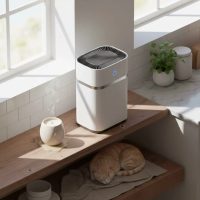
Ever walk into your home and feel the air is heavy or your allergies act up for no apparent reason? You’re not alone. The air inside our homes can often be significantly more polluted than the air outdoors, harboring unseen threats like dust, pollen, pet dander, mold spores, and even harmful chemicals. This is where an air cleaner purifier steps in as your silent guardian, working tirelessly to transform your indoor environment. Whether you call it an air cleaner or an air purifier, these indispensable devices are your first line of defense against airborne contaminants, ensuring the air you breathe is as pristine as possible. This comprehensive guide will demystify everything about air cleaner purifiers, from how they work to choosing the perfect one for your space and maintaining it for peak performance.
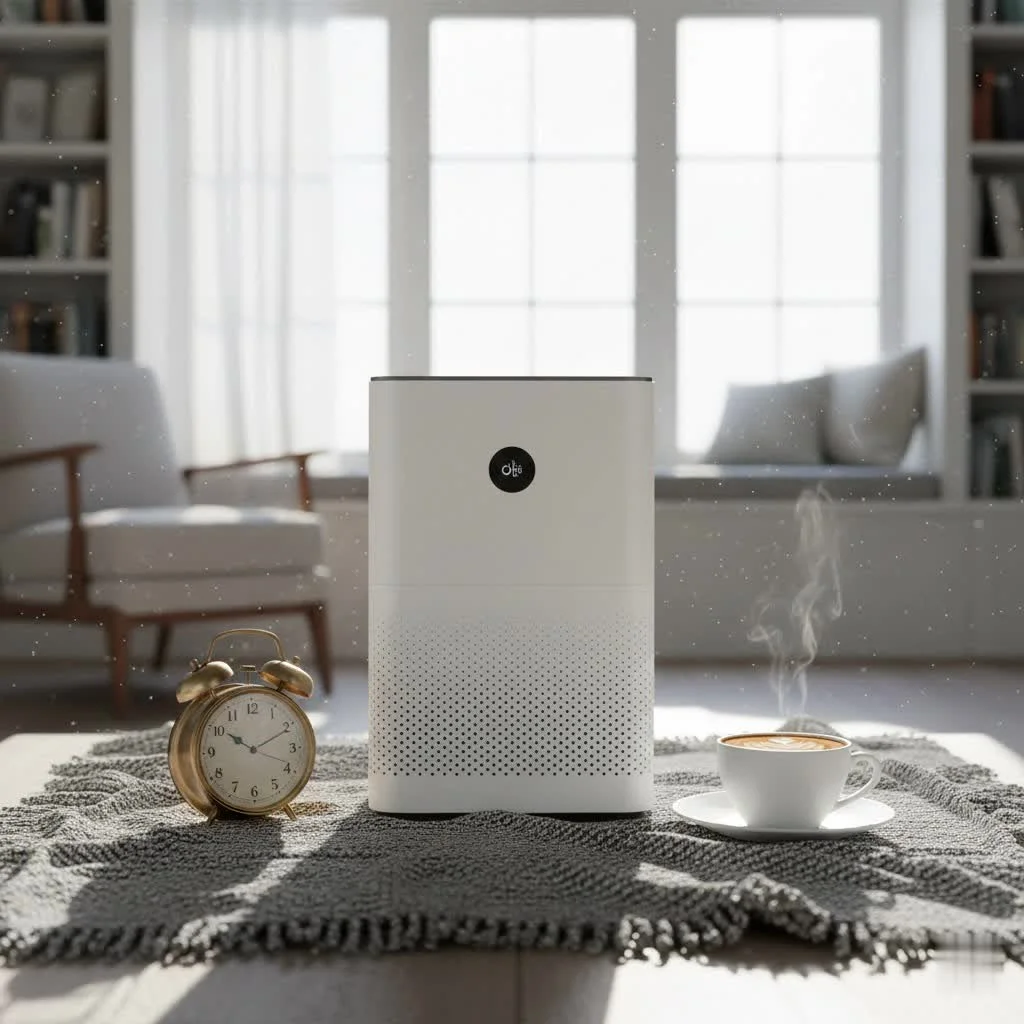
What Exactly is an Air Cleaner Purifier?
Let’s clear the air right from the start: the terms “air cleaner” and “air purifier” are virtually interchangeable. Both refer to a device designed to remove contaminants from the air in a room, significantly improving indoor air quality. Think of them as diligent, microscopic vacuum cleaners for your lungs, continuously drawing in stale, polluted air, filtering out harmful particles and gases, and then circulating fresh, clean air back into your living space.
Why is this so crucial? Because our homes, despite appearing clean, are often sealed environments where pollutants accumulate. Sources can include everything from cooking fumes and pet dander to volatile organic compounds (VOCs) released by furniture, cleaning products, and paints. Without proper ventilation, these contaminants can lead to a host of health issues, from minor irritations like sneezing and coughing to more serious respiratory conditions. An effective air cleaner purifier is a proactive step towards mitigating these risks and fostering a healthier atmosphere for you and your family.
The Science Behind the Clean: How Air Purifiers Work
At its core, an air cleaner purifier operates on a relatively simple principle: a fan pulls air into the unit, where it passes through one or more specialized filters or purification technologies before being released back into the room. The real magic, however, lies in the specific technologies employed.
The Workhorse: HEPA Filters
When it comes to trapping airborne particles, High-Efficiency Particulate Air (HEPA) filters are the undisputed champions. These dense, fibrous filters are engineered to capture 99.97% of airborne particles as small as 0.3 microns. To put that into perspective, this includes common allergens like dust mites, pollen, pet dander, mold spores, and even some bacteria and viruses. The maze-like structure of a HEPA filter ensures that these tiny invaders get stuck and don’t re-enter your air.
However, it’s important to note what HEPA filters don’t do. While incredibly effective against particulate matter, they are not designed to remove gases, chemical odors, or VOCs. For those types of pollutants, you’ll need additional filtration layers.
Tackling Odors and Chemicals: Activated Carbon Filters
|
Our Picks for the Best Air Purifier in 2026
As an Amazon Associate I earn from qualifying purchases.
|
||
| Num | Product | Action |
|---|---|---|
| 1 | LEVOIT Air Purifier for Home Large Room Up to 1073Ft² with Air Quality Monitor, AHAM VERIFIDE, Smart WiFi, Washable Pre-Filter, HEPA Sleep Mode for Pets, Allergies, Dust, Pollen, Vital 100S-P, White |

|
| 2 | KNKA Air Purifier for Home Bedroom Large Room Up to 3,500 Ft², HEPA Air Cleaner with Washable Pre-Filter, AHAM VERIFIDE, AQI Display, ECO Mode, Pet Mode for Pets, Allergies, Dust, Pollen, APH4000 |
|
| 3 | ECOSELF Smart Air Purifier for Home Large Rooms, with WiFi Control, Covers Up to 2400 Ft², Smart Mode, AQI Display, 22dB Sleep Mode & Aromatherapy with 2X-Power Filtration, HAP603WF, White |
|
| 4 | Air Purifiers for Bedroom with H14 True HEPA, Quiet Air Cleaner With Sleep Mode Night Light, Small Air Purifier Covers Up to 1200ft², 360° Air Intake, 3 Speeds, Timer, Aroma Function, Black |
|
| 5 | LEVOIT Air Purifiers for Home Large Room Up to 1875 Ft² with Washable Pre-Filter, AHAM VERIFIDE, Air Quality Monitor, HEPA Sleep Mode for Allergies, Pet Hair in Bedroom, Vital 200S-P, White |
|
| 6 | LEVOIT Air Purifiers for Bedroom Home Dorm, AHAM VERIFIED, 3-in-1 Filter Claener with Fragrance Sponge, Portable Filters Smoke, Allergens, Pet Dander, Odor, Dust, Office, Desktop, Core Mini-P, White |
|
| 7 | Air Purifiers for Home Large Room up to 2200sq.ft with Washable Filters, EVALIT Air Purifiers for Bedroom with Fragrance, PM 2.5 Display Air Quality Sensor for Smoke Dust Odors, White, 1Pack+3Modes |
|
| 8 | LEVOIT Air Purifier for Home Allergies Pet Hair in Bedroom, Covers Up to 1073 ft² by 56W High Torque Motor, AHAM VERIFIDE, 3-in-1 Filter with HEPA Sleep Mode, Remove Dust Smoke Odor, Core300-P, White |
|
| 9 | Air Purifiers for Home Large Room, Cover Up to 2400 Ft² with True HEPA Filter, Smart Mode, PM2.5 Air Quality Display, 22dB Sleep Mode, Aromatherapy with 2X-Purification & 360°Air Outlet, HAP603, White |
|
| 10 | Air Purifiers for Home Large Room Cover Up to 1500 Ft² with True HEPA Filter, 20dB Sleep Mode, 360° Air Intake & Outlet, Air Cleaner for Bedroom Pets, 7 Color Light, HAP604, Bright White |
|
This is where activated carbon filters come into play, often working in tandem with HEPA filters. Activated carbon is a highly porous material treated to increase its surface area, making it incredibly effective at adsorbing gaseous pollutants. Unlike HEPA filters that physically trap particles, activated carbon uses a process called adsorption, where gases and chemical molecules chemically bond to the carbon surface.
This technology excels at neutralizing unpleasant odors from cooking, pets, and smoke, as well as absorbing harmful volatile organic compounds (VOCs) that off-gas from household items. Pairing an activated carbon filter with a HEPA filter creates a formidable duo, addressing both particulate matter and gaseous contaminants.
Ionizers and Electrostatic Precipitators: A Different Approach
Some air cleaner purifiers utilize ionizers or electrostatic precipitators. These systems work by releasing negatively charged ions into the air, which attach to airborne particles like dust, pollen, and pet dander. Once charged, these particles become heavier and either fall out of the air onto surfaces in the room or are attracted to oppositely charged collector plates within the purifier itself.
While effective, it’s worth noting that some older or less advanced ionizing purifiers can produce trace amounts of ozone, which can be an irritant for individuals with respiratory sensitivities. Modern designs, particularly those with collector plates, are generally safer, but it’s always wise to check for certifications that guarantee minimal ozone output.
Zapping Germs: UV-C Light Technology
For an added layer of defense against microscopic invaders, some air cleaner purifiers incorporate UV-C light technology. Ultraviolet germicidal irradiation (UVGI) works by exposing airborne bacteria, viruses, and mold spores to a UV-C lamp as they pass through the unit. The UV-C light disrupts the DNA and RNA of these microorganisms, rendering them inactive and preventing them from reproducing and spreading.
It’s crucial to understand that UV-C light doesn’t remove solid particles or gaseous pollutants. It’s a supplementary technology best used in conjunction with HEPA and activated carbon filters for comprehensive air purification. Like ionizers, ensuring a reputable brand and proper design is key, as improper use or low-quality UV-C can potentially produce unwanted byproducts.
“Integrating multiple filtration technologies, such as True HEPA, activated carbon, and even responsible UV-C, offers the most comprehensive solution for capturing a wider spectrum of indoor air pollutants,” explains Dr. Anya Sharma, a leading expert in environmental health and air purification systems at Rlmex. “It’s about creating a multi-layered defense tailored to the diverse challenges of indoor air.”
Beyond the Basics: Key Benefits of Air Purification
Investing in an air cleaner purifier is more than just buying another gadget; it’s an investment in your health and well-being. The benefits extend far beyond simply making your home smell fresher.
Why Your Home Needs an Air Cleaner Purifier
- Allergy and Asthma Relief: For millions of people, allergens are a constant battle. Air cleaner purifiers with HEPA filters dramatically reduce common triggers like pollen, dust mites, pet dander, and mold spores, leading to fewer sneezes, less congestion, and improved respiratory comfort for allergy and asthma sufferers.
- Odor Neutralization: Say goodbye to lingering cooking smells, stale tobacco smoke, or persistent pet odors. Activated carbon filters excel at trapping the molecules responsible for these unpleasant scents, leaving your home smelling genuinely fresh and clean.
- Chemical and VOC Removal: Many common household items, from cleaning supplies to new furniture, can release harmful volatile organic compounds (VOCs) into your air. Air purifiers equipped with activated carbon filters help to capture and reduce these invisible chemical pollutants, promoting a safer indoor environment.
- Protection Against Airborne Pathogens: Especially during cold and flu season, an air purifier can offer an extra layer of protection. By capturing airborne bacteria and viruses, particularly with HEPA and UV-C filtration, these devices help reduce the overall concentration of pathogens in your home, lowering the risk of illness.
- Improved Sleep Quality: Imagine drifting off to sleep breathing truly clean air. By removing irritants and allergens that can cause night-time coughing, sneezing, and congestion, an air cleaner purifier contributes to a more restful and uninterrupted night’s sleep, leaving you feeling more refreshed in the morning.
- Healthier Environment for Everyone: Children, the elderly, and individuals with weakened immune systems are particularly vulnerable to poor air quality. An air cleaner purifier creates a consistently healthier living space, reducing their exposure to harmful pollutants and supporting their overall respiratory health.
- Enhanced Focus and Well-being: Breathing cleaner air can have subtle yet significant impacts on your cognitive function and general well-being. By reducing pollutants that can cause fatigue or headaches, an air purifier helps create an environment where you can think more clearly and feel more energetic.
Choosing Your Ideal Air Cleaner Purifier: What to Consider
With a myriad of options available, selecting the right air cleaner purifier can seem daunting. Here’s what you should keep in mind to find the perfect match for your needs:
- Room Size & CADR (Clean Air Delivery Rate): This is perhaps the most critical factor. Air purifiers are rated by their Clean Air Delivery Rate (CADR), which indicates how quickly the purifier cleans a room of specific pollutants (smoke, pollen, dust). Always choose a model that’s appropriate for the size of the room it will be used in. An undersized unit won’t be effective, while an oversized one might be overkill.
- Filter Types & Your Needs: Consider your primary concerns. Are allergies your biggest issue? Focus on True HEPA filters. Dealing with pet odors or chemical sensitivities? Ensure it has a robust activated carbon filter. Concerned about germs? Look for models with UV-C (used responsibly). Many high-quality units combine several filtration stages for comprehensive coverage.
- Noise Levels: An air cleaner purifier that sounds like a jet engine won’t be conducive to a peaceful home, especially in bedrooms or living areas. Check the decibel (dB) rating, particularly for the lowest fan settings. Many modern purifiers offer “sleep” or “whisper-quiet” modes.
- Features & Smart Tech: Today’s air purifiers come with a range of convenient features. Look for air quality sensors that automatically adjust fan speed, auto mode, programmable timers, filter replacement indicators, and smart home connectivity for app control and monitoring.
- Maintenance & Running Costs: Remember that filters need to be replaced regularly – typically every 6-12 months for HEPA and carbon filters, depending on usage and air quality. Factor in the cost and availability of replacement filters, as well as the unit’s energy consumption, into your long-term budget.
Keeping Your Air Cleaner Purifier Running Optimally: Maintenance Tips
To ensure your air cleaner purifier continues to deliver fresh, clean air efficiently, a little regular maintenance goes a long way.
- Regular Filter Replacement: This is paramount. HEPA and activated carbon filters get saturated with pollutants over time and lose their effectiveness. Follow the manufacturer’s recommendations for replacement intervals. Some units have washable pre-filters that capture larger particles, extending the life of your main filters. Make sure to clean or replace these as instructed.
- Clean the Exterior: Dust can accumulate on the outside of your unit, potentially affecting airflow. A quick wipe-down with a soft, damp cloth every few weeks will keep it looking and working great.
- Optimal Placement: For the best results, place your air cleaner purifier in an area with good air circulation, away from walls or furniture that might obstruct airflow. Positioning it in the room where you spend the most time, or where pollution sources are highest (e.g., near a pet’s bed), is often ideal.
Conclusion
In a world where indoor air quality is an increasing concern, an air cleaner purifier is no longer a luxury but a crucial component of a healthy home. By understanding how these sophisticated devices work, the diverse benefits they offer, and the key factors in choosing and maintaining one, you can take a significant step towards creating a truly breathable and invigorating living environment. Breathe easier, sleep better, and live healthier – it all starts with the clean air an air cleaner purifier can provide. Invest in your indoor air today and experience the transformative power of purity.
Get our weekly buyer guide
Practical specs, not advice. Unsubscribe anytime.