An air purifier significantly reduces airborne mold spores, preventing their spread and mitigating health issues, but it does not eliminate existing mold growth on surfaces. These devices, particularly those with True HEPA filters, capture 99.97% of particles as small as 0.3 microns, effectively trapping mold spores which typically range from 1 to 40 microns. While air purifiers are a powerful tool for managing indoor air quality, they must be used in conjunction with moisture control and manual cleaning for comprehensive mold remediation.
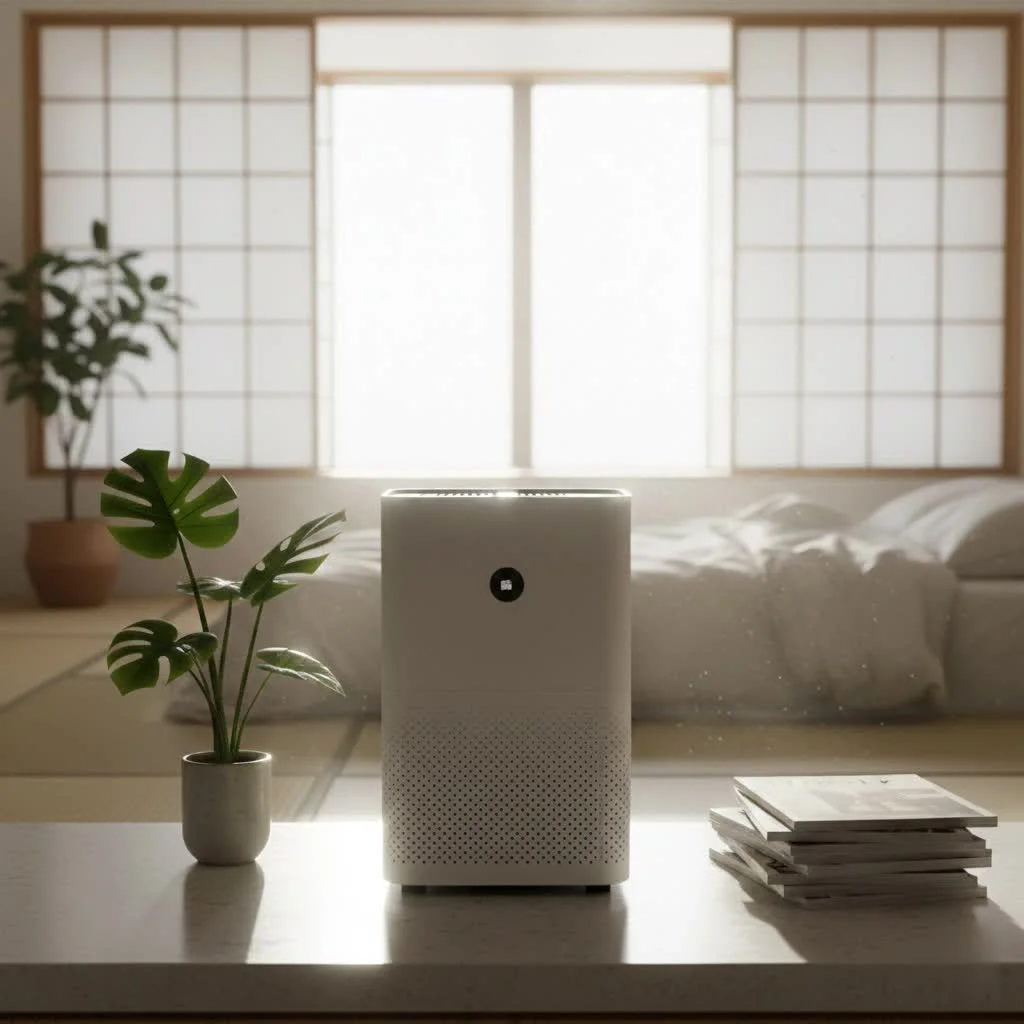
Mold, a pervasive microscopic fungus, thrives in damp, warm, and poorly ventilated spaces. It spreads by releasing tiny spores into the air, which can then settle on surfaces and begin new colonies. These spores are remarkably resilient and can trigger a range of health issues. Many people experience allergic reactions like sneezing, itchy eyes, and a runny nose, while others might suffer from coughing, wheezing, and worsened asthma symptoms. Prolonged exposure can even lead to fatigue and more severe respiratory problems. The challenge often lies in its hidden nature – mold can lurk behind walls, under flooring, or in neglected corners, making detection difficult until a distinctive musty odor or visible growth appears. For see our air purifiers recommendations on this site.
How Air Purifiers Tackle Airborne Mold Spores
So, how exactly does an air purifier come to your rescue when facing mold? Its primary role is to filter and capture the airborne mold spores that cause so many problems. Think of it as your home’s unseen guardian, tirelessly cleaning the air you breathe.
The Power of HEPA Filtration
At the heart of any effective air purifier for mold is a True HEPA filter. This isn’t just any filter; it’s engineered to capture an astounding 99.97% of airborne particles as small as 0.3 microns. Why is this crucial for mold? Mold spores typically range in size from 1 to 40 microns, meaning they are well within the capture capabilities of a True HEPA filter. As air passes through the intricate mesh of fibers, these microscopic spores get trapped, preventing them from circulating and settling elsewhere to grow.
Activated Carbon for Odor Elimination
Mold doesn’t just spread spores; it also produces unpleasant, earthy, or musty odors. This is where an activated carbon filter steps in. Made from highly porous carbon material, these filters are excellent at adsorbing gases, chemicals, and odors, including those distinct mold smells. While the HEPA filter targets the spores, the activated carbon filter ensures your air smells clean and fresh, providing a comprehensive solution.
Beyond HEPA and Carbon: Additional Technologies
|
Our Picks for the Best Air Purifier in 2026
As an Amazon Associate I earn from qualifying purchases.
|
||
| Num | Product | Action |
|---|---|---|
| 1 | Air Purifiers for Bedroom with H14 True HEPA, Quiet Air Cleaner With Sleep Mode Night Light, Small Air Purifier Covers Up to 1200ft², 360° Air Intake, 3 Speeds, Timer, Aroma Function, Black |

|
| 2 | Air Purifiers for Home Large Room, Cover Up to 2400 Ft² with True HEPA Filter, Smart Mode, PM2.5 Air Quality Display, 22dB Sleep Mode, Aromatherapy with 2X-Purification & 360°Air Outlet, HAP603, White |
|
| 3 | Air Purifiers for Home Large Room Cover Up to 1500 Ft² with True HEPA Filter, 20dB Sleep Mode, 360° Air Intake & Outlet, Air Cleaner for Bedroom Pets, 7 Color Light, HAP604, Bright White |
|
| 4 | KNKA Air Purifier for Home Bedroom Large Room Up to 3,500 Ft², HEPA Air Cleaner with Washable Pre-Filter, AHAM VERIFIDE, AQI Display, ECO Mode, Pet Mode for Pets, Allergies, Dust, Pollen, APH4000 |
|
| 5 | LEVOIT Air Purifiers for Bedroom Home Dorm, AHAM VERIFIED, 3-in-1 Filter Claener with Fragrance Sponge, Portable Filters Smoke, Allergens, Pet Dander, Odor, Dust, Office, Desktop, Core Mini-P, White |
|
| 6 | LEVOIT Air Purifiers for Home Large Room Up to 1875 Ft² with Washable Pre-Filter, AHAM VERIFIDE, Air Quality Monitor, HEPA Sleep Mode for Allergies, Pet Hair in Bedroom, Vital 200S-P, White |
|
| 7 | Air Purifiers for Home Large Room up to 2200sq.ft with Washable Filters, EVALIT Air Purifiers for Bedroom with Fragrance, PM 2.5 Display Air Quality Sensor for Smoke Dust Odors, White, 1Pack+3Modes |
|
| 8 | ECOSELF Smart Air Purifier for Home Large Rooms, with WiFi Control, Covers Up to 2400 Ft², Smart Mode, AQI Display, 22dB Sleep Mode & Aromatherapy with 2X-Power Filtration, HAP603WF, White |
|
| 9 | LEVOIT Air Purifier for Home Allergies Pet Hair in Bedroom, Covers Up to 1073 ft² by 56W High Torque Motor, AHAM VERIFIDE, 3-in-1 Filter with HEPA Sleep Mode, Remove Dust Smoke Odor, Core300-P, White |
|
| 10 | LEVOIT Air Purifier for Home Large Room Up to 1073Ft² with Air Quality Monitor, AHAM VERIFIDE, Smart WiFi, Washable Pre-Filter, HEPA Sleep Mode for Pets, Allergies, Dust, Pollen, Vital 100S-P, White |
|
Some air purifiers incorporate additional technologies that can offer further benefits.
- UV-C Light: Certain models feature UV-C (ultraviolet-C) light, which can damage the DNA of airborne microorganisms like mold spores, viruses, and bacteria, inhibiting their ability to reproduce.
- Ionizers: While some purifiers include ionizers to charge particles and make them easier to capture, it’s important to be cautious. Some ionizers can produce ozone, a lung irritant, which is detrimental to indoor air quality. At Rlmex.com, we prioritize ozone-free solutions for your safety.
It’s vital to understand a key limitation: air purifiers do not kill or remove existing mold growth on surfaces. They are designed to address airborne spores. For visible mold growth, manual cleaning and professional remediation are necessary.
Choosing the Right Air Purifier for Mold
Selecting the right air purifier is paramount to effectively combatting airborne mold. With numerous options available, focusing on key features will ensure you make an informed decision.
Essential Features to Look For:
- True HEPA Filter: As we’ve emphasized, this is non-negotiable. Always look for “True HEPA” certification, ensuring it meets the stringent filtration standards for capturing tiny particles, including mold spores.
- Activated Carbon Filter: For dealing with the telltale musty odors of mold, an activated carbon filter is a must-have. A thicker carbon filter generally offers better odor removal.
- Clean Air Delivery Rate (CADR): This rating indicates how quickly the air purifier cleans a room of smoke, dust, and pollen. For effective mold spore removal, choose a model with a CADR appropriate for your room size. A higher CADR means more air changes per hour (ACH), leading to faster and more efficient purification.
- Sealed System: A well-sealed system is crucial to prevent captured spores from escaping back into your environment. You want the air to pass through the filters, not around them.
- Low Noise Operation: If you plan to use your air purifier in bedrooms or living areas, consider its noise level, especially on higher fan settings. Many modern purifiers offer quiet operation modes.
- Filter Maintenance: Check the frequency and cost of filter replacements. Some units have washable pre-filters, while others require complete filter replacement every 6-12 months. Ease of access for filter changes is also a practical consideration.
Our Expert’s Take:
“When selecting an air purifier for mold, think beyond just spore capture,” advises Dr. Elara Vance, a renowned indoor air quality specialist. “The best systems offer a multi-layered defense: robust HEPA for particles, activated carbon for odors, and a design that ensures consistent, quiet operation. But it’s always one piece of the puzzle.”
Models like the Coway Airmega Mighty AP-1512HH or various Levoit Core series purifiers are often highly rated for their comprehensive filtration systems, including True HEPA and activated carbon, making them excellent choices for tackling airborne mold spores and their accompanying odors.
Maximizing Your Air Purifier’s Effectiveness Against Mold
Having the right air purifier is a great start, but how you use and maintain it significantly impacts its performance against mold.
Strategic Placement
Location matters! Place your air purifier in areas prone to dampness and potential mold growth, such as basements, bathrooms, kitchens, and laundry rooms. For optimal airflow, position the unit away from walls and furniture, allowing it to draw in and release air freely. If you have an active mold problem, placing the purifier closer to the affected area (after initial cleanup) can help capture spores more efficiently.
Continuous Operation
To keep airborne mold spores at bay, run your air purifier continuously, 24/7. Mold spores are always present, both indoors and outdoors, and consistent operation ensures the air is constantly being filtered. During periods of high humidity or after activities that generate moisture (like showering or cooking), consider increasing the fan speed to maximize air changes.
Regular Filter Maintenance
This is arguably the most critical aspect of effective mold management with an air purifier. Filters can become saturated with captured mold spores, and if not cleaned or replaced, they can potentially become a breeding ground or reduce the purifier’s efficiency.
- Pre-filters: Wash or vacuum these regularly (monthly) to extend the life of your HEPA filter.
- HEPA and Carbon Filters: Replace these according to the manufacturer’s recommendations, typically every 6-12 months. If you are dealing with a significant mold issue, you might need to replace them more frequently. Always wear a mask and gloves when handling old filters to avoid re-releasing spores.
The Holistic Approach to Mold Prevention and Removal
An air purifier is a powerful tool, but it’s part of a larger strategy. To truly conquer mold, you need a holistic approach that addresses the root causes.
Moisture Control is Key
Mold needs moisture to grow. Eliminating excess humidity is the most effective way to prevent mold.
- Dehumidifiers: Use these in damp areas like basements and bathrooms to maintain indoor humidity levels between 30% and 50%. A hygrometer can help you monitor this.
- Fix Leaks Promptly: Repair any leaky pipes, roofs, or windows immediately.
- Ventilation: Ensure good ventilation in bathrooms, kitchens, and laundry rooms. Use exhaust fans during and after showers or cooking. Open windows when possible to encourage airflow.
Manual Cleaning and Remediation
For visible mold growth on surfaces, manual cleaning is essential.
- Small Areas: For non-porous surfaces, a solution of bleach and water (1 cup bleach to 1 gallon of water) can be effective. For more delicate surfaces, white vinegar or a mixture of water and soap can work. Always test any cleaning solution on an inconspicuous spot first.
- Large or Hidden Infestations: If mold covers an area larger than 10 square feet, or if you suspect mold behind walls or within HVAC systems, it’s best to call a professional mold remediation service. They have the expertise and equipment to safely remove mold and address underlying issues. an air purifier can’t remove mold already embedded in materials.
Frequently Asked Questions About Air Purifiers and Mold
Q1: Can an air purifier completely eliminate mold from my home?
No, an air purifier cannot completely eliminate mold from your home. It effectively removes airborne mold spores, preventing their spread and reducing exposure, but it cannot remove existing mold growing on surfaces or address the underlying moisture issues that cause mold.
Q2: How quickly can an air purifier reduce mold spores in the air?
The time it takes depends on the air purifier’s CADR (Clean Air Delivery Rate) and the room size. Generally, a good air purifier can significantly reduce airborne mold spores within 30 minutes to a few hours of continuous operation in a properly sized room.
Q3: What type of filter is best for capturing mold spores?
A True HEPA filter is the best for capturing mold spores. These filters are certified to trap 99.97% of particles as small as 0.3 microns, and mold spores fall within this size range.
Q4: Should I use a dehumidifier or an air purifier for mold?
Both are crucial for comprehensive mold control. A dehumidifier prevents mold growth by reducing moisture, while an air purifier removes airborne mold spores. Using them together offers the best defense.
Q5: How often should I replace my air purifier filter when dealing with mold?
It’s generally recommended to replace HEPA and activated carbon filters every 6-12 months. However, if you have an active mold problem or live in a very humid environment, you may need to replace them more frequently to maintain optimal performance and prevent the filter itself from becoming a source of growth.
Conclusion
Living in a mold-free environment is essential for your health and comfort, and an air purifier plays a vital role in achieving that. By understanding how these devices work—primarily through the incredible efficiency of True HEPA filters and the odor-absorbing power of activated carbon—you can significantly reduce airborne mold spores in your home.
However, that an air purifier is a tool in a broader strategy. Effective mold management always involves controlling moisture, addressing any existing growth through cleaning or professional remediation, and maintaining proper ventilation. Combining these practices with the consistent use of a high-quality air purifier will empower you to create a cleaner, safer, and healthier indoor air environment for you and your loved ones. Take control of your air quality today and breathe easier tomorrow.
Frequently Asked Questions
Can an air purifier completely eliminate mold from my home?
No, an air purifier cannot completely eliminate mold from your home. It effectively removes airborne mold spores, preventing their spread and reducing exposure, but it cannot remove existing mold growing on surfaces or address the underlying moisture issues that cause mold.
How quickly can an air purifier reduce mold spores in the air?
The time it takes depends on the air purifier's CADR (Clean Air Delivery Rate) and the room size. Generally, a good air purifier can significantly reduce airborne mold spores within 30 minutes to a few hours of continuous operation in a properly sized room.
What type of filter is best for capturing mold spores?
A True HEPA filter is the best for capturing mold spores. These filters are certified to trap 99.97% of particles as small as 0.3 microns, and mold spores fall within this size range.
Should I use a dehumidifier or an air purifier for mold?
Both are crucial for comprehensive mold control. A dehumidifier prevents mold growth by reducing moisture, while an air purifier removes airborne mold spores. Using them together offers the best defense, maintaining indoor humidity between 30% and 50%.
How often should I replace my air purifier filter when dealing with mold?
It's generally recommended to replace HEPA and activated carbon filters every 6-12 months. However, if you have an active mold problem or live in a very humid environment, you may need to replace them more frequently to maintain optimal performance and prevent the filter itself from becoming a source of growth.
Get our weekly buyer guide
Practical specs, not advice. Unsubscribe anytime.
This guide was really helpful in understanding that an air purifier won’t get rid of mold on surfaces, but it’s great for the spores. I’ve had some allergy issues, especially in the mornings, and I suspected mold might be a factor. Since getting a purifier for my bedroom, my itchy eyes have definitely improved. It’s a good tool to have.
I’ve been dealing with a persistent musty smell in my basement, and after reading about how air purifiers can help with airborne mold spores, I decided to try one. I got a model with a True HEPA filter, and the difference is noticeable. The air feels much fresher, and I’m not sneezing as much. It’s a great addition to my moisture control efforts.
I bought an air purifier specifically because I was worried about mold spores after a small leak. While it does seem to help with the general air quality, I was a bit disappointed that it doesn’t eliminate existing mold growth. I still had to do a lot of scrubbing. It’s good for prevention, but don’t expect it to be a magic bullet for visible mold.
Living in a humid climate, mold is always a concern. I appreciated the detail about how mold spores range from 1 to 40 microns and how effective True HEPA filters are at capturing them. I’ve had my air purifier running constantly, and I feel much better knowing it’s actively reducing those airborne particles. My home just feels cleaner.